
Delft University of Technology
-
 If you were afflicted with a balance disorder, would you rather use a walker or simply wear a backpack? Dutch scientists have developed a special version of the latter, which utilizes two gyroscopes to keep its wearer standing straight and stable.
 -
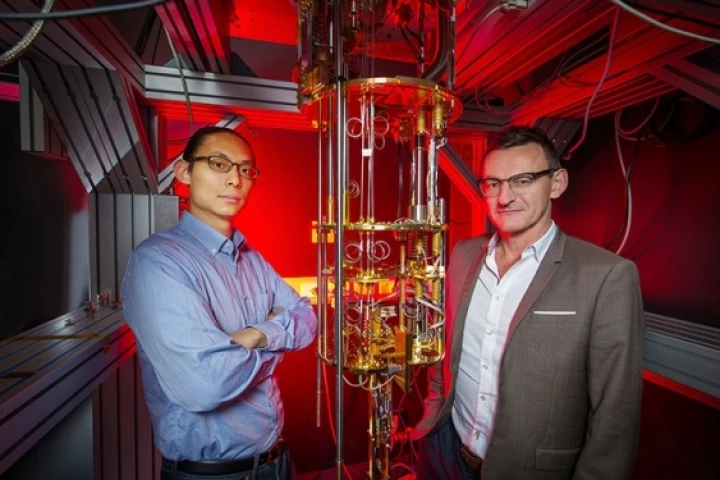 Current-gen quantum computing "qubits" need to be kept incredibly cold – below 0.1 Kelvin (-273.05 °C/-459.5 °F). But new "hot qubits" developed at UNSW can work 15 times hotter, opening the door to radically smaller, cheaper quantum computers.
 -
 In a quantum network, information is passed instantly between nodes that have been entangled, and are unhackable since any unauthorized observation of the data will scramble it. Delft scientists have now overcome a hurdle to that technology, by generating quantum links faster than they deteriorate.
 -
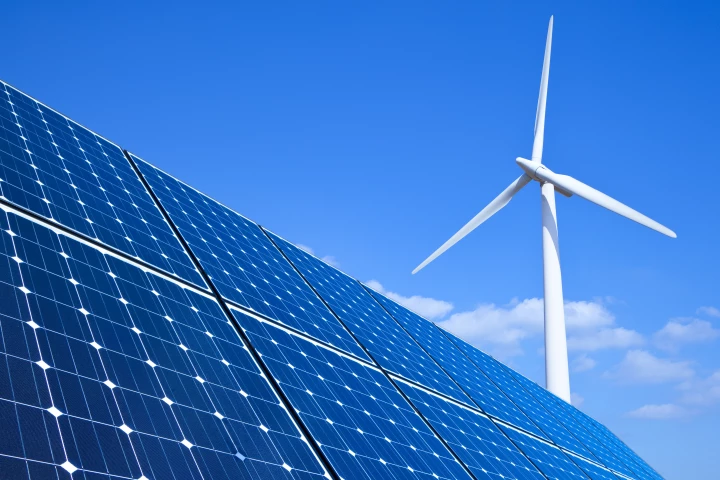 Could renewable sources meet 100 percent of our energy demand? Yes, according to new research which scrutinises the arguments against. “There are no roadblocks on the way to a 100-percent renewable future,” the research finds.
 -
 Delft University's Nuon Solar Team has won the Challenger class of the World Solar Challenge. Its solar-powered Nuna 7 vehicle arrived in Adelaide at 10:03 a.m. on the morning of the fifth day of the event, crossing Australia from north coast to south in a total of a little over 33 hours.
 -
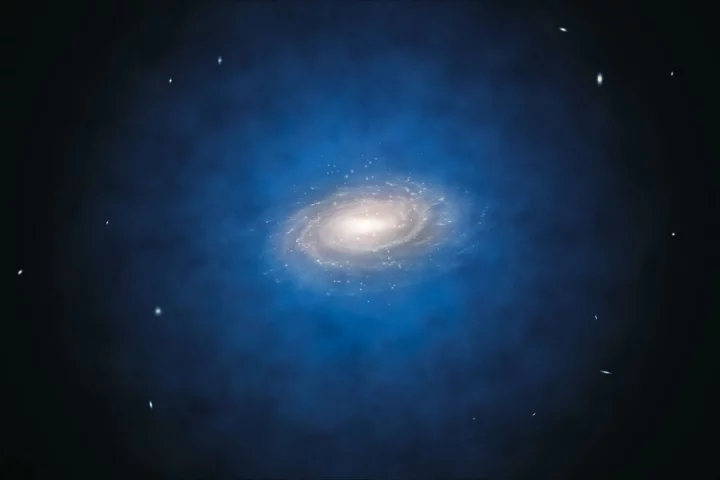 Physicists at the Delft University of Technology, Netherlands, have detective the elusive Majorana fermion.
 -
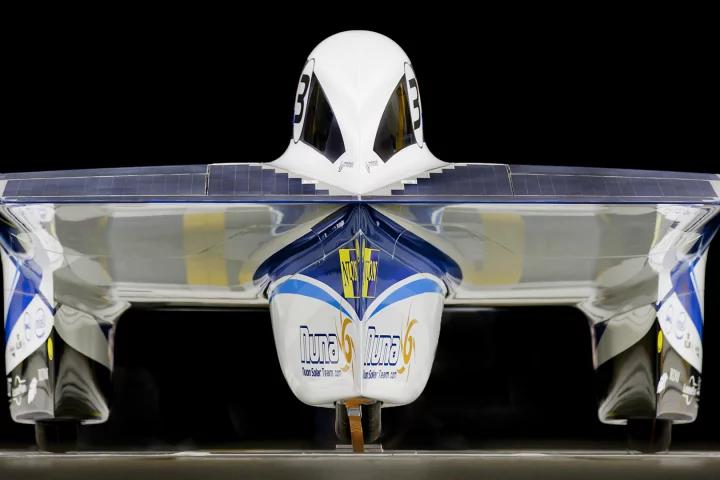 The Nuon Solar Team has revealed its lightest solar powered vehicle yet.
 -
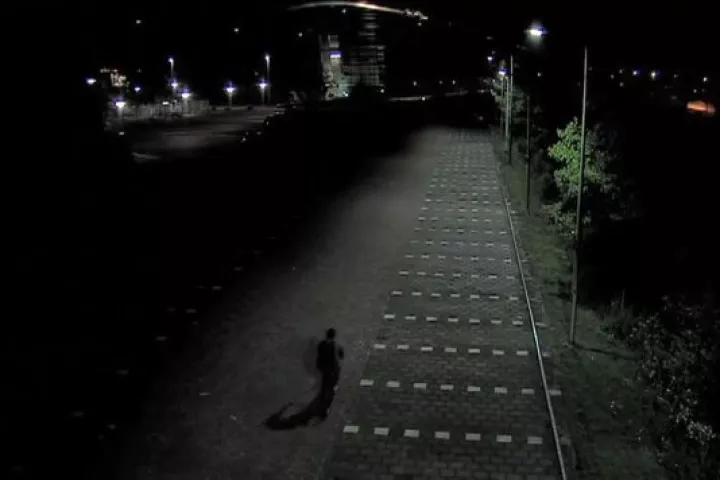 An experimental energy-saving streetlight system automatically dims the lights when no people or moving vehicles are in the area.