
Deep Learning
-
 It would be an understatement to say that things can get pretty hectic in a hospital emergency room … enough so that staff occasionally administer the wrong medication. Soon, however, AI-enabled wearable cameras could help keep that from happening.
 -
 Trained on simple heart rate data, an AI model can predict an episode of atrial fibrillation 30 minutes in advance. With plans to incorporate it into a smartphone so it can analyze data from a smartwatch, the model would act as an early warning system.
 -
 Researchers developed an AI algorithm that automatically analyzes chest X-rays to rapidly detect COVID-19 infection with more than 98% accuracy, distinguishing between normal X-rays and X-rays from people with viral pneumonia.
 -
 Researchers have used AI to screen photographs of children’s retinas to diagnose autism with 100% accuracy. The findings suggest AI is a viable screening tool for early diagnosis, especially when access to a specialist child psychiatrist is limited.
 -
 In what will soon be commonplace in drug research, scientists have used an artificial-intelligence algorithmic program to identify a compound, currently used in antimalarial treatment, that can effectively reverse the bone deterioration of osteoporosis.
 -
 Using a deep-learning AI model, researchers have turned the humble chest X-ray into a more powerful tool for diagnosing heart problems. They say their novel approach could be used as a quick and accurate way of assessing heart function.
 -
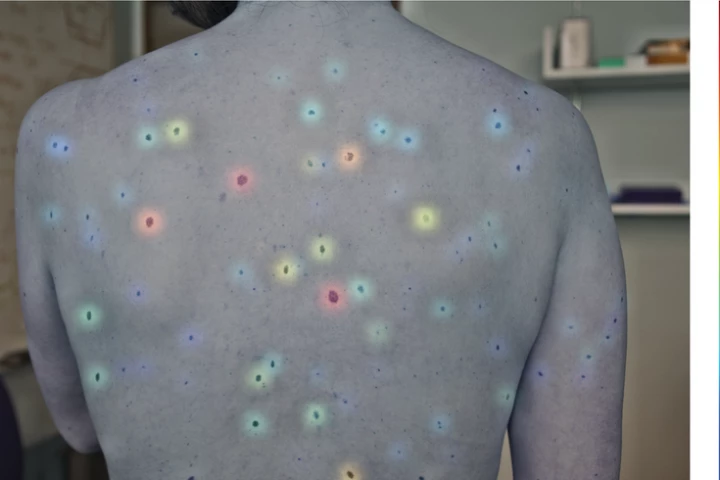 Using AI to spot melanoma in its early stages is an exciting possibility, and a new deep-learning system developed by Harvard and MIT scientists promises a new level of sophistication, by using a method known as the “ugly duckling” criteria.
 -
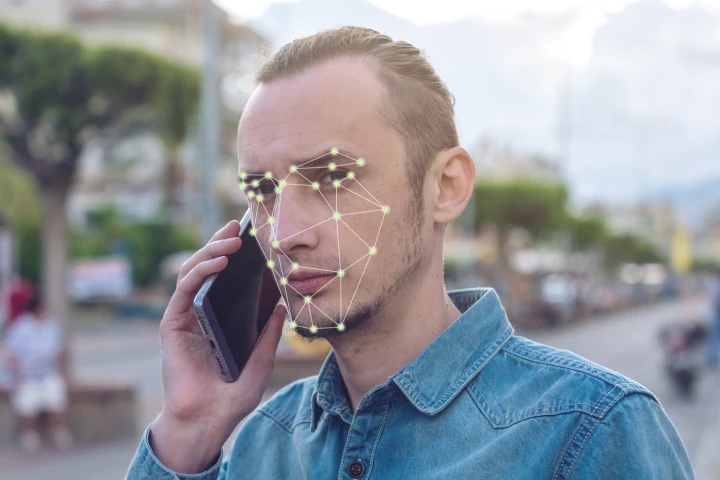 A new algorithm has been developed to detect coronary artery disease solely from patient facial photos. The algorithm needs more refinement but experts suggest there are ethical considerations to resolve before a system like this can be deployed.
 -
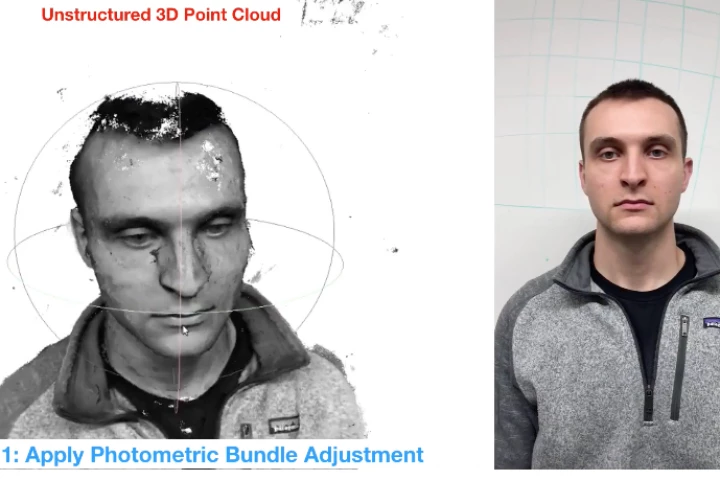 Ordinarily, if you want to create a lifelike 3D digital model of someone's face, a 3D scanner and/or multiple cameras are required. Now, however, scientists from Carnegie Mellon University have created a system that lets a smartphone do the job.
 -
 When a doctor prescribes a patient more than one drug they have no way to predict whether that combination will have an adverse side effect. A new system from Stanford University presents a novel solution – an AI-driven computer system than can predict the consequences of combining two drugs.
 -
 It seems we can add medical imaging to the list of fields about to be revolutionized by deep learning computers. A Chinese startup has revealed that its intelligent assisted diagnosis software for X-Ray and CT scans has already looked at over 200,000 scans in trials at 20 hospitals around China.