
Deaf
-
 Genetic studies have revealed that when male mosquitoes lose their hearing, they also lose their sex lives. The surprising discovery could lead to new ways to reduce mosquito populations and the diseases they spread.
 -
 While cochlear implants do allow some deaf people to hear, they also incorporate potentially problematic external components located on the side of the head. That could soon change, however, thanks to an experimental new implantable microphone.
 -
 Combining magnetic properties relied on in traditional Chinese medicine with contemporary knowledge about the gut microbiome, researchers have developed a novel oral treatment to prevent and repair hearing loss caused by noise exposure.
 -
 A breakthrough clinical trial using gene therapy has restored hearing to five children born deaf. After six months, the children were able to recognize speech and hold conversations, raising hopes for wider use in the near future.
 -
 A genetic mutation that triggers a 'molecular domino effect' causing hearing loss mirrors the same kind of noise- and age-related damage. Inhibiting a single molecular response has the potential to protect all ears from a common form of hearing loss.
 -
 Scientists studying the mechanisms behind deafness have pinpointed a single gene they described as a type of master switch for cell differentiation, opening up exciting new possibilities around restoration of hearing.
 -
 Although cochlear implants do allow some deaf people to hear again, adjusting the devices to individual users can be challenging. An experimental new implant is designed to help in that regard, by reading the user's brain waves.
 -
 A landmark study is offering evidence to suggest age-related hearing loss is primarily caused by accumulated damage to inner ear sensory hair cells, and hair-regeneration technologies may offer new treatments to restore hearing loss in old age.
 -
 Hearing aids can have trouble separating a voice a listener wants to hear from all the background noise. Through a new form of artificial intelligence scientists believe they have come up with a solution that could be of huge benefit to those with hearing impairments.
 -
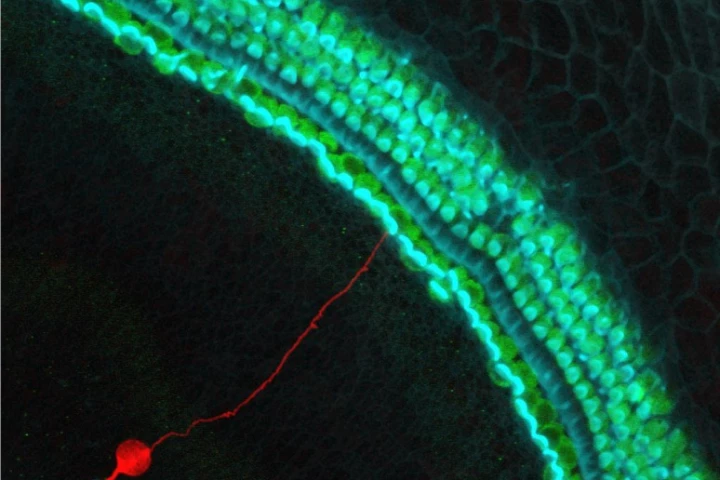 A new study has demonstrated an exciting new gene therapy treatment that stimulates inner ear stem cells into becoming auditory neurons. The technique could potentially reverse hearing loss in many people, but the researchers urge caution as there could be major side effects.
 -
 Meniere’s disease is a debilitating condition, causing severe dizzy spells. While there is a treatment, it can cause permanent loss of hearing. Now, however, it turns out that a steroid injection to the affected inner ear may be just as effective, but without any side effects.