
Data Storage
-
 The ice that makes up glaciers isn't 100% solid – it's actually full of air bubbles, some of which formed centuries ago. Inspired by this fact, scientists have developed a method of using bubbles to store coded data in ice.
 -
 Scientists have developed a new way to tap into the incredible data storage density of DNA in a more scalable way. A “biological camera” imprints images into the DNA of living cells, tagged with barcodes to retrieve data.
 -
 Future data centers might switch to a storage medium that nature has been using for billions of years – DNA. In a major step towards making that a reality, scientists have created a new system of reading and organizing files using microcapsules.
 -
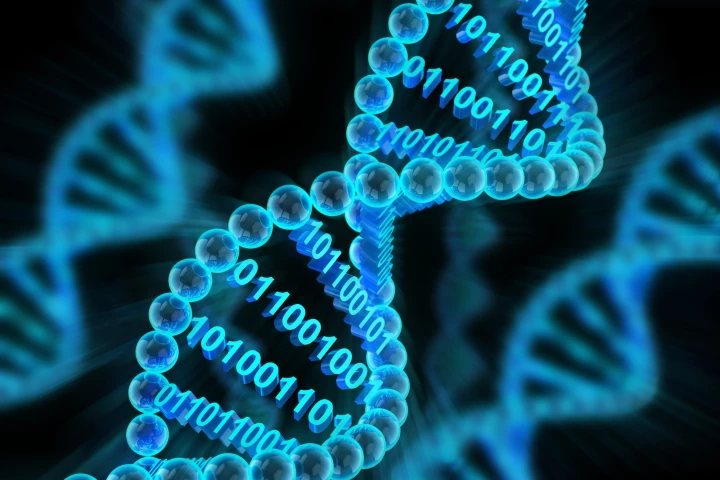 DNA is a promising data storage medium, but it’s difficult to retrieve and manipulate data written to it. Now a team has developed “chemical neurons” that can conduct calculations on data stored in DNA and read back the answers easily.
 -
 Forget invisible ink – future spies could be sending secret messages encoded directly into the DNA of living cells. Researchers have demonstrated a DNA Typewriter by encoding full sentences into DNA, which may also function as a cellular “black box.”
 -
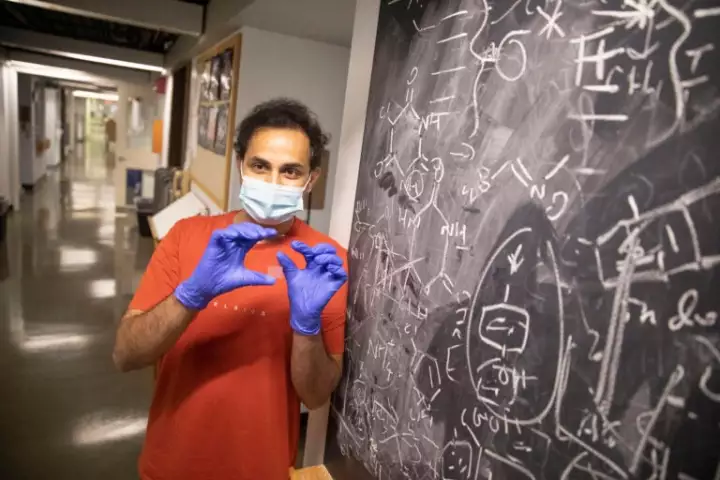 Digital data storage is far from permanent. The data on your hard drive or flash drive probably won't last more than a few decades, but Harvard researchers have created what they say is a much longer-term alternative using spots of glowing dye.
 -
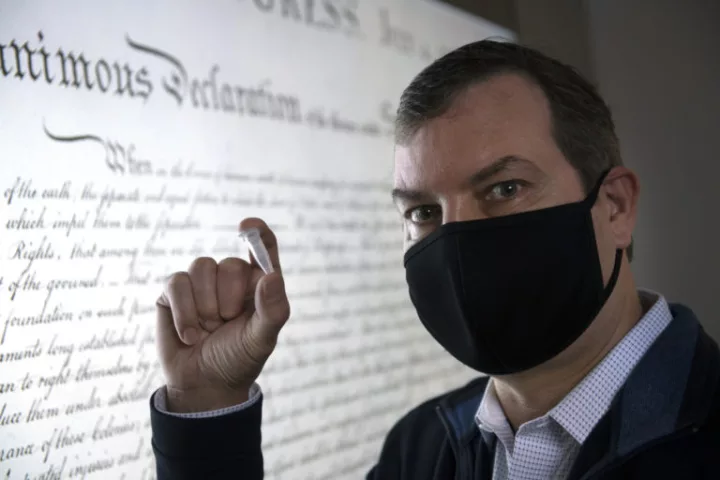 A team of researchers led by professor of pharmaceutical sciences John Chaputa at the University of California, Irvine, are developing methods for storing vast amounts of data on strands of synthetic DNA that are tougher than natural DNA.
 -
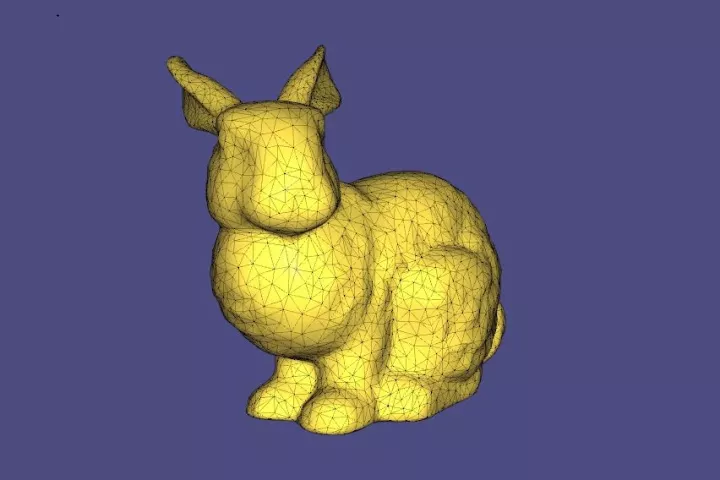 Researchers from ETH Zurich have created 3D rabbit models embedded with synthetic DNA that contained their own blueprints. That allows them to effectively "clone" the models, printing copies by clipping small pieces off the original.
 -
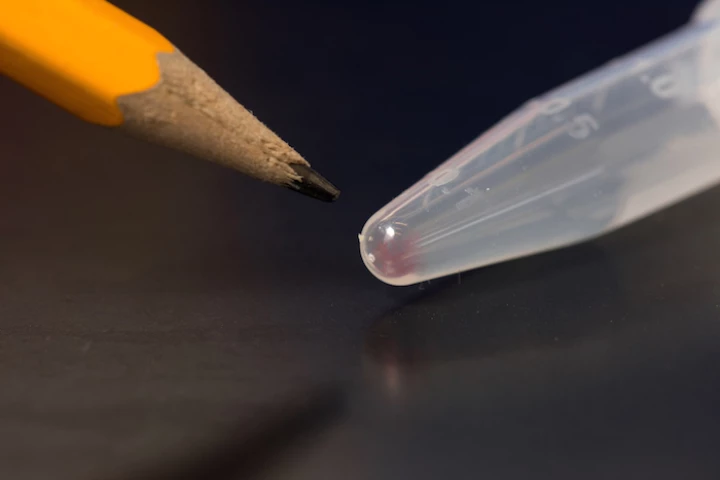 A team made up of researchers from Microsoft and the University of Washington has broken a new record for DNA data storage, managing to store and retrieve 200 MB of data on strands of DNA.
 -
 Researchers have recorded the world's first optically encoded audio onto a plasmonic film substrate the size of human hair that has a capacity over five-and-a-half thousand times greater than conventional analog magnetic recording media.
 -
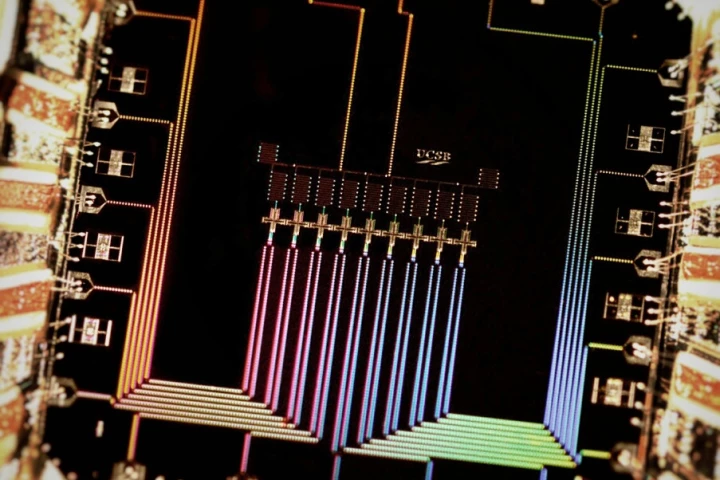 Physicists working at the University of California Santa Barbara (UC Santa Barbara) claim to have created breakthrough circuitry that continuously self-checks for inaccuracies to maintain the error-free status of the quantum memory and may help accelerate the development of quantum computers.
 -
 For those who didn't know that physicists are really frustrated Pixar animators, it will be surprising to learn that scientists at IBM Almaden in California have produced the world’s smallest animated movie.
Load More