
Data
-
 A new study from Caltech calculates that our brains process information at the extremely slow speed of just 10 bits per second. This leisurely pace may have long evolutionary roots, despite our sensory systems gathering data 100 million times faster.
 -
 NASA’s Psyche spacecraft, farther away than the Sun, has sent data through a laser over a record-breaking distance, and done so even faster than expected. The breakthrough could help establish high-speed communications with human colonies on Mars.
 -
 UFOs are having a renaissance lately, moving beyond the tinfoil-hatted crowd and into the realm of serious government investigation. Now a study has analyzed the geography of almost 100,000 sightings and found a few clues about how they cluster.
 -
 With 2023 drawing to a close, it's once again time to look at the significant, intriguing, and sometimes just plain daft science stories of the year. So, let's dive in and see what the science types have been up to.
 -
 Implants and tiny machines could eventually help treat disease or monitor activity, but communication is tricky. Now scientists at EPFL have developed a system whereby devices can communicate by releasing molecules into a patient’s bloodstream.
 -
 Scientists have developed a new way to tap into the incredible data storage density of DNA in a more scalable way. A “biological camera” imprints images into the DNA of living cells, tagged with barcodes to retrieve data.
 -
 It’s not just you – it has been hot lately. According to preliminary reports of global average temperatures, last week was the hottest week on record, with the record for hottest day broken several times in a row.
 -
 Terran Orbit has demonstrated a record-breaking 200-gigabit orbital data link that finally allows high-bandwidth data transfer from space to Earth. It'll replace antique, low-bandwidth X-band radio technology that's currently a critical bottleneck.
 -
 Future data centers might switch to a storage medium that nature has been using for billions of years – DNA. In a major step towards making that a reality, scientists have created a new system of reading and organizing files using microcapsules.
 -
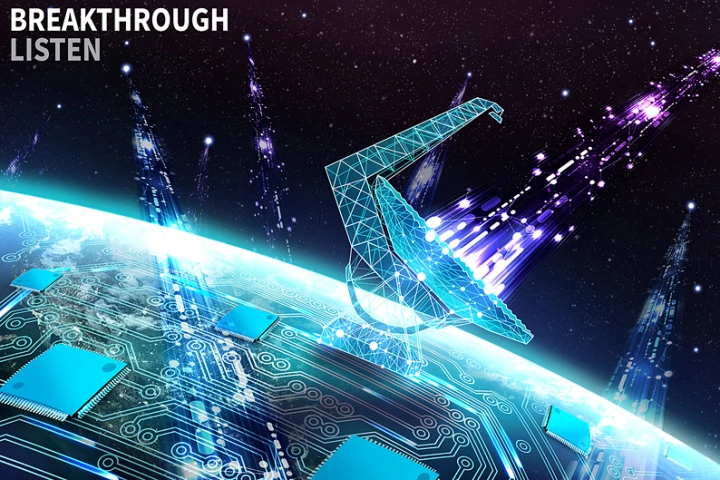 The chances are incredibly small that Earth is the only planet with life. A new AI system has scoured millions of radio signals from space to identify any with potential artificial origins – and discovered eight signals that look intriguingly alien.
 -
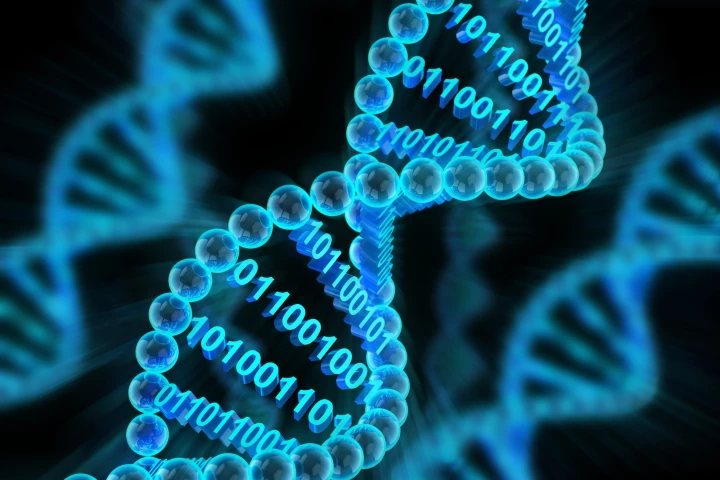 DNA is a promising data storage medium, but it’s difficult to retrieve and manipulate data written to it. Now a team has developed “chemical neurons” that can conduct calculations on data stored in DNA and read back the answers easily.
 -
 For the first time in 30 years, new terms have been officially added to the International System of Units. The four new prefixes – ronna, quetta, ronto and quecto – describe very large and very small numbers that until now didn’t have their own names
Load More