
Cyanobacteria
-
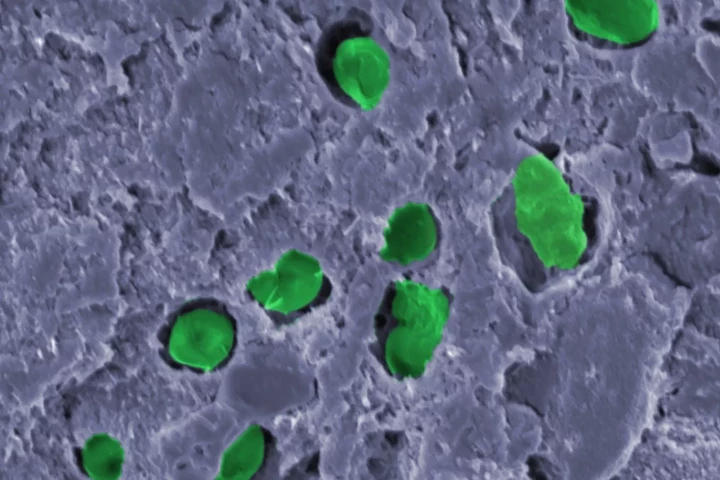 Researchers have created a paint containing living cyanobacteria that produces oxygen and can capture carbon dioxide. The bacteria’s ability to withstand extreme environments means the paint could even be used in outer space.
 -
 We often hear of cyanobacteria as being the cause of toxic algae blooms in lakes. Soon, however, a 3D-printed material that incorporates the microbes may be used to purify polluted water – and after the bacteria are finished, they'll kill themselves.
 -
 A study has found that glitter negatively affects the growth of cyanobacteria, an important player in aquatic ecosystems and a key component of marine food webs, highlighting the importance of reining in the use of this stealthy microplastic.
 -
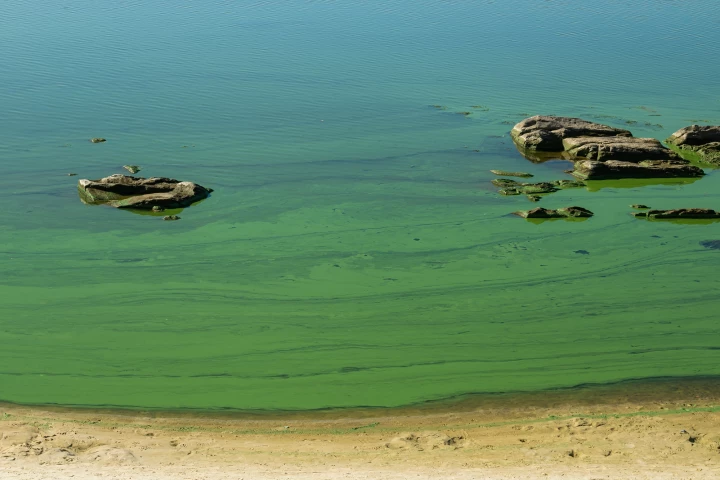 Commonly known as blue-green algae, toxic cyanobacteria can harm humans and wildlife alike when their populations soar in lakes or rivers. A newly developed sponge, however, could soon help bring such harmful algal blooms under control.
 -
 Nitrogen is a vital nutrient for plants, but they can't pull it out of the air, hence the need for artificial fertilizer. But now, researchers have engineered bacteria that can efficiently suck nitrogen out of the air, and the long-term goal is to develop crops that can do the same.
 -
 German researchers have created a bio-based solar cell capable of generating a continuous electrical current of several nanowatts per sq cm. The new approach, avoids damage to the tapped photosynthetic cells, an issue that has plagued previous attempts to harness nature's "power plant."
 -
 Scientists discover addition of plant protein boosts hydrogen production by photocatalyst.
 -
 Australian researchers are working on a method of controlling blue-green algae using ultrasound.
 -
 A new biosensor paper infused with carbon nanotubes has been developed that can quickly and inexpensively detect a toxin produced by algae in drinking water.