
Coral Bleaching
-
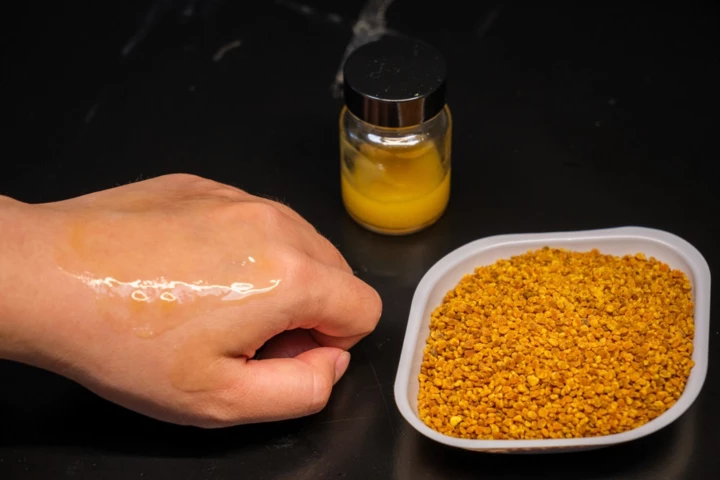 Minerals like titanium dioxide are effective sunscreen ingredients, but they can harm coral reefs if used in their non-nanoparticle form. An experimental new sunscreen forgoes the minerals altogether, replacing them with "just-as-effective" pollen.
 -
 Scientists have found a bacteria related to the human chlamydia pathogen in the corals of Australia's Great Barrier Reef – and hope it could lead to game-changing probiotic treatments designed to slow down or reverse the process of coral bleaching.
 -
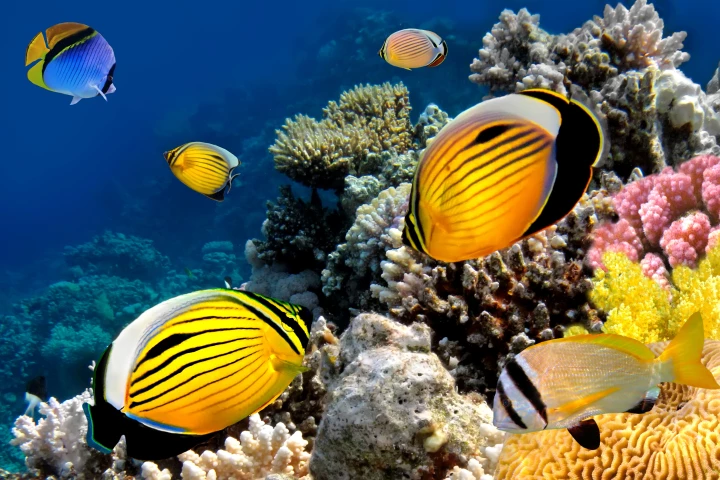 Scientists have discovered that the feces of coral-biting fish is brimming with beneficial symbionts. If scientists could get stressed-out coral to take them on board, essentially a 'poop transplant,' it may help reverse some forms of coral bleaching.
 -
 If corals are going to survive on today's ecologically stressed reefs, they've gotta be tough. Scientists have therefore been developing a special "turbo-charged" coral, which has recently been found to be reproducing on the Great Barrier Reef.
 -
 Scientists have demonstrated a new way we may be able to limit damage to the world's coral reefs, by taking coral species that have already survived severe heat stress and transplanting them to degraded reefs to sow the seeds for restoration.
 -
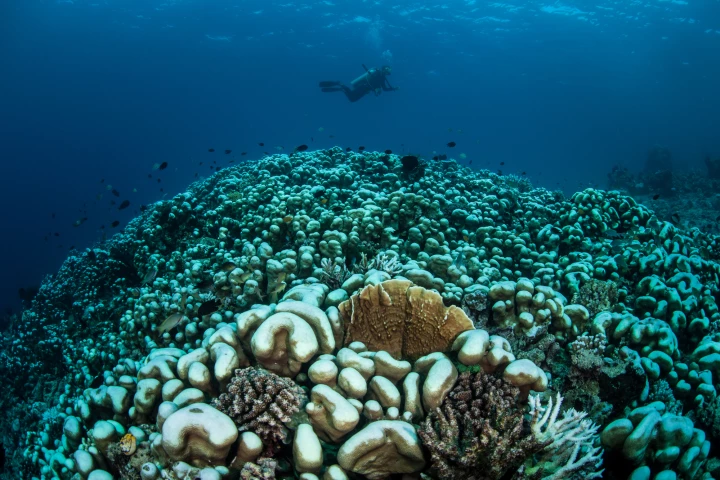 An international team of researchers has made a discovery that could prove useful to the efforts to preserve the world's coral reefs, using the CRISPR/Cas9 gene editing tool to identify a key gene that regulates their response to heat stress.
 -
 Coral bleaching occurs when corals are stressed by high water temperatures and other factors, causing them to expel the symbiotic algae living within them. Given that fact, scientists are now looking into saving reefs by pumping up cool water from the ocean's depths.
 -
 It's no secret that the world's coral reefs are dying off at an alarming rate. In order to encourage the growth of the coral that remains, scientists from the University of Hong Kong have developed what are known as "reef tiles."
 -
 Among the potential solutions to coral bleaching and death is the idea of developing new types of coral that are more resistant to heat, and researchers in Australia are reporting new success in this area using a technique called directed evolution.
 -
 That Australia’s Great Barrier Reef is in serious trouble is no longer subject to debate, but the best way to deal with the problem very much is. The latest idea to emerge involves robots playing the role of "the stork" and distributing coral larvae across the Reef to promote new growth
 -
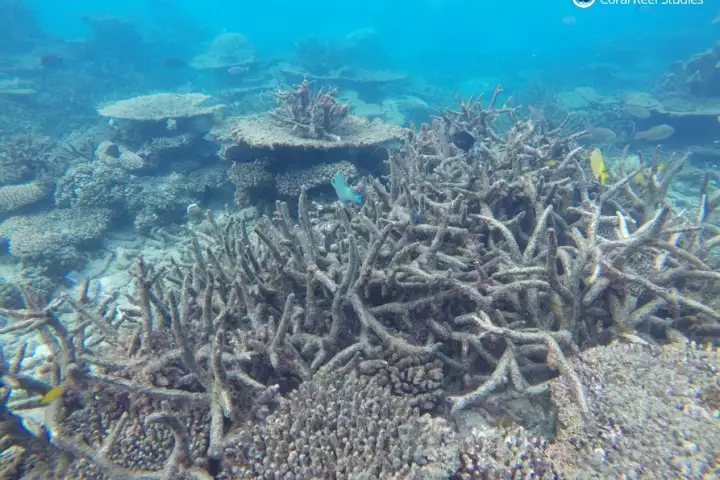 As the fate of the Great Barrier Reef remains uncertain, a new study has examined the health of the reef over the last 30,000 years, and found that it has suffered five “death events” in the past – but its current woes could be the last straw.
 -
 We've recently seen a number of proposals for protecting coral reefs from the dangers of climate change, and now it turns out that corals already have a self-defense mechanism. They can release aerosols into the atmosphere to create a protective "cloud umbrella."
Load More