
Copernicus
-
 Earth saw its hottest day on record this week – twice. According to the Copernicus Climate Change Service data, Sunday claimed the top spot for highest global average temperature since the records began in 1940, only to be broken again on Monday.
 -
 Independent analyses by NASA, NOAA, WMO, Copernicus and the UK Met Office have all confirmed that 2023 was officially the hottest year on record. A slew of other records were also broken amidst a string of severe weather events across the globe.
 -
It’s not just you – it has been hot lately. According to preliminary reports of global average temperatures, last week was the hottest week on record, with the record for hottest day broken several times in a row.
-
 The environmental impacts of iceberg A-68 are still being assessed. A new study has calculated that the largest chunk, A-68A, released billions of tonnes of freshwater into the sea near a marine nature reserve, with untold effects on the ecosystem.
 -
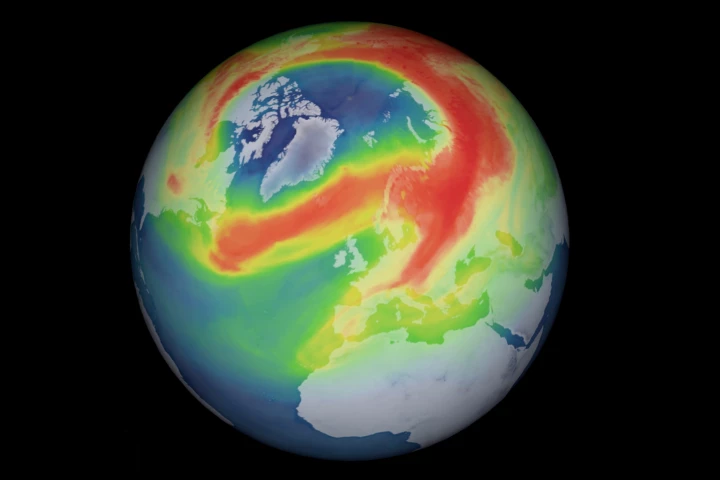 Although a hole in the ozone layer might sound like a retro environmental issue, it’s still a problem today. While it's usually over Antarctica, scientists have now spotted the biggest ozone layer hole in at least 25 years forming over the Arctic.
 -
 On April 15, just days after Copernicus' Sentinal-1 sent its first images back to earth, the Copernicus Masters opened its application process for its 4th annual competition that recognizes outstanding ideas, applications, and business concepts based on Earth observation data.