
Cooling
-
 Among the many problems posed by the rapid proliferation of data centers is the strain on local water supplies. Google says it's building a better data center that won't require water to keep its servers and computing equipment cool.
 -
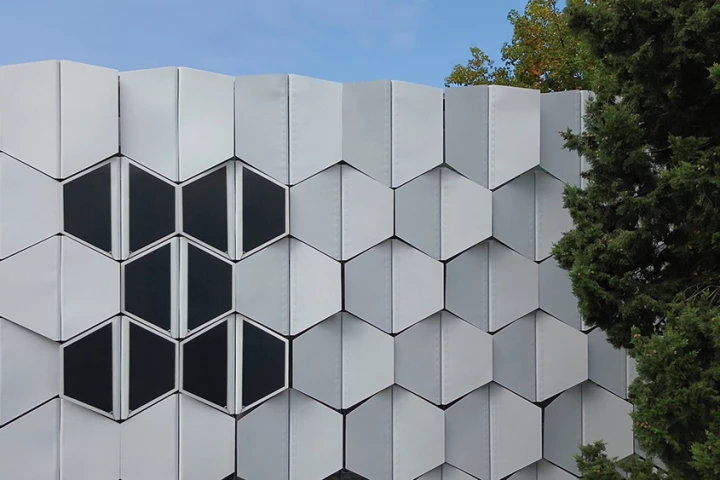 Nobody likes buildings that are too hot in the summer or too cold in the winter. That's where the FlectoLine facade comes in, as it uses two bio-inspired mechanisms to regulate how much solar thermal energy gets through a building's windows.
 -
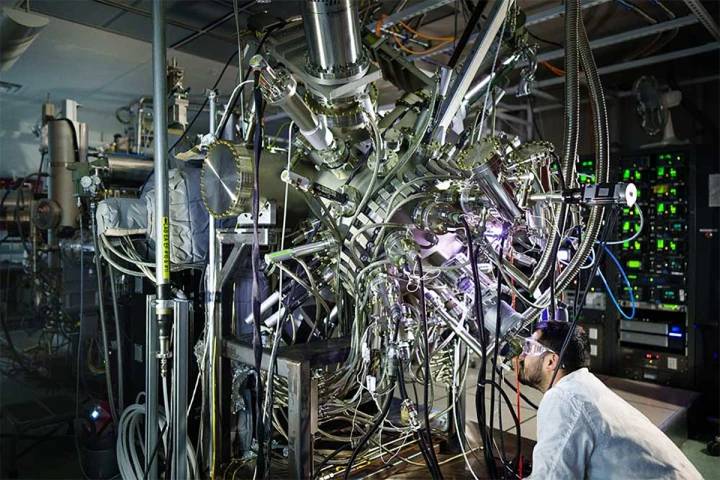 Under specific conditions, lasers can cool things down – and that might just be what we need to tackle way-too-toasty data centers. A new technology called laser-based photonic cooling can target tiny hotspots on chips to zap heat away.
 -
 Although sunscreen does help protect our skin from the sun's harmful UV rays, it isn't designed to keep that skin cool. An experimental new sunscreen does that very thing, however, while maintaining an SPF rating of about 50.
 -
 Although hot tubs may get all the glory, cold-plunge tubs are the ones that really help reduce muscle inflammation and soreness. The Snowcap tub makes that process more doable than ever, by chilling water without using any ice or refrigerants.
 -
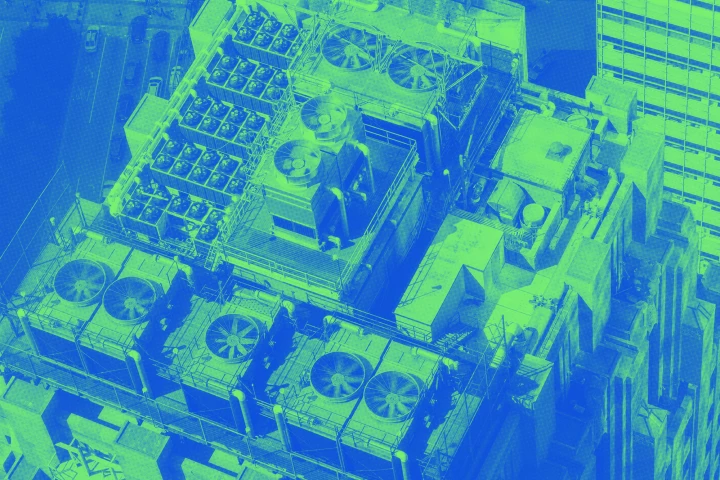 We're caught in a vicious circle of facing increasing temperatures across the planet, and combating that with air conditioning – which in turn causes global warming. A problem worth throwing a whole lot of science at, if there ever was one.
 -
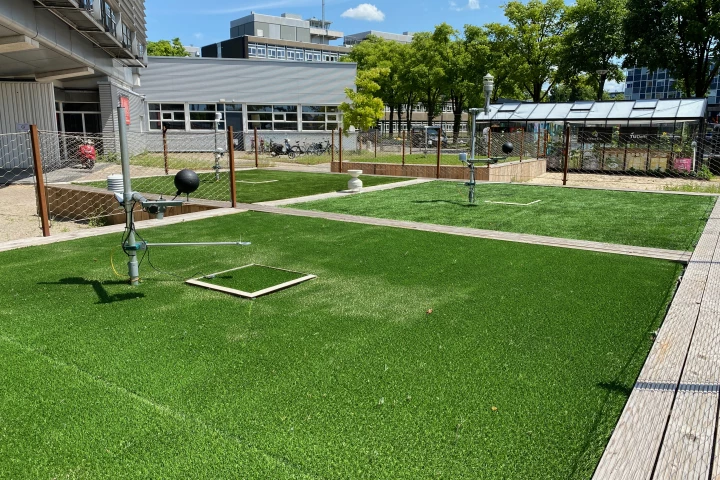 Artificial-turf sports fields may be more durable than those covered in grass, but they also get very hot during warm weather. Scientists have devised a method of cooling them – and the cities they're in – using rainwater stored beneath the turf.
 -
 Researchers have found a surprisingly simple way to build cryogenic coolers that reach near-absolute zero up to 3.5 times faster, or using about 71% less energy, than current gear. That's big news for anything requiring seriously low temperatures.
 -
 Temperatures around the world are on the rise, with 2023 recently confirmed as the hottest since records began. A new study has found that bringing nature into cities could help lower temperatures during heatwaves.
 -
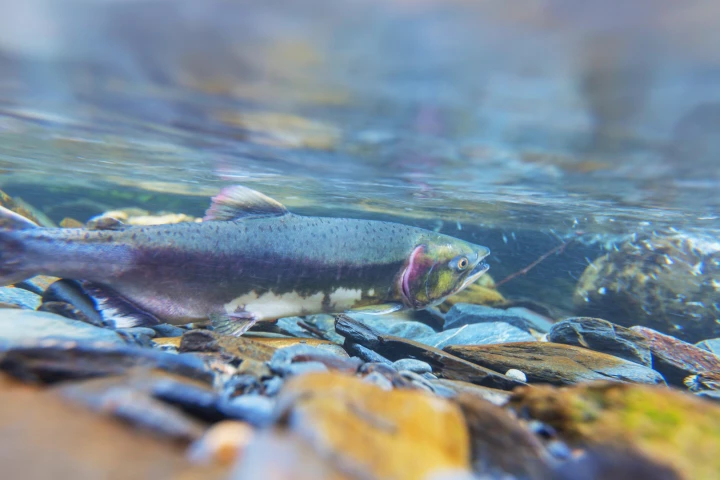 Salmon are very much a cold-water fish, so they can get quite stressed when swimming up increasingly warm rivers to spawn. A new study shows that by installing "cooling stations" in those rivers, we could help the threatened fish make the trip.
 -
 The desert-dwelling Namaqua chameleon has a pretty neat trick – it changes skin color to stay cool when outdoor temperatures rise, and stay warm when they drop. An experimental new coating could one day do the same thing for our homes.
 -
 You may have heard of electrochromic windows that can be electronically switched between clear and tinted states. Well, the same technology has been applied to a new material that could both heat and cool buildings, if mounted on their outside walls.
Load More