
Construction
-
 If you're chionoandrophobic, we recommend looking away now. Standing 62 ft tall, 46 ft long and 36 ft wide, 2025's largest snowman has been erected in China. The smiling icy monster required 124,000 cubic feet of snow, and has become an instant hit.
 -
 Although discarded printer cartridges may be low on toner, they still do contain some toner which can't simply be reused in its present form. Instead, Canon has started recycling it into a pelletized asphalt colorant and binding agent.
 -
 Scientists at RMIT University are continually coming up with ways to work recovered waste items into high-performing road materials. The latest is made with help from shredded face masks and they claim it offers some unique engineering advantages.
 -
 The 6 trillion cigarettes produced every year generate over 1.2 million tonnes of toxic butt litter in the environment. Now, researchers at RMIT University in Australia have found a new way to safely dispose of cigarette butts: seal them up inside roads and paths.
 -
 Construction has finally begun on the European Extremely Large Telescope (E-ELT), with the first stone laid in a ceremony last week. Being built by the ESO on the 3,046 m (9,993 ft) high summit of Cerro Armazones in Chile, the E-ELT is set to be the world’s largest optical and infrared telescope.
 -
 The UK's Crossrail project is said to be Europe's largest construction project. What's more, the earth excavated to construct its tunnels is being used to develop one of Europe's largest nature reserves. Wallasea Island in Essex has recently received its final shipment of Crossrail earth.
 -
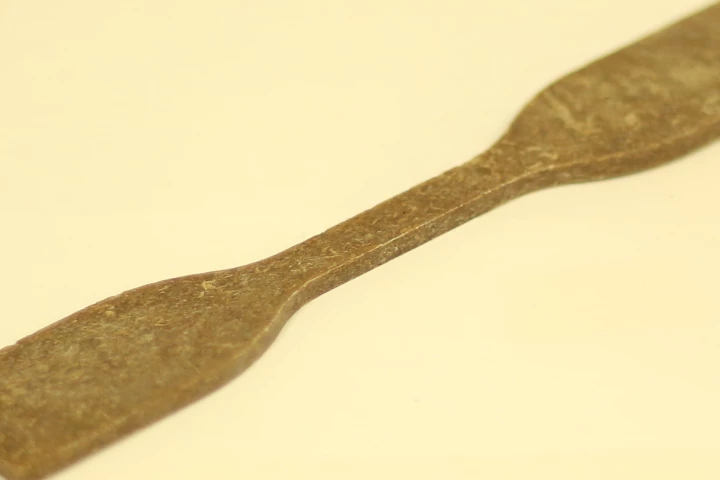 When the sap from plants such as sugar cane is extracted for commercial use, what's left over is a fibrous material known as bagasse. Now, Mexican startup Plastinova is using agave bagasse from the tequila industry to make a wood-like material, although it's also incorporating recycled plastic.
 -
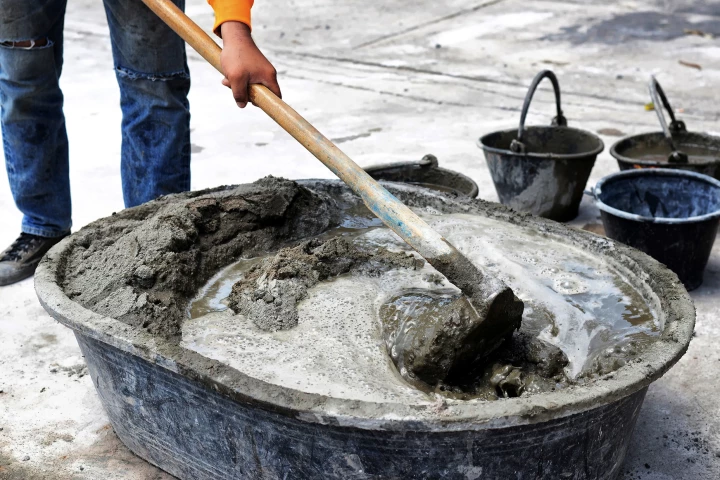 As one of our most relied upon construction materials, concrete makes a significant contribution to our overall carbon emissions. By altering the quantities of materials used in this process, scientists have uncovered a method of cement mixing that could reduce these emissions by more than half.
 -
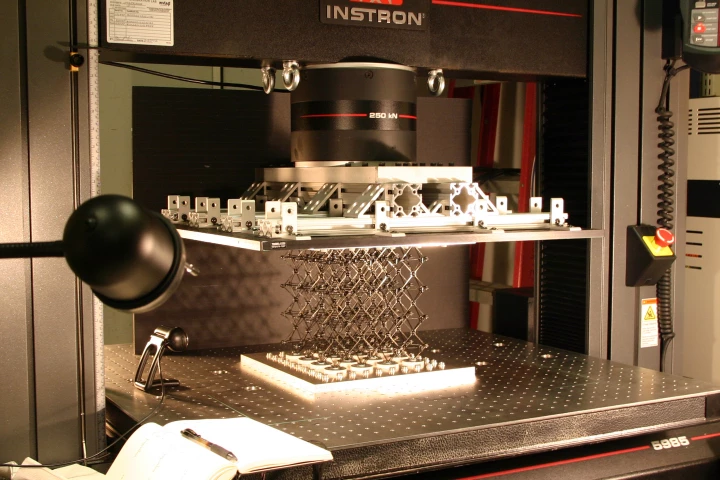 MIT researchers have invented a new digital material whose block like design allows the assembly of huge structures like towers, spacecraft and airplanes by snapping blocks together. Parts can be assembled instead of engineered by small robots crawling over the structure adding pieces of material.
 -
 Ordinarily seen as a waste product, the husks of sunflower seeds could be used to make concrete, according to research out of Turkey.
 -
 MIT researchers have developed a new collapsible engineering structure, inspired by a toy.
 -
 The 71-story Pearl River Tower, described as one of the most energy-efficient skyscrapers in the world, has reached its topping out milestone on the way to its planned completion later this year.
Load More