
Colors
-
 Instead of growing, harvesting, processing, and shipping fabric across the world, why not let non-polluting bacteria grow it and dye it in a single container? Korean scientists are taking the first steps towards doing that very thing.
 -
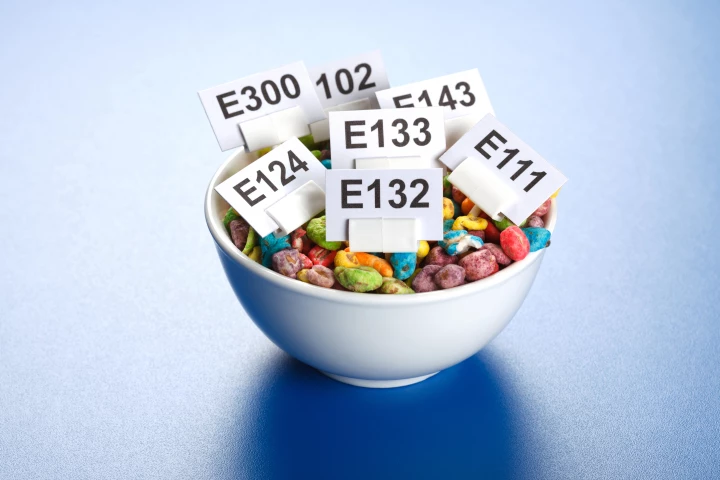 In a comprehensive new study looking at 39,763 different foods and drinks from the biggest 25 companies in the country, scientists discovered that almost 20% rely on synthetic food dyes to attract consumers. Now, the fight is on to ban them for good.
 -
 The existence of orange cats dates back to the 12th century, but the DNA driving this color has been a mystery – until now. Scientists have solved the puzzle, finding a surprise variant that triggers ginger fur, one not seen in any other orange animal.
 -
 Just when you think you've seen it all, researchers claim to have developed a way for people to see a color the human eye has previously never seen before. They're calling this new hue 'Olo.'
 -
 When it comes to protecting crops via insect-blocking netting, you may think that the size of the holes in that netting is the most important factor. According to new research, however, the color of red netting makes an even bigger difference.
 -
 Soft robotic devices often need to sense both mechanical deformation and changes in temperature, requiring multiple integrated sensors. ChromoSense technology, however, combines both functions in one simple, robust, color-changing device.
 -
 Scientists have “painted” with DNA, creating 16 million colors to accurately reproduce digital images with 24-bit color depth. The resulting images are incredible, and represent not just a new art form but potential advances for storing data on DNA.
 -
 The desert-dwelling Namaqua chameleon has a pretty neat trick – it changes skin color to stay cool when outdoor temperatures rise, and stay warm when they drop. An experimental new coating could one day do the same thing for our homes.
 -
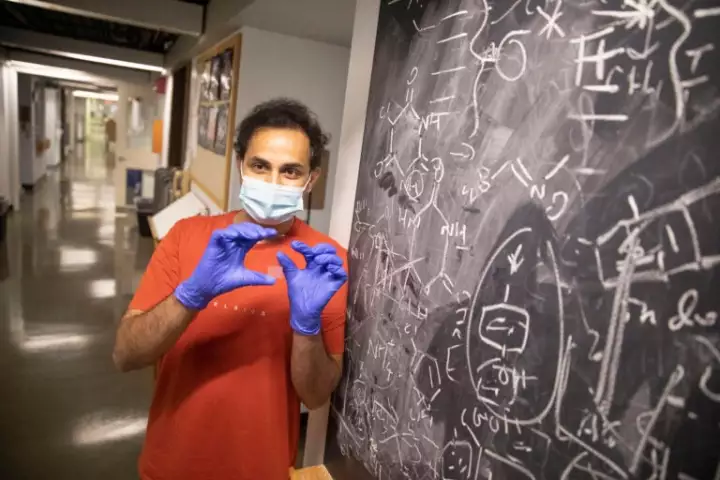 Digital data storage is far from permanent. The data on your hard drive or flash drive probably won't last more than a few decades, but Harvard researchers have created what they say is a much longer-term alternative using spots of glowing dye.
 -
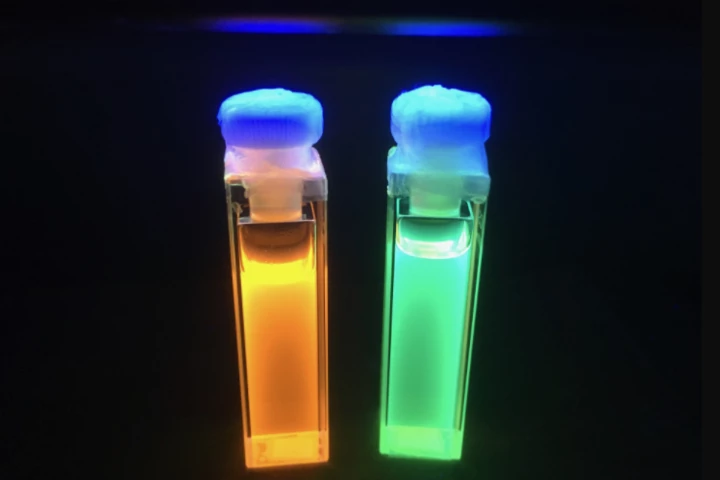 Although some people may think that electric cars can run forever, their motors do wear out over time. According to a new study, special dyes could allow drivers and mechanics to know when that time is about to come.
 -
 Imagine if you were a product designer who wanted to see what an actual physical object would look like in different colors or patterns. Well, MIT has designed a system that allows users to easily do just that, utilizing photochromic dyes.
 -
 It may seem like a basic color, but blue is actually rather rare in the natural world. That complicates the search for natural blue food colorings, but now a team of scientists has found a promising candidate hiding in red cabbage.
Load More