
Cloning
-
 Like a plot mashup of Jurassic Park meets Game of Thrones, John Hammond meets Jon Snow, scientists at Colossal Biosciences claims to have pulled off the world's first de-extinction event. It's brought back the dire wolf.
 -
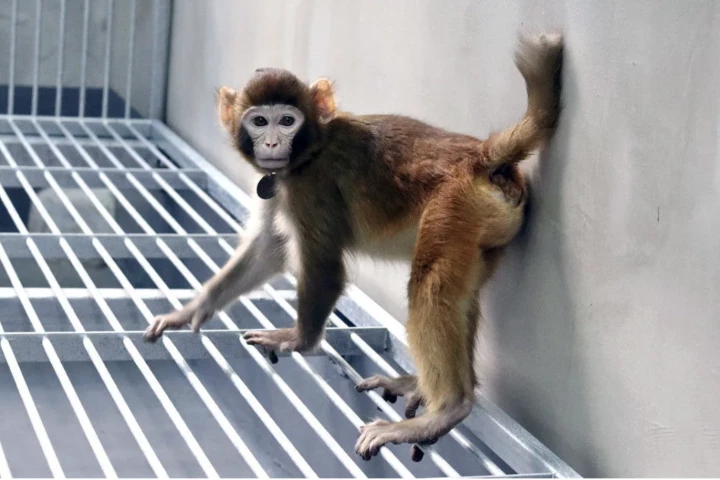 While ethical questions abound, scientists have tweaked traditional SCNT cloning of mammals to produce the very first healthy rhesus monkey that has lived to adulthood. It’s the first successful cloning of a species notoriously hard to 'copy and paste.'
 -
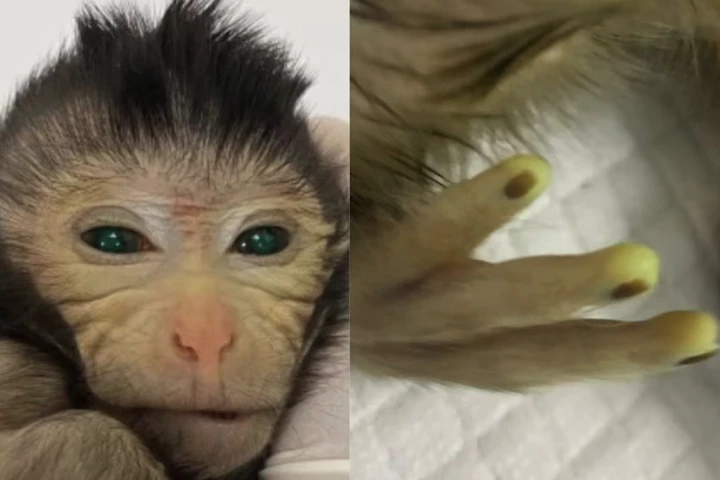 Cells from two genetically distinct macaque embryos have been combined, resulting in the first chimeric primate live birth. The newborn male's green glow reveals how large a part the injected stem cells played in development, stunning scientists.
 -
 New research out of China has confirmed the birth of five-gene-edited monkey clones. Two recently published papers describe how a CRISPR-gene edited long-tailed macaque has been successfully cloned demonstrating the first time in the world a gene-edited monkey has been effectively cloned.
 -
 A new study from the German Cancer Research Center has revealed that the entire species of Marmorkrebs originate from a single mother crayfish, in a clonal reproduction that may help shed new light on processes in tumor development.
 -
 If science fiction stories are to be believed, clones are never perfect copies of the original and things quickly get weird and messy when you start to clone a clone. In a new study, a team has made several clones of Snuppy, the world’s first cloned dog, and so far the results are pretty positive.
 -
 With various “de-extinction” projects in the works right now, researchers have published a paper analyzing the ecological benefits, risks and responsibilities of reintroducing once-extinct species into modern ecosystems.
 -
 Dutch artist Diemut Strebe has created a living replica of Vincent Van Gogh's ear, using DNA from one of his descendants. With a lifespan of 80 years or more, the ear could live as long as a person, according to the artist.
 -
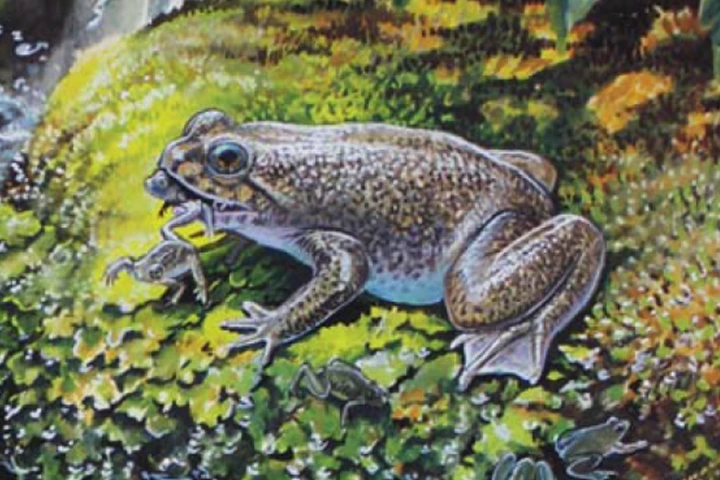 Scientists working on the “de-extinction” Lazarus Project have successfully revived and reactivated the genome of an extinct Australian frog called the gastric-brooding frog.
 -
 Dr. Teruhiko Wakayama of the RIKEN Institute in Japan has succeeded in creating 25 generations of clones of a single mouse, leading to a total of 581 genetically identical mice.
 -
 Chinese scientists have created a herd of 300 transgenic dairy cattle, all of which have been genetically modified to produce human breast milk.
 -
 The last known mammoth lived around 4500 years ago, but if scientists in Japan are successful then we might be able to meet one; research to resurrect these awesome creatures has begun again in earnest following a new scientific breakthrough..
Load More