
Climate
-
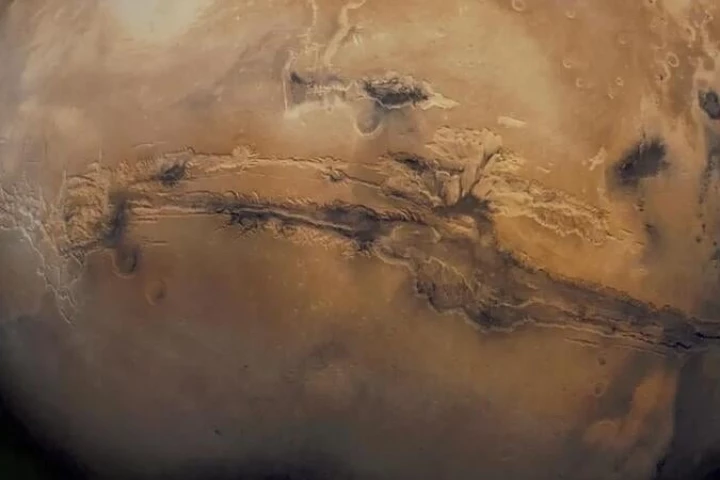 Why did the ice ages occur? If you need a scapegoat, a new study by Stephen Kane of UC Riverside suggests pointing the finger at Mars. According to computer models, the pull of the Red Planet may have altered the Earth's orbit until things got nippy.
 -
 A groundbreaking study has traced the 66-million-year history of primates to overturn conventional thought that our ancestors came from tropical forests. The earliest members of our family tree, scientists say, were actually cold-climate survivors.
 -
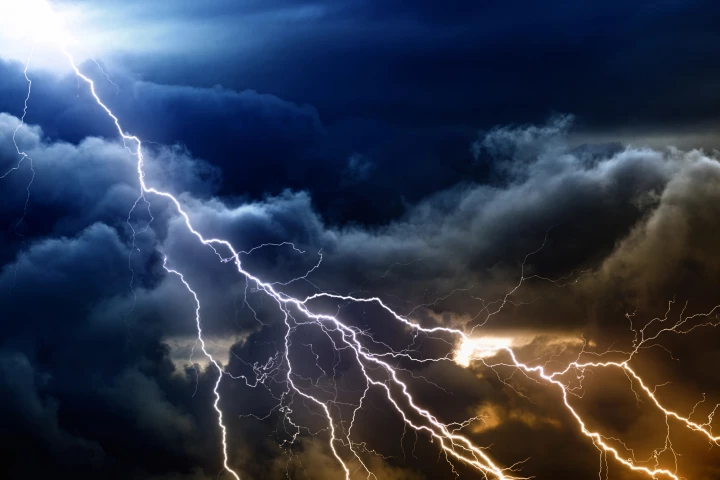 A lightning bolt stretching 515 miles from eastern Texas to near Kansas City has set a frightening new record as the longest single flash ever recorded. There are only two places on the entire planet where this kind of "megaflash" is likely to occur.
 -
 GenCast, an AI-powered weather prediction tool, can crank out 15 days of highly accurate weather forecasts in minutes. Not only will it help you dress right in the morning, but it can give valuable, life-saving warnings for extreme weather events.
 -
 The dynamic way different-shaped snowflakes perform distinct 'dances' within clouds has been found to influence how much precipitation is likely to form. The discovery of this unique cloud choreography opens the door to precise weather forecasts.
 -
 Saturn’s rings are iconic, but new evidence presented by researchers from Monash University suggests Earth might once have sported one of its own. This ring would likely have caused climate chaos on the surface.
 -
 Earth saw its hottest day on record this week – twice. According to the Copernicus Climate Change Service data, Sunday claimed the top spot for highest global average temperature since the records began in 1940, only to be broken again on Monday.
 -
 Earth’s seasons change as we orbit the Sun – but can the climate also be affected by the solar system’s changing position in the Milky Way? A new study suggests an ice age about two million years ago may have been triggered by an interstellar winter.
 -
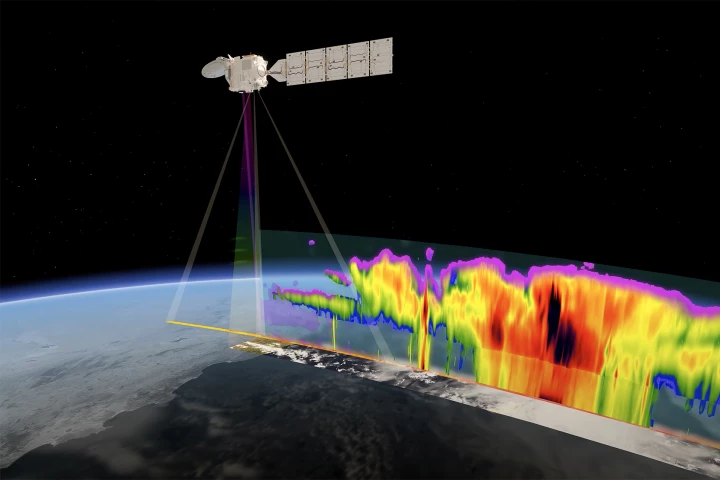 Clouds. They’re not very well understood. EarthCARE, a soon-to-launch satellite, will use advanced tech to unlock their mysteries, giving scientists a better understanding of the mysterious weather phenomenon so they can produce more accurate climate forecasts.
 -
 We all know that water evaporates when the temperature climbs, but researchers have just shown that there's another factor at play. The breakthrough could solve long-standing atmospheric mysteries and lead to future technological advances.
 -
 Climate change will trigger stronger storms more often, and the threat may not be properly communicated. Now, scientists at Berkeley Lab suggest there’s room for a Category 6 on the scale – with five storms in the past decade reaching that strength.
 -
 Independent analyses by NASA, NOAA, WMO, Copernicus and the UK Met Office have all confirmed that 2023 was officially the hottest year on record. A slew of other records were also broken amidst a string of severe weather events across the globe.
Load More