
Cleaning
-
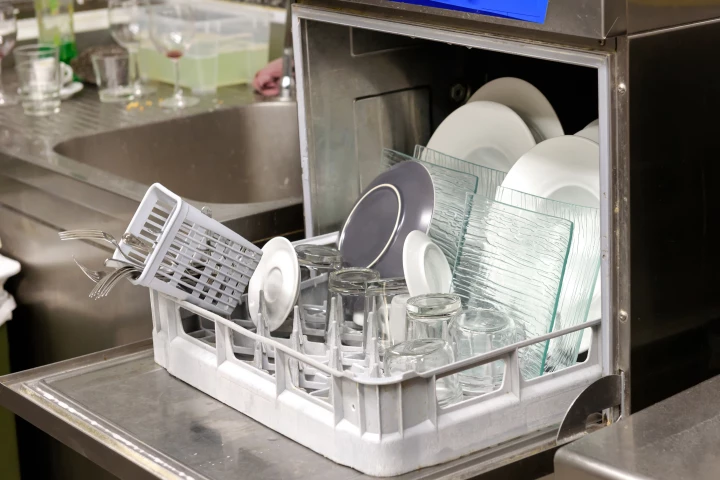 New research is questioning the safety of certain chemicals used in dishwashing detergents after intestinal cell models revealed high doses of components in rinse aids can damage gut health.
 -
 PFAS are insidious pollutants thanks to their ubiquity, long life and a growing list of linked health concerns. But now researchers at UC Riverside have developed a new method to break them down more effectively, using hydrogen and UV light.
 -
 Ordinarily, water is used to clean off the layer of dust that continuously accumulates on solar panels. In arid regions, however, doing so can be challenging. A new system addresses this problem, by substituting electrostatic repulsion for water.
 -
 Surfaces in contact with salty water usually end up with a corrosive layer of salt caked on. Now, engineers at MIT have made these minerals so easy to remove that they often just fall off on their own – by forming “crystal critters.”
 -
 The 2019 North American outbreak of E. coli contamination in romaine lettuce doubtless got many people thinking about how to most effectively wash their leafy veggies. Well, a new study suggests that using ultrasonic water may be the best way to go.
 -
 Although cleaning up the humungous Great Pacific Garbage Patch is a daunting concept, removing trash from local waterways is much more feasible … and that's exactly what the Clearbot robot is designed to do.
 -
 We've seen a number of "electric mouthpiece"-type toothbrushes that are claimed to clean your teeth in 30 seconds or less. At a reported 50 seconds, the three-headed BruBruBrush takes a little longer, but its makers state that it works better.
 -
 When oil is spilled into the ocean, clean up efforts can focus on the surface, but plumes of subsurface oil are harder to recover. The Oleo Sponge is a new type of foam that can not only soak up oil that has dispersed throughout water, but can be wrung out to reuse both the material and the oil.
 -
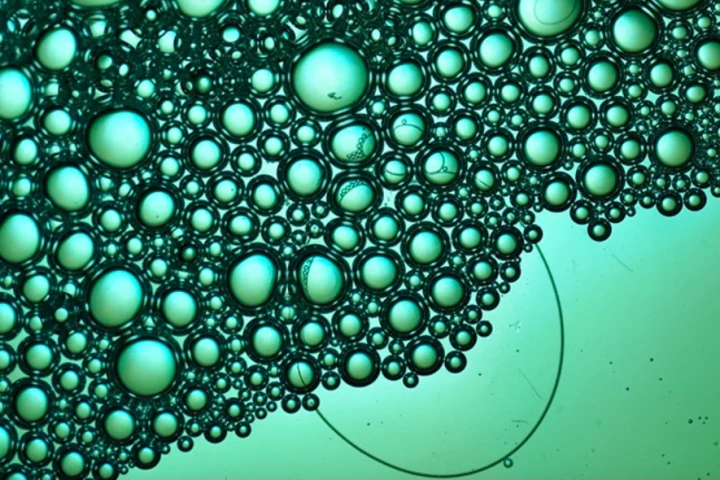 The majority of commonly-used soaps contain petroleum. While there are petroleum-free soaps out there, they often don't perform that well. Now, however, scientists have developed one that is claimed to actually work better than mainstream products.
 -
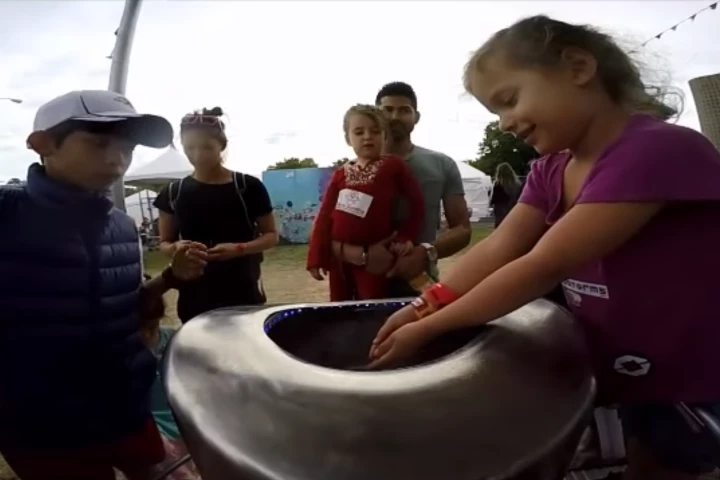 Inventor Donal Vitez is back with a revised Robo-Washer, which like its predecessor handles washing and drying affairs from beginning to end, but then recycles what little water it uses after each cycle.
 -
 Scientists from Switzerland's Empa research group have come up with a method of using waste to contain pollution – they've developed sponges made from cellulose by-products, that can soak up 50 times their own weight in spilled oil.
 -
 Remember how much fun it was to use the Dyson Airblade the first time? The Robo-Washer steps up the game by doing the washing part for you as well. 360-degree jets of high pressure soapy water are followed by a blast of warm air to give you an all-in-one touchless hand cleaning station with no mess.
Load More