
Clean Energy
-
 Studying how bacteria interacts with the environment, a microbiology team discovered a powerhouse of an enzyme that consumes hydrogen and turns it into electricity. Researcher Rhys Grinter told New Atlas what the findings could mean for clean energy.
 -
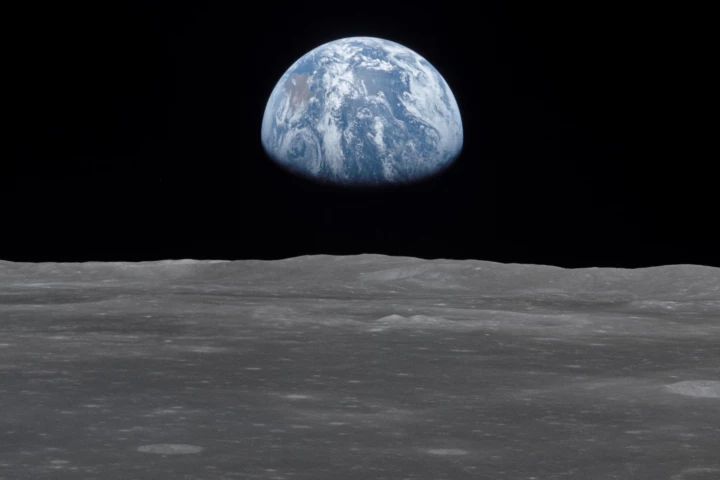 It seems China's Chang'E-5 robotic Moon mission has discovered more than water on the lunar surface. Scientists have confirmed the discovery of a new mineral, a transparent crystal named Changesite-(Y), as well as a promising potential fusion fuel.
 -
 Although only at the proof-of-concept stage right now, scientists in Belgium have come up with a way of capturing polluted air and converting it into power in the form of hydrogen gas, a technology that could prove a two-pronged environmental panacea.
 -
 Back in 2015, Google launched a clever venture called Project Sunroof that used Google Maps data to assess the solar potential of individual roofs. It has now expanded to cover every US State and the data makes a compelling case for solar power indeed.
 -
 Australia is sitting on top of some of the world's most potent geothermal energy sources. Just one percent of the hot rock energy less than 5 km underground would be enough to meet the whole country's entire power needs for 26,000 years if it was tapped. So why aren't we seeing more movement on it?
 -
 Braving a harsh winter with snow-covered solar panels, a net-zero energy home in Washington DC has come up trumps in a year-long study of its energy harvesting capabilities. Researchers even found enough of a surplus to power an electric car for 1,440 miles (2,317 km).
 -
 Offshore wind generation is extremely effective, but it's also very expensive to anchor wind turbines to the sea bed using current technology. Seatower's very clever base platform is significantly cheaper and easier to fix to the ocean floor. It could make offshore wind power much more affordable.
 -
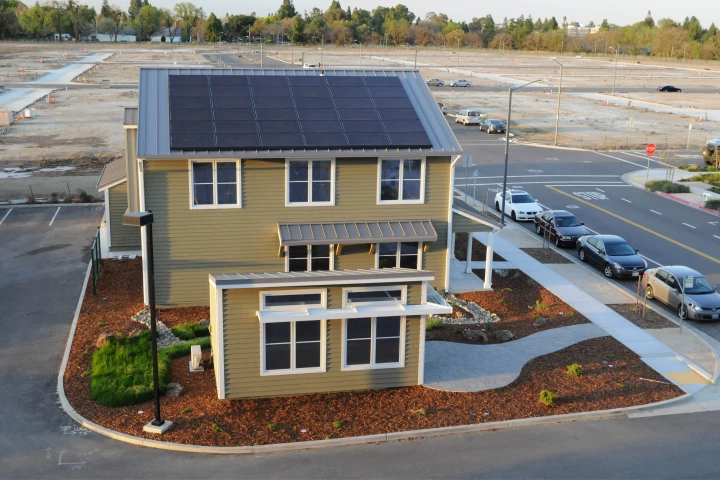 The Honda Smart Home US, which was unveiled last week at the University of California (UC), Davis, generates enough solar energy to power both car and home, with a little left over to feed back into the grid.
 -
 The village of Ambondro in Madagascar has become home to a Plug&Sun concentrating photovoltaic system (CPV) as part of a Fondation Énergies pour le Monde project. The organization brings clean power to people in remote zones and has coupled solar and wind to guarantee a steady electricity supply.
 -
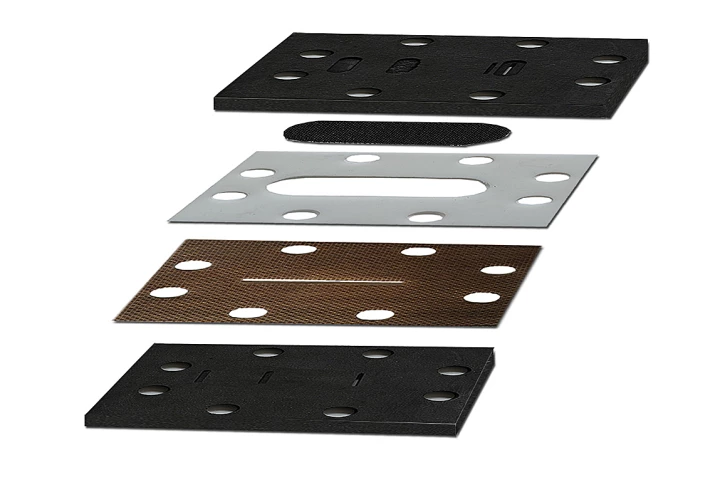 A group of researchers at MIT has designed a cheap and high-performance membraneless flow battery, that could provide the grid infrastructure to help unpredictable wind and solar energy produce a much higher portion of our energy needs.
 -
 Google has acquired Makani Power, a Alameda, California-based startup whose Airborne Wind Turbine (AWT) technology first caught our interest in 2011.
 -
 The Atmospheric Vortex Engine creates tornadoes to produce cheaper and more efficient electricity.
Load More