
Chitin
-
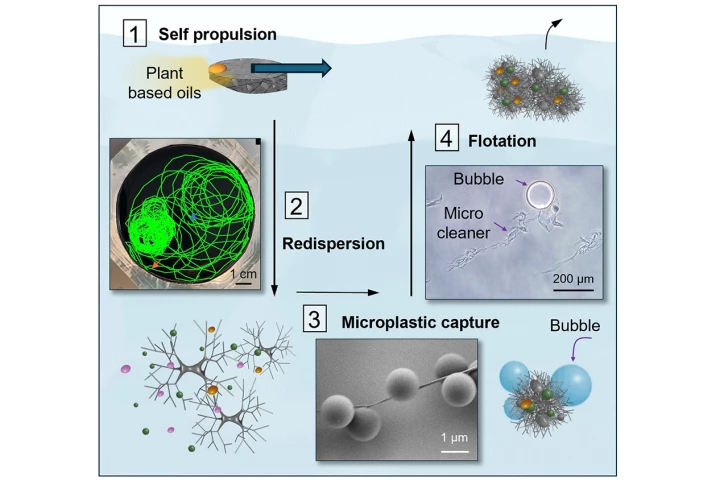 Wouldn't it be great if there were a way of chasing down waterborne microplastic particles and catching them for removal, as opposed to just passively filtering them out of water bodies? Well, new "microcleaners" can reportedly do that very thing.
 -
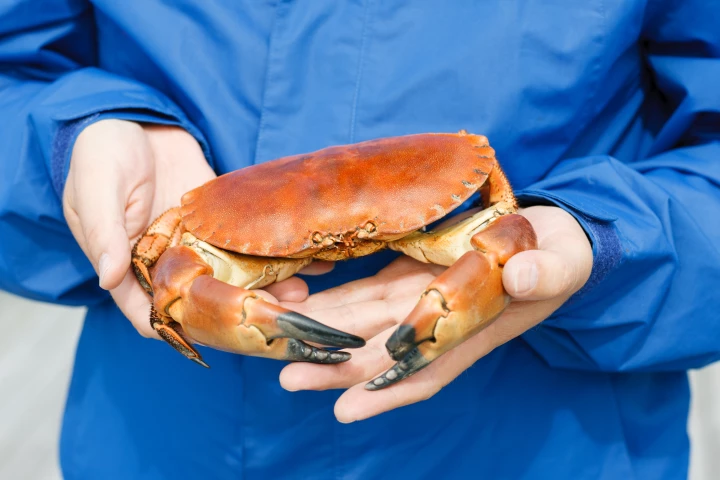 Chitin, which provides crucial exoskeletal structure and protection to soft-bodied arthropods such as crustaceans, spiders and insects, may have a surprising role in switching up human metabolism in the gut, helping to fight weight gain and obesity.
 -
 Cellulose and chitin are the world's first- and second-most common biopolymers, found in plants and crustacean shells (among other places) respectively. Georgia Tech scientists have now devised a method of combining the two, to produce plastic-like compostable food wrap.
 -
 Chitin, which occurs in crustacean shells, has already been suggested for use in things like wound dressings, cheaper pharmaceuticals, and even proton-conducting transistors. Now, researchers have found that when combined with silver, it could also be used to kill malaria-spreading mosquitoes.
 -
 A team of bioengineers from the University of Nottingham and Nile University in Egypt are developing a new substitute for conventional plastic carry bags using a material made out of shrimp shells that is not only greener, but can also extend the shelf life of foodstuffs.
 -
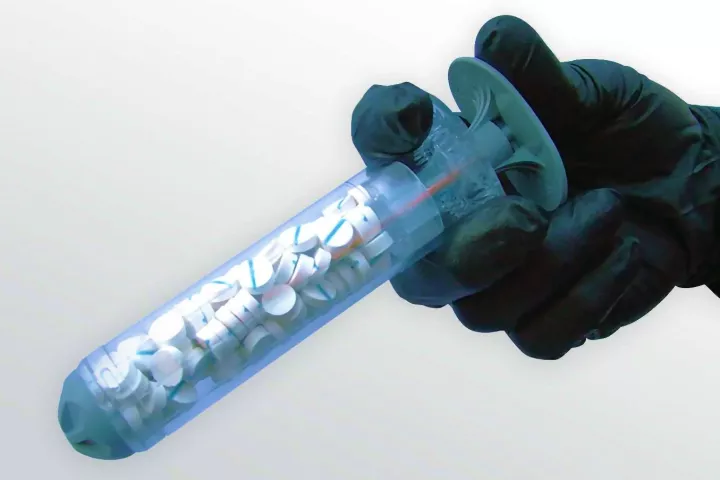 Uncontrolled hemorrhage (bleeding out) is responsible for 80 percent of combat deaths – people die because we can't plug a simple hole. Now RevMedX, a small Oregon startup, has developed an alternative approach to treat such potentially survivable injuries.
 -
 Squids have provided the key ingredient for a proton-conducting transistor, that may allow man-made devices to communicate with living systems.