
Chips
-
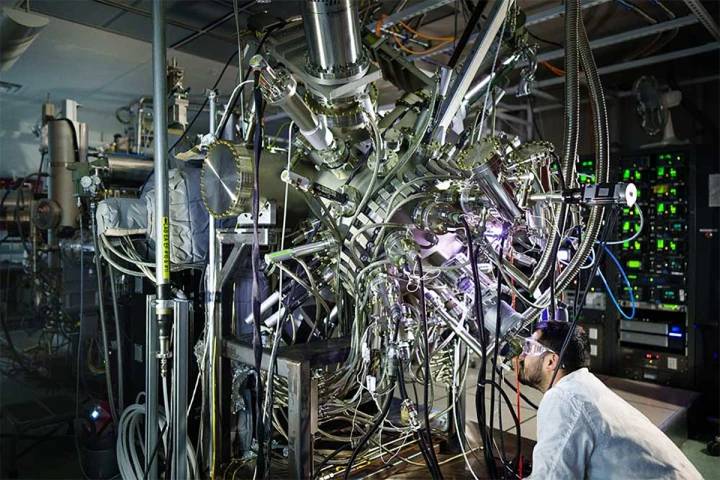 Under specific conditions, lasers can cool things down – and that might just be what we need to tackle way-too-toasty data centers. A new technology called laser-based photonic cooling can target tiny hotspots on chips to zap heat away.
 -
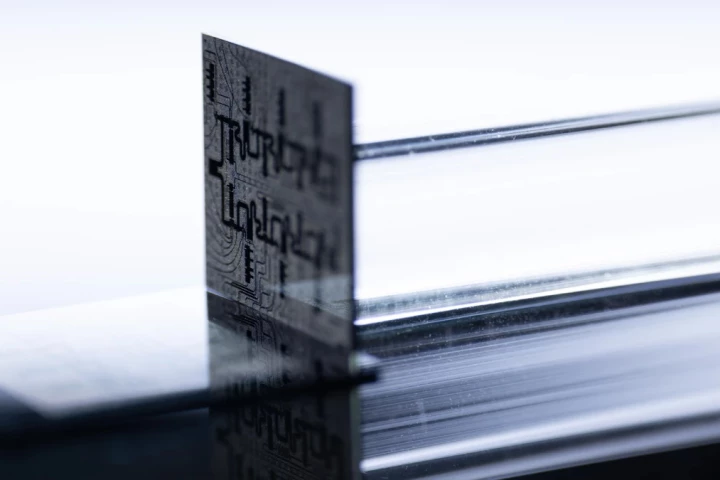 Amazon has unveiled its first quantum computing chip today, after four years in the making. Dubbed Ocelot, it uses 'cat qubits' for improved error correction, and could lead to cheaper practical quantum computing in the years to come.
 -
 In a true public service, potato scientists have flicked the 'off' switch on a genetic mechanism that causes cold-stored taters to produce carcinogenic acrylamide when cooked. It means that one of the world's greatest food groups could be made healthier.
 -
 We're getting one step closer to a portable, practical and affordable "cocaine breathalyzer," thanks to research being conducted at the University at Buffalo. Scientists there have created a chip that detects the drug in samples of a person's blood, breath, urine or saliva.
 -
 Researchers at Stanford University have developed a new way to safely transfer energy to tiny medical devices implanted deep inside the human body, leading to the development of tiny "electroceutical" devices that could treat diseases using electronics rather than drugs.
 -
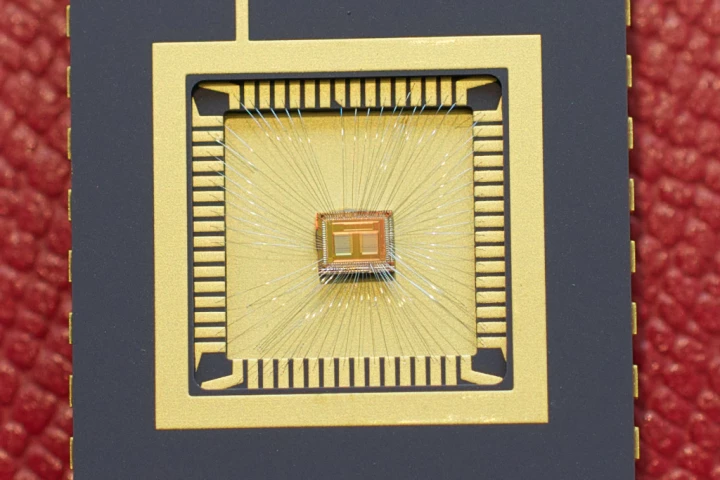 Scientists from IBM Research - Zurich are claiming a world-first, for their recent demonstration of "reliable multi-bit phase-change memory technology."