
Chalmers University of Technology
-
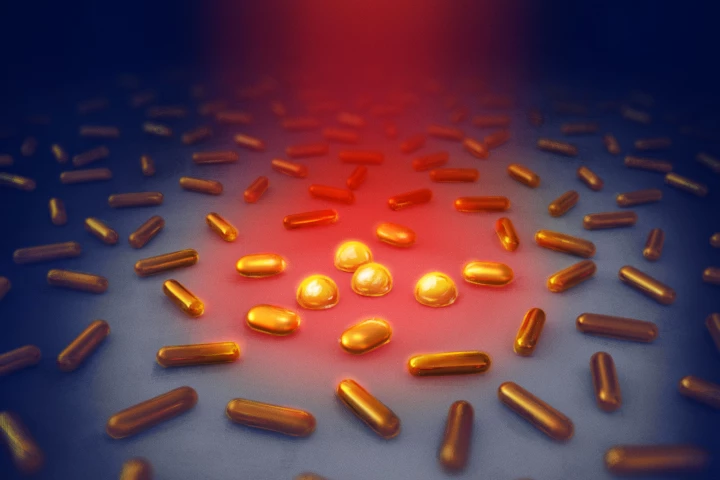 When someone receives an implant such as an artificial hip, there's a real risk of an infection occurring at the implant site. According to a new study, however, a covering of bacteria-frying gold nanorods could keep that from happening.
 -
 While there has been a general consensus that olive oil and other plant-based fats are better for you than butter, scientists have now put it beyond doubt, combining diet-intervention and previous cohort research to assess serious disease risk.
 -
 In diabetics, wounds tend to progress quickly and heal slowly. Researchers have used electricity to heal diabetic wounds three times faster, which offers great potential for treating those with diseases that lead to reduced wound healing.
 -
 In countries such as India, a great deal of toxic dye waste from the textile industry is released into waterways, harming people and the environment. A new wood-derived filtration media could remove much of that dye from wastewater streams.
 -
 It's always good if the use of antibiotics can be avoided, to keep harmful bacteria from developing a resistance to them. A new wound-treatment spray could help, as it kills bacteria using peptides that occur naturally in our bodies.
 -
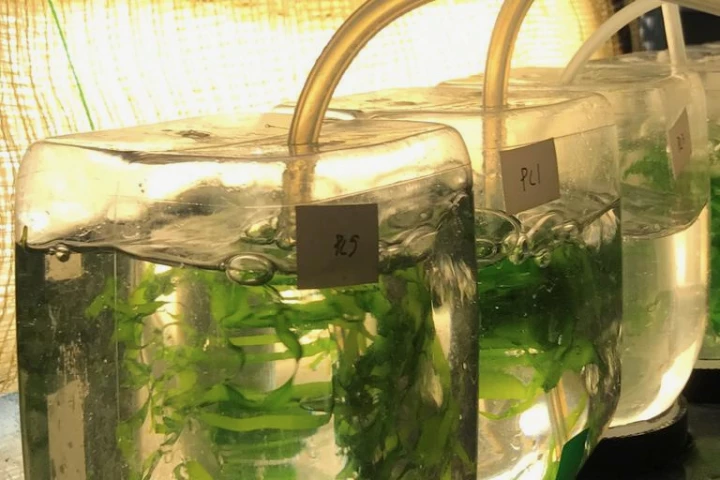 The processing of foods typically generates a lot of wastewater, which has to be cleaned up before being released back into local waterways. According to new research, however, that water could first be put to use as a very effective fertilizer for farmed seaweed.
 -
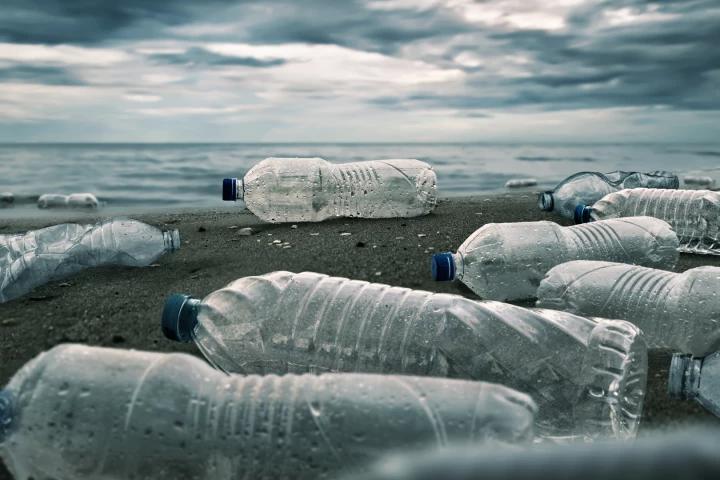 Recent research has uncovered a range of plastic-degrading enzymes, and a new study has revealed this to be part of a broader trend in which such enzymes are increasing in numbers and diversity in direct response to plastic pollution around the world.
 -
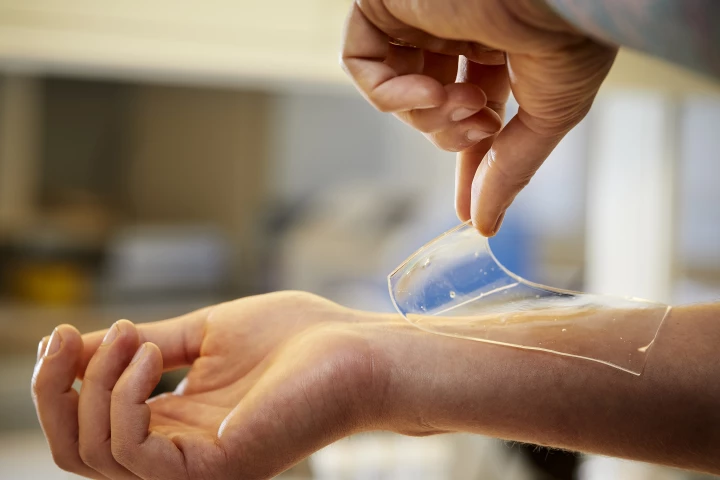 It's no secret that the more we use antibiotics, the greater the chances that bacteria will develop a resistance to them. A new antibacterial wound dressing is designed to get around that problem, by using proteins instead of regular antibiotics.
 -
 An international team of scientists is reporting success with one of the most advanced bionic arms ever made. Users control the prosthesis just by thinking about it, while it feeds the sensation of touch back to the brain.
 -
 When Swedish scientists recently set out to create a rigid bone-replacement material, they inadvertently ended up producing a soft and rubbery substance. That's all right, though, as it may end up being even more useful than the bone stand-in.
 -
 In order to reduce greenhouse gas emissions and harvest useful byproducts, scientists are increasingly investigating methods of capturing the CO2 emitted by smokestacks. A new material may make doing so easier and more efficient than ever before.
 -
 Given that the WHO estimates that seven million premature deaths annually around the world are caused by air pollution, monitoring air quality is vital. Researchers at Chalmers University of Technology have developed an optical nano-sensor that can be mounted to most streetlamps.
Load More