
Cement
-
 According to some estimates, the generation of the heat used to produce traditional portland cement is responsible for 5% to 8% of all human-made CO2 emissions. A new substance known as C-Crete, however, is claimed to be a much greener alternative.
 -
 The production of the cement is a major source of greenhouse gas emissions, which is why some people have tried replacing it with fly ash. A new technique makes that fly ash more eco-friendly, resulting in concrete which is greener and stronger.
 -
 A six-year competition to capture CO2 emissions from operational power plants and convert them into useful products has drawn to a close, and produced dual winners with technologies that promise to reduce the environmental footprint of concrete.
 -
 A substance known as calcium phosphate cement is commonly used to repair broken bones, both holding them together and encouraging the growth of new bone tissue. Now, scientists have added carbon fibers to the material to also make it self-healing.
 -
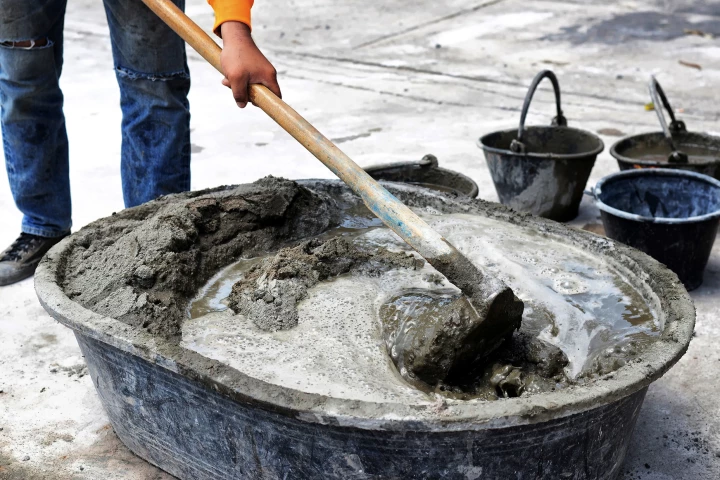 As one of our most relied upon construction materials, concrete makes a significant contribution to our overall carbon emissions. By altering the quantities of materials used in this process, scientists have uncovered a method of cement mixing that could reduce these emissions by more than half.