
Cellulosic
-
 Indiana University biologists claim to have found a quicker, cheaper, cleaner way to increase production in bioethanol-producing microbes using nitrogen gas. This could replace chemical fertilizers and make the cost of cellulose ethanol competitive with that of corn ethanol and gasoline.
 -
 A new process that converts cellulose into starch could allow non-food plants to be a food source in impoverished regions.
 -
 Cellulose nanocrystals extracted from wood pulp are inexpensive as well as stronger than Kevlar or carbon fiber.
 -
 Wisconsin researchers have developed a new lignin-solvent process for making biofuels, paper and chemicals from cellulose.
 -
 A newly-discovered strain of bacteria is able to convert the cellulose in newspapers into butanol biofuel.
 -
 Engineers at University of Wisconsin-Madison have found a way to convert 95% of the energy of cellulosic biomass into jet fuel using stable, inexpensive catalysts, basic equipment and minimal processing.
 -
 Scientists have found a way to turn discarded fruit peels, newspapers and other waste products into cheap fuel to power the world’s vehicles.
 -
 Construction has begun on an integrated cellulose and starch ethanol commercial demonstration facility in Montana which will utilize non-food ethanol feedstocks in combination with a variety of traditional starch and sugar sources.
 -
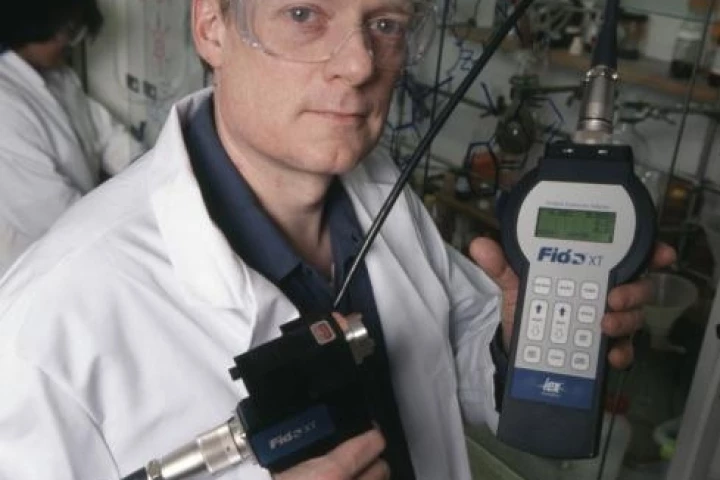 April 3, 2007 Dr. Timothy M. Swager has a nose for explosives. The Massachusetts Institute of Technology Professor of Chemistry claims he can “almost always ta