
Cellular
-
 Enduring a week of cold water plunges can jolt the body’s cells into starting the process of cleaning up old, worn-out, and broken parts, according to a new study. It highlights the potential of ice baths as a treatment for aging or chronic illness.
 -
 Good news for the 51 million Americans with chronic pain: Scientists have unraveled the neuronal disturbances that can see acute pain turn into a long-term nightmare, and with some targeted cell therapy, could potentially stop this process altogether.
 -
 It's cheap, easy to transport, effective and non-invasive. Scientists have had their eye on genetically modified lettuce for insulin delivery for a while now (we're as surprised as you are), but it's one step closer after this promising animal trial.
 -
 Scientists at UC San Diego have developed a way to potentially slow down the cellular aging process, using an oscillating genetic 'clock.' In tests, yeast cells were found to live significantly longer than those without.
 -
 For all they do for us, our hearts aren't very good at repairing themselves. Now however, inspired by young hearts, researchers have transmuted scars into healthy tissue in mice, walking back the damage brought about by heart attacks.
 -
 Using techniques borrowed from astronomy, biologists have developed a new microscopy technique that delivers extraordinary 3D video of cells moving around inside living tissue. It's a fascinating window into just how busy and complex life is at the cellular level.
 -
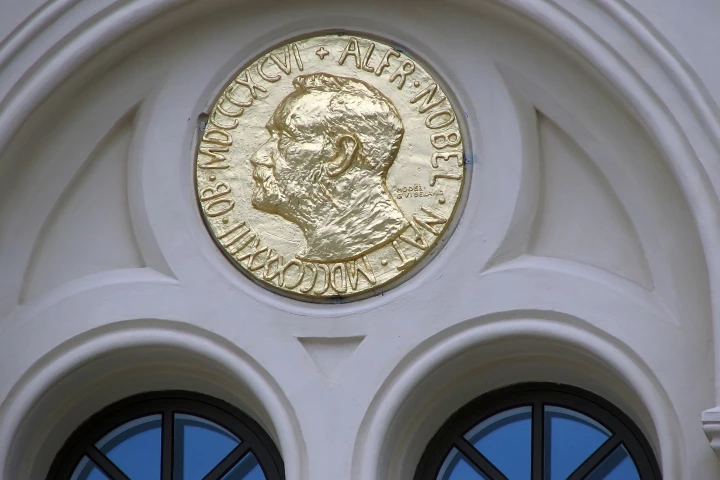 The Nobel Prizes are being announced this month, and we now know the winners of the prizes in three fields of science: physics, chemistry and medicine. Here's what you need to know about the advancements in each area that led to the award of some of the world's most prestigious prizes.
 -
 The algorithms used for zooming in and out on Google Maps and Google Street View have made it possible to visually traverse through layers of the body using real scans stitched together, with huge potential implications in medicine as it reduces the difficulty of comparative analysis
 -
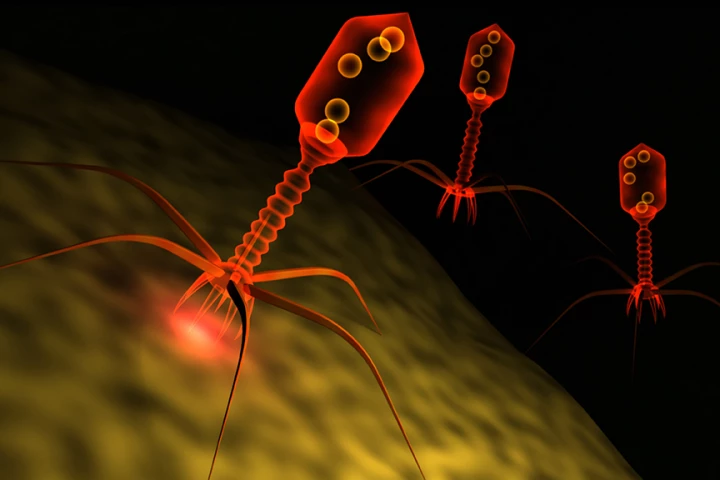 Researchers have developed a cell-to-cell communications mechanism they liken to a biological internet.
 -
 Researchers at Clemson University have discovered that inkjet bioprinting disrupts the membranes of the cells being printed, leaving them open to having proteins inserted.
 -
 Scientists from the Instituto de Microelectrónica de Barcelona have found a way to implant minute silicon chips into living cells and use them as intracellular sensors.