
Carbon capture
-
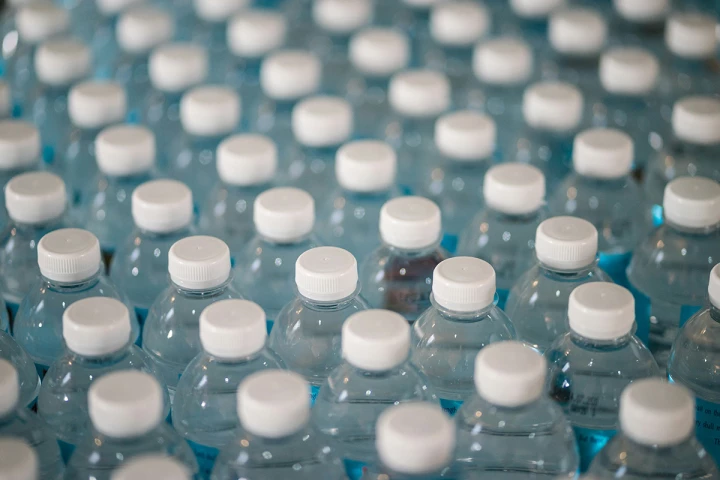 Scientists in China have devised a way to capture carbon dioxide stored in seawater, and convert it into biodegradable plastic precursors. This approach could reduce the acidification effect of CO2 emissions in marine ecosystems, with an added bonus.
 -
 The air at sea might be getting a bit cleaner as technology group Wärtsilä puts its Carbon Capture Solution (CCS) system on the market. The modular apparatus is claimed to capture as much as 70% of the CO2 emissions from cargo ship exhaust systems.
 -
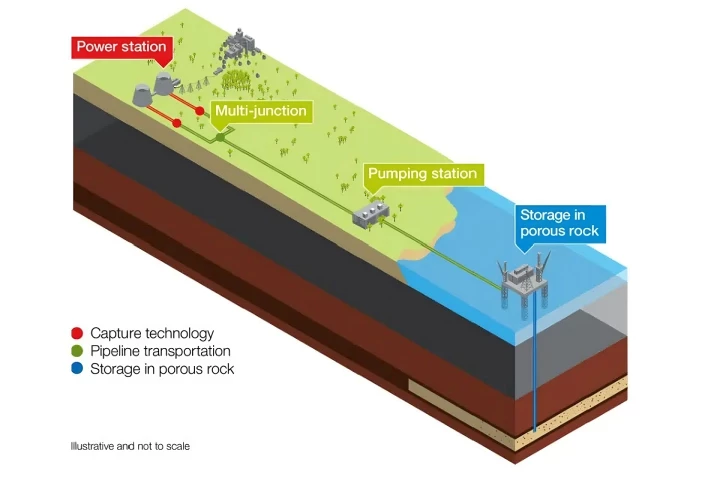 ExxonMobil just signed a lease for 271,068 acres of undersea land off the coast of Galveston, Texas to capture and permanently inject carbon emissions into the underwater rock bed, making it what will be the largest CO2 dump in the United States.
 -
 A technique originally developed to combat acid rain has the potential to pull an enormous amount of carbon dioxide out of the atmosphere – while helping to deacidify oceans, restore rivers and boost biodiversity and fish populations.
 -
 Tulip trees have been around for millions of years, but a new analysis of their structure has revealed a previously unknown type of wood. The finding could explain why the trees are great at sequestering carbon and help our efforts to do the same.
 -
 With complex ecological modeling, scientists have found that plants may be soaking up 20% more CO2 than earlier predicted. It's no "get-out-of-jail-free card," but it highlights the crucial role nature needs to play as we try to stem global warming.
 -
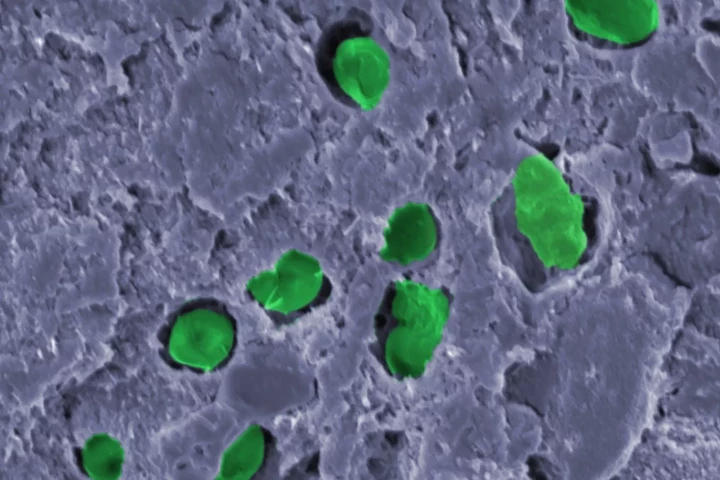 Researchers have created a paint containing living cyanobacteria that produces oxygen and can capture carbon dioxide. The bacteria’s ability to withstand extreme environments means the paint could even be used in outer space.
 -
 Mosses are one of the planet's most common – and undervalued – plants. A new study has finally given moss the recognition it deserves, highlighting its importance in maintaining Earth’s ecosystems and its potential for reducing our carbon footprint.
 -
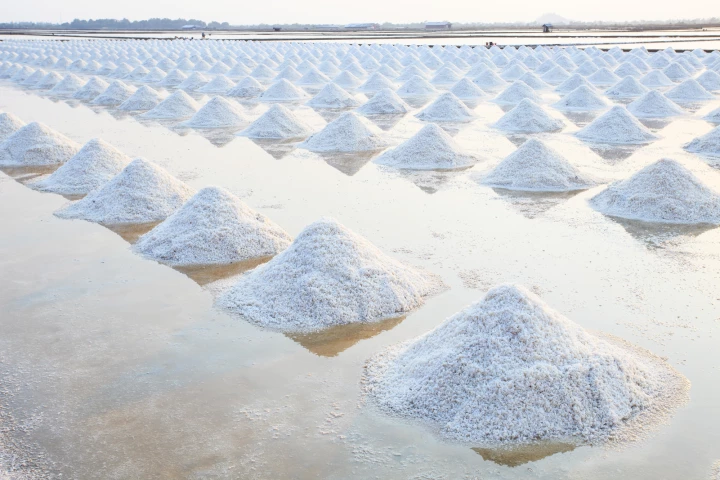 Could salt, one of the oldest preservatives around, help keep carbon deep underground for thousands of years? Researchers believe it can, and that it might offer a way forward in containing a gas that's a major contributor to climate change.
 -
 With their little flipper-like wings, these seabirds aren’t exactly candidates for being adept at pumping iron. But, in fact, they are: more than a million pounds of iron flows from their poop into the water annually, and it's crucial for ocean life.
 -
 The oceans soak up enormous quantities of carbon dioxide, and MIT researchers say they've developed a way of releasing and capturing it that uses far less energy than direct air capture – with some other environmental benefits to boot.
 -
 Greenhouse gases and plastic waste are two of the biggest environmental problems the world faces today. A new reactor from Cambridge tackles both at once, converting CO2 and used plastic bottles into useful materials, powered entirely by sunlight.
Load More