
camouflage
-
 If you're a surfer who doesn't want to be attacked by great white sharks, your surfboard should be as dark and stealthy as possible … right? Perhaps not, as a new Australian study suggests that a lit-up board may be better at keeping the sharks away.
 -
 The Disney-esque hues on bluespotted ribbontail rays come from a unique arrangement of nanostructures, say researchers. The findings, along with those gleaned from studying blue sharks, could help lead to new chemical-free color techniques.
 -
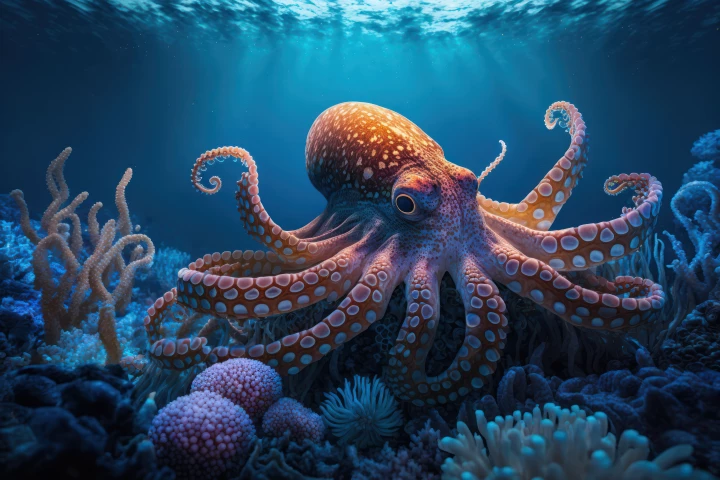 Scientists have speculated about the cognitive and dreaming abilities of the octopus. This study is a step closer in understanding their complex behavior. As does a study on cuttlefish from the same team, showing their color shifting like never before.
 -
 Given the fact that they live in an environment full of brown tree trunks and green leaves, giant pandas' black-and-white coloration may seem counterintuitive. According to a new study, however, it really does help them blend into their surroundings.
 -
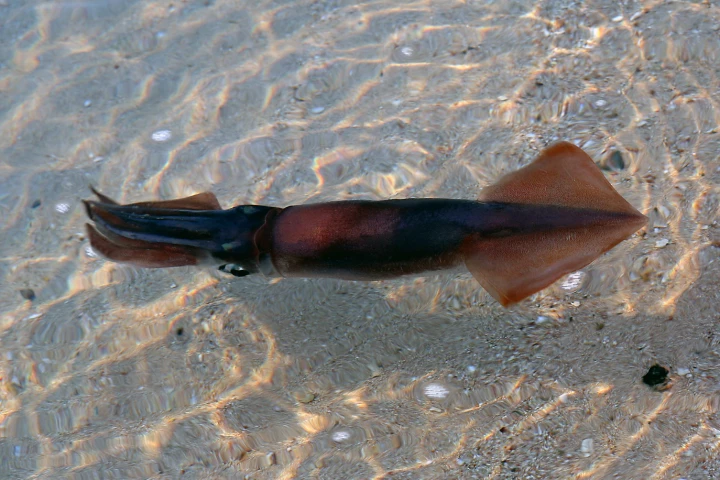 Of all the superpowers in the animal kingdom, the squid’s ability to turn invisible is one of the coolest. And now scientists at UC Irvine have managed to recreate that in human cells for the first time, granting them tuneable transparency.
 -
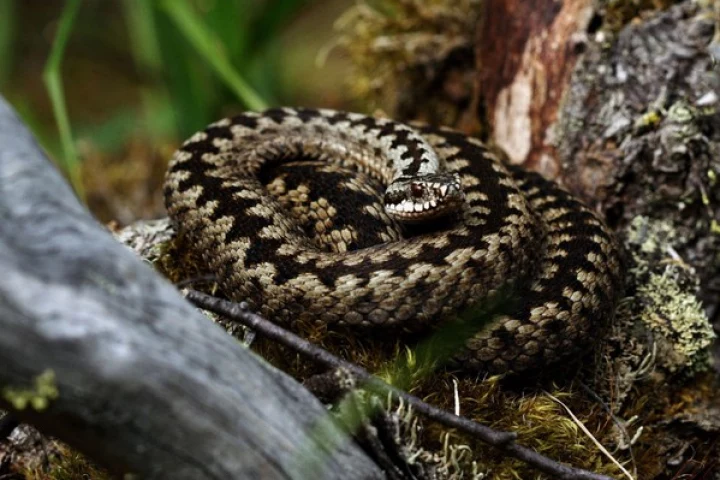 Scientists have shown that the simple zig-zag pattern on the back of the European viper serves three different purposes; it helps it avoid detection; warns predators off if noticed; and can hide the snake's movement if it has to flee.
 -
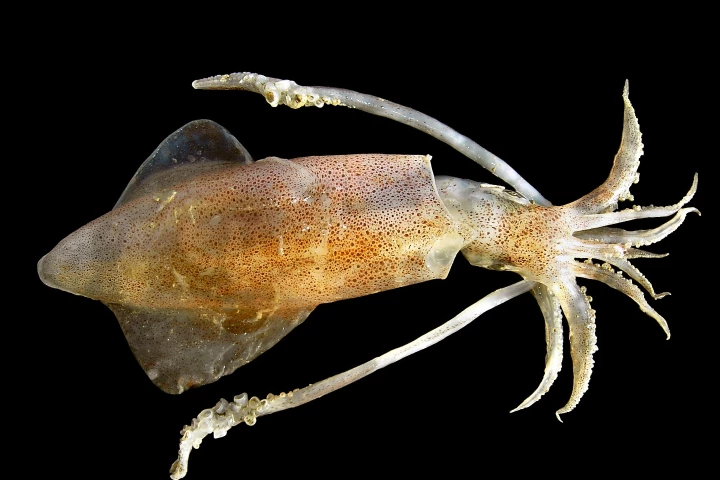 Camouflage allows soldiers to blend into their surroundings, but what if they could adapt to different surroundings in seconds? A team of researchers at Northeastern University has turned to cephalopods in an attempt to uncover their camouflage secrets and see if they can be mimicked.
 -
 Using a particularly well-preserved fossil with hints of skin pigmentation intact, researchers at the University of Bristol have managed to produce what they call “the most scientifically accurate life-size model of a dinosaur,” and used it to infer the creature’s likely habitat.
 -
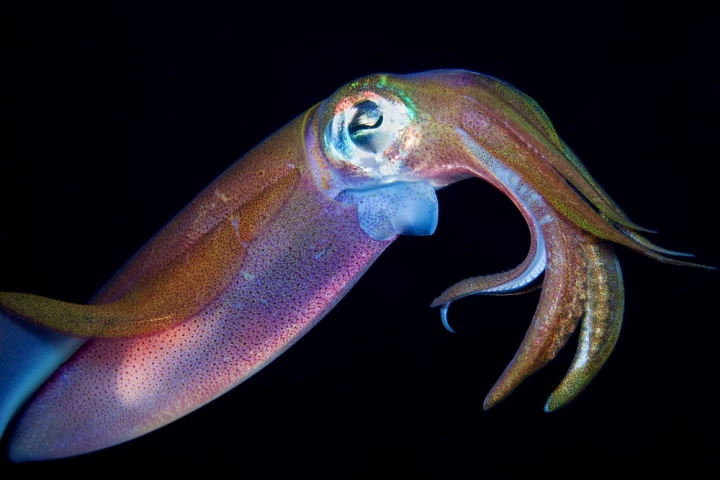 Scientists have long marveled at the squid's ability to sense the color of its surroundings, and then instantaneously change its own skin coloring in order to blend in. One of the latest studies has resulted in a color-changing display that could improve LCD technology.