
Butterfly
-
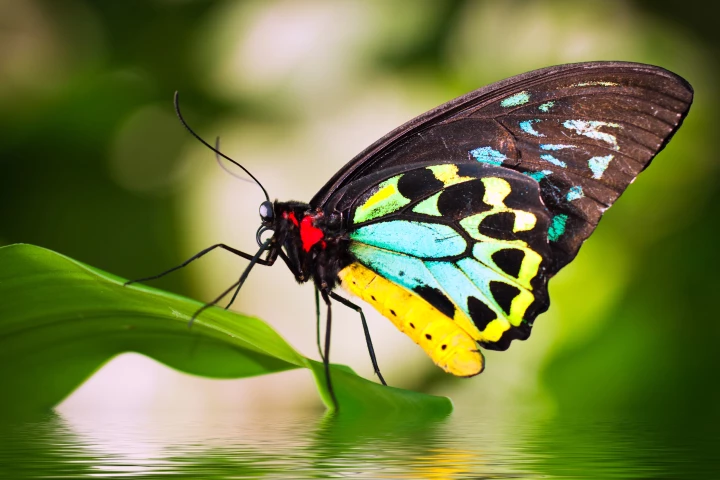 In the 1800s, a conflict between the founding fathers of evolution divided the community. Charles Darwin said sexual selection drove male butterfly looks, while rival Alfred Russel Wallace believed it was just natural selection. Now we have an answer.
 -
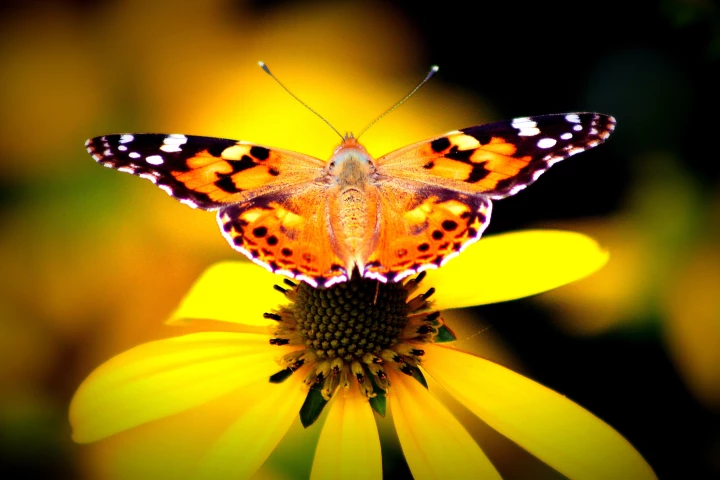 In a first, scientists have found that painted lady butterflies use favorable winds and a strategy of active flying and autopilot to cross the world nonstop. The flight, spanning five-to-eight days, takes up to half the adventurous animals' adult life.
 -
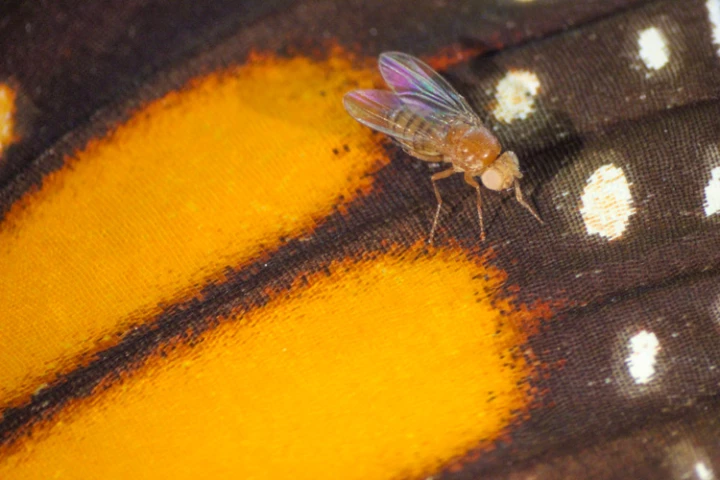 Scientists have used the CRISPR gene-editing tool to give fruit flies a new evolutionary advantage – the ability to eat poison and store it in their bodies.
 -
 The transparent sections of the glasswing butterfly's wings barely reflect any light, which is why we've previously heard about them inspiring glare-free device screens. Now, their antireflective quality has led to an improvement in a glaucoma-monitoring eye implant.
 -
 Two new complimentary studies have utilized CRISPR gene editing technology to explore how specific genes affect wing pattern variation in butterflies. By selectively knocking out single genes and observing the effects, scientists have uncovered a key insight into how broad biodiversity can evolve.
 -
 Researchers from the Karlsruhe Institute of Technology have studied the wings of glasswing butterflies in an effort to determine what causes their low-reflective nature. It's believed that the findings of the study could lead to less reflective screens on mobile phones, tablets and other devices.
 -
 The humble milkweed may be a weed to most, but a company out of Granby, Quebec, is milking the plant for all it’s worth by developing a product for cleaning up oil slicks on land and water from milkweed fibers.
 -
 Researchers at Ohio State University have looked to butterfly wings and sharkskin for inspiration for dirt-resistant surfaces.
 -
 Korean scientists have been able to replicate the reflective qualities of butterfly wings, using tiny glass beads.
 -
By replicating the biotemplate of butterfly wings, researchers hope to be able to make various optically active structures, such as optical diffusers or coverings that maximize solar cell absorption.