
Building and Construction
-
 After sugarcane crops have been harvested, a great deal of waste known as bagasse is left over. That substance has been incorporated into an eco-friendly building material called Sugarcrete, which recently won an international Climate Positive Award.
 -
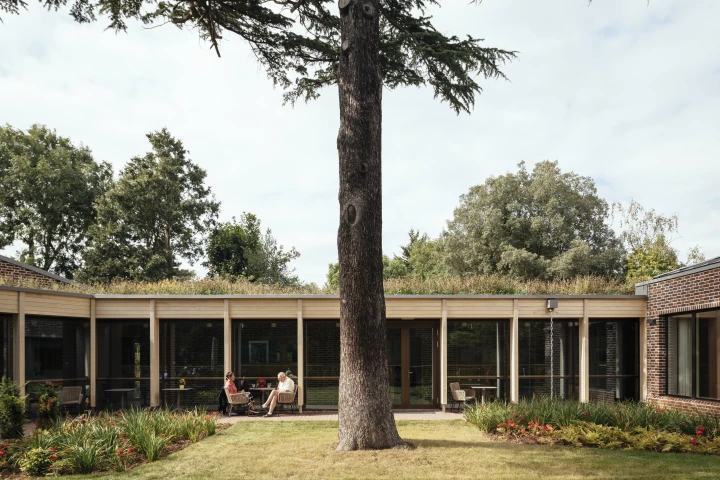 The Royal Institute of British Architects has announced the recipient of the 2023 Stirling Prize, the most prestigious award in UK architecture. Mæ has won for its superb work designing the John Morden Centre, a day care center for elderly people.
 -
 According to some estimates, the generation of the heat used to produce traditional portland cement is responsible for 5% to 8% of all human-made CO2 emissions. A new substance known as C-Crete, however, is claimed to be a much greener alternative.
 -
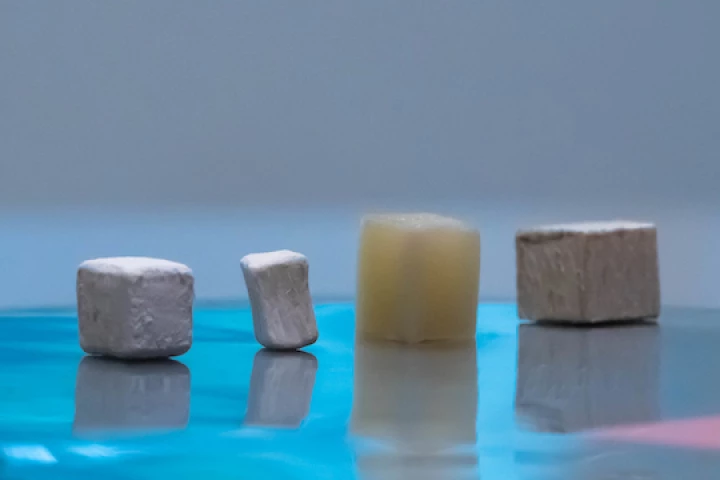 With the world focused on addressing climate change, scientists have had to get creative when it comes to developing sustainable building materials that tackle CO2 emissions. A team has now engineered wood that is stronger and traps carbon dioxide.
 -
 Seeking a passive way to keep buildings cool in hot weather and warmer in the colder months, researchers have developed a new electrochromic shape-shifting material. It switches from solid to liquid and from clear to opaque at set temperatures.
 -
 Changing up the recipe could help roads last longer. Researchers in Australia have now shown another advantage of adding rubber from old tires to asphalt – extra Sun protection that could help roads last up to twice as long before cracking.
 -
 Even though our forests are disappearing at an alarming rate, new wooden structures are typically made of all-new wood. A special computer system could help change that, by facilitating the use of wood reclaimed from existing buildings.
 -
 Wood is becoming an increasingly popular building material, but the timber is harvested mainly just from the long, straight trunks of trees. Aiming to reduce waste, an MIT team has developed a method of also using a tree's load-bearing junctions.
 -
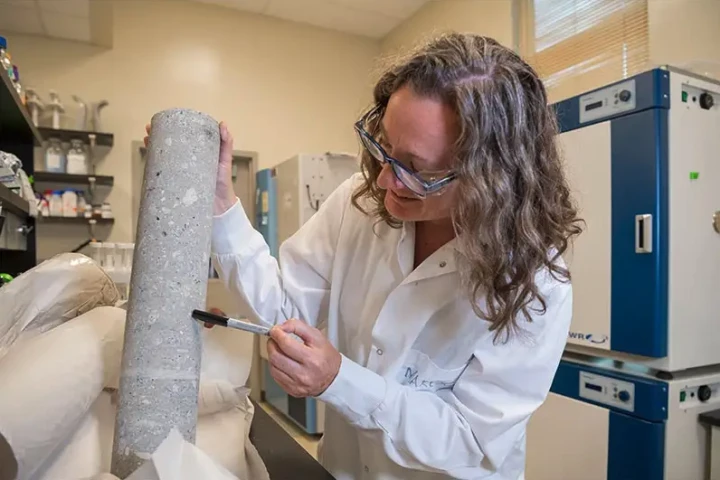 Concrete may not seem welcoming, but bacteria do live inside it. A new study has examined this concrete microbiome to find out how they get there, how they change over time, and how we might use them in future to monitor or even repair defects.
 -
 Scientists in Australia have turned their attention to what human development means for the world’s marine environments, calculating the extent of our construction footprint on the oceans for the first time ever.
 -
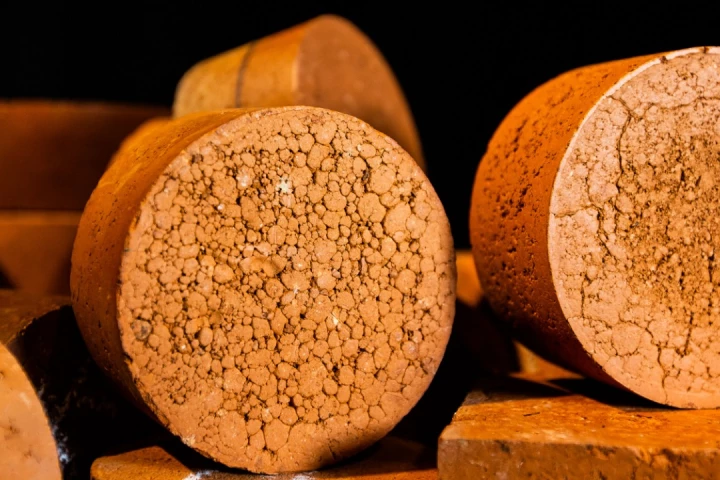 When sewage sludge is processed at wastewater treatment plants, the leftover "biosolid" material is generally dried and set aside. While some of it ends up being used as fertilizer, much is often just stockpiled. Soon, however, it could find its way into eco-friendly fired-clay building bricks.
 -
 The carefully planned Dubai Sustainable City is a reminder that between the towering skyscrapers there is plenty of environmental awareness to be found. As cranes hover at its edges expanding its footprint piece by piece, New Atlas ventured into the desert to see it all from the inside out.
Load More