
British Antarctic Survey
-
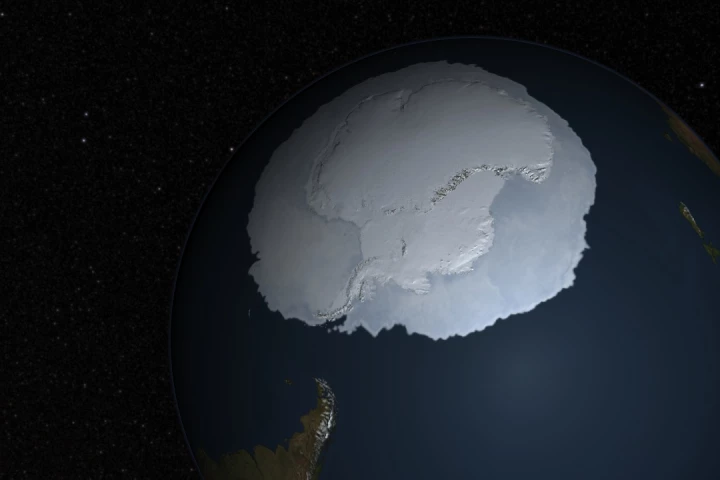 The British Antarctic Survey (BAS) has released the most detailed map yet of what Antarctica looks like when you strip away its ubiquitous cover of ice and snow. Derived from 60 years of data, it will help scientists understand ice flows better.
 -
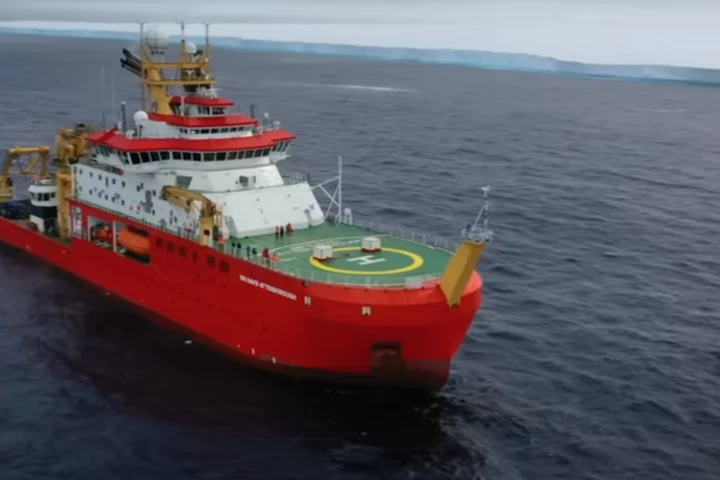 Traffic in the vicinity of Antarctica has become a bit trickier now that A23a, the world's oldest and largest iceberg, has broken free of its watery trap north of the South Orkney Islands and is floating northward on the Antarctic Circumpolar Current.
 -
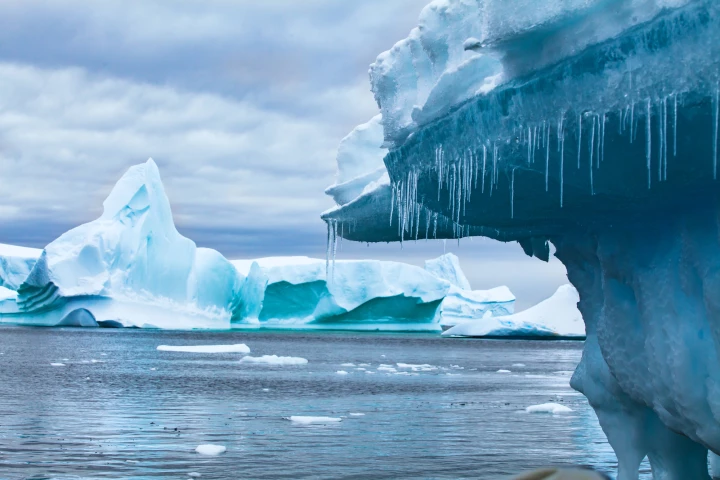 Researchers are using machine learning to analyze satellite radar data to detect icebergs in the Southern Ocean around Antarctica as a way to better understand their life cycle and environmental impact.
 -
 It was only a matter of time, but highly pathogenic avian influence (HPAI) has officially found its way to Antarctica, after dead migratory brown skuas on Bird Island returned positive test results. This leaves just Oceania free of the deadly virus.
 -
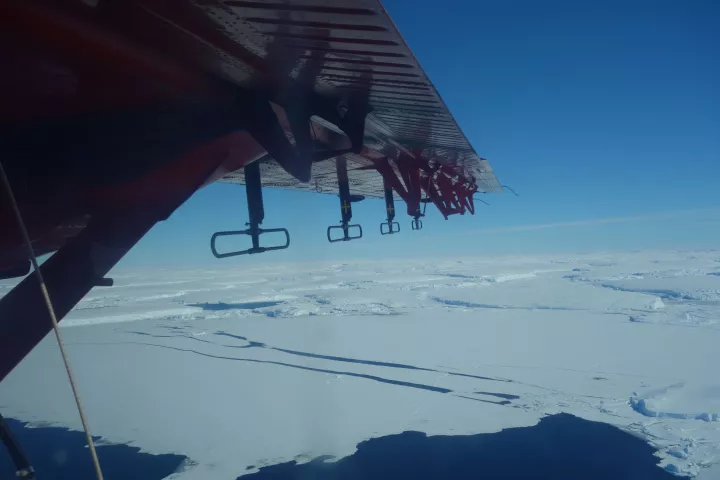 A team from the British Antarctic Survey has completed the first map of the ground beneath West Antarctica's Doomsday Glacier, which is the size of Great Britain and could raise global sea levels by 65 cm (25 in) in the coming centuries as it melts.
 -
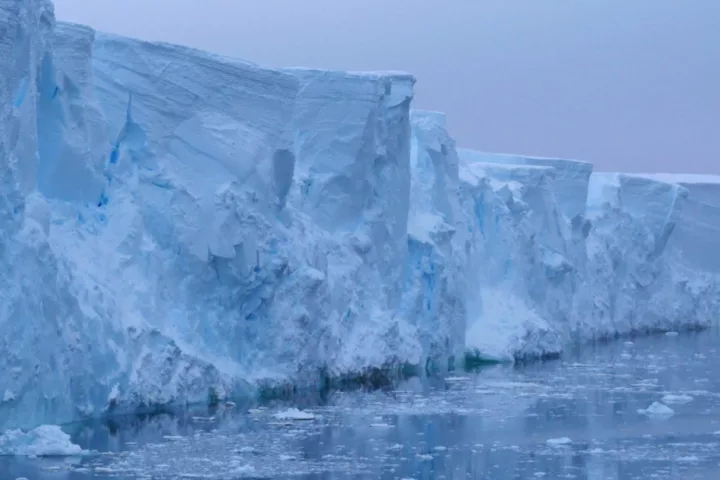 Based on a 25-year record of the Western Antarctic Ice Sheet, a team of scientists led by the British Antarctic Survey (BAS) have shown that changes in snowfall over Antarctica can have significant short-term effects on global sea level rises.
 -
 An international team of scientists and cartographers has released the most detailed map of the seafloor of the Southern Ocean that surrounds Antarctica. It covers 48 million km² and includes the deepest spot yet found in the region.
 -
 The World Meteorological Organization has confirmed the highest temperature ever recorded in Antarctica. On February 6, 2020 at Argentina's Esperanza Base, located on the Antarctic Peninsula, a maximum temperature of 18.3 °C (69.9 °F) was reached.
 -
 The mega-berg that last year threatened one of the world's largest marine nature reserves is no more. Measuring an incredible 2,187 square miles when it broke off Antarctica in 2017, iceberg A-68a has now disintegrated into fragments too small to track.
 -
 An iceberg covering some 490 square miles has broken away from the Brunt Ice Shelf, only a few miles from the Halley British Antarctic Survey ice station. Though the calving of the giant iceberg was dramatic, it wasn't unexpected.
 -
 The giant iceberg A-68a is likely to ground itself in the shallows of South Georgia island, so a scientific expedition is getting ready to visit the site to determine the impact of the event on the local ecology using underwater glider robots.
 -
 Satellite images indicate that an iceberg 158 km long and 48 km wide is floating towards the island of South Georgia in the southern Atlantic, where it could cause damage to the local wildlife, including penguins and seals, if it runs aground.
Load More