
Brewing
-
 Coffee is one of the most widely consumed psychoactive substances on the planet, yet despite more than two billion cups being drunk each day, its impact on heart health remains surprisingly complex – and often misunderstood. This year we got answers.
 -
 The method used to brew coffee can significantly affect levels of natural cholesterol-raising compounds called diterpenes, according to a new study. It might be that the way your coffee is made is affecting your heart health.
 -
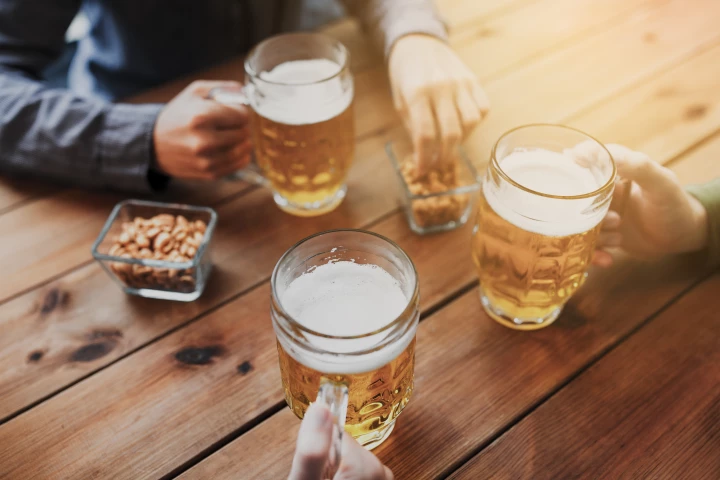 Ever dropped a peanut in a glass of beer? If not, researchers say you're missing out, as it triggers an unusual interaction that temporarily defies the principle of buoyancy. We believe the hypothesis was rigorously tested with repeat experiments.
 -
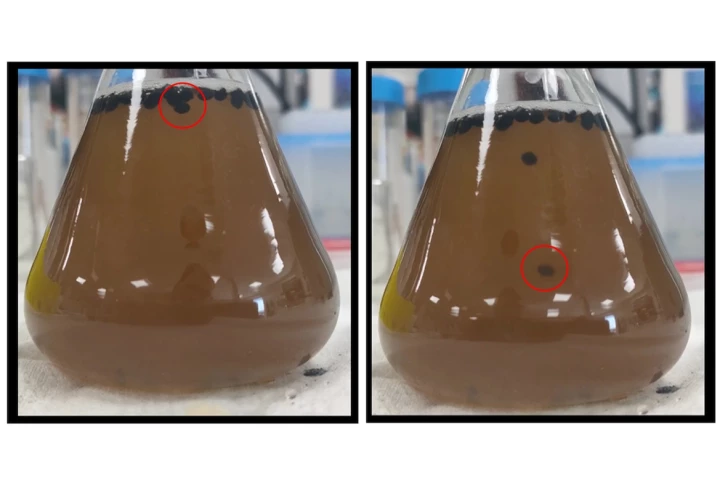 The longer it takes to brew a batch of beer, the greater the chances of microorganisms getting in and ruining the whole thing. In order to speed up and simplify the process, scientists have developed tiny BeerBots.
 -
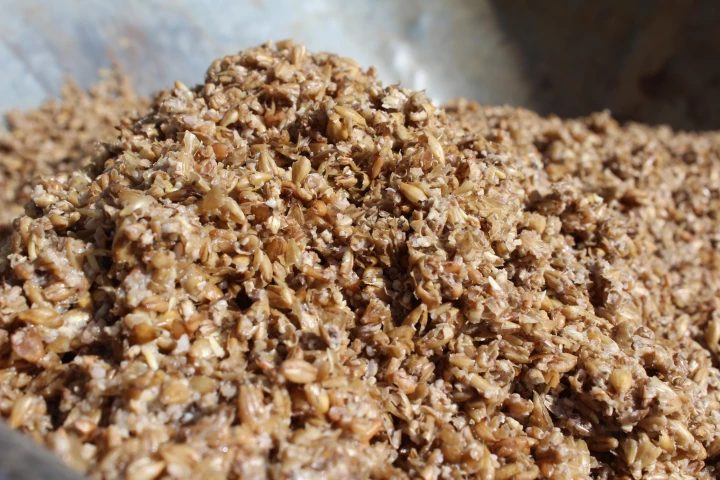 The brewing of beer produces great quantities of leftover grain, which often ends up being processed into cattle feed. Scientists have developed a new method of extracting the protein and fiber from that waste, however, for use by humans.
 -
 Doctors are reporting a bizarre case of a woman who urinates alcohol. The woman showed none of the other regular signs of excessive alcohol consumption, leading them to conclude that yeast in her bladder was brewing the booze.
 -
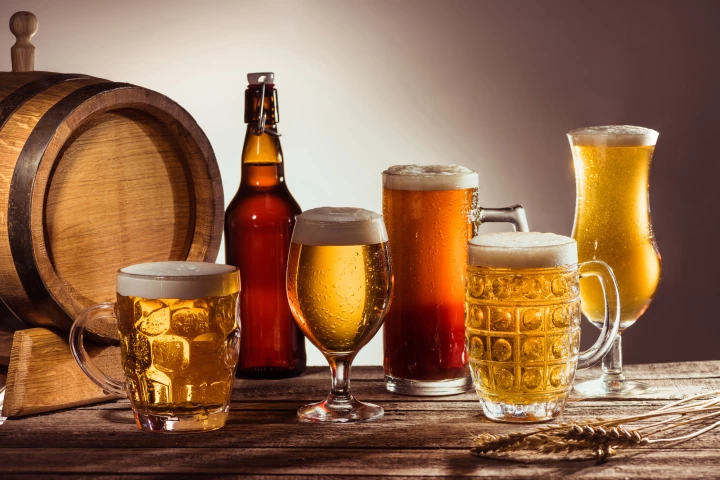 Nothing ruins a session like stale beer, but it’s a common problem. Now researchers from Jiangnan University have found a way to keep beer fresher for longer, by genetically engineering lager yeast to produce certain compounds that slow staleness.
 -
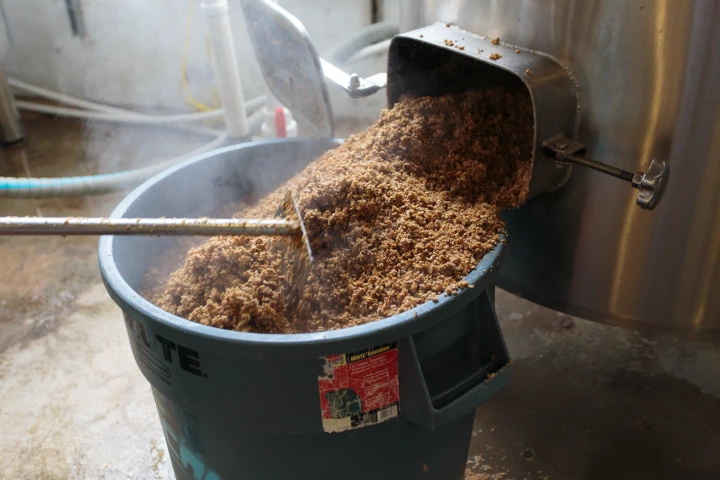 According to Queen's University Belfast, EU breweries dispose of about 3.4 million tons of spent grain every year. That could be about to change, though, as scientists at the university have created a method of converting that waste into charcoal.
 -
 The Ocean Cleanup barge is currently on its way to tackle the Great Pacific Garbage Patch, but it never hurts to find ways to reduce plastic before it gets into the sea. In that vein, Danish beermaker Carlsberg has announced the Snap Pack, a simple alternative to plastic six-pack rings.
 -
 A few years ago, Stanford professor Li Liu discovered a beer recipe, and now her students have brewed it for the first time. What’s the big deal? This recipe is over 5,000 years old, and represents the earliest direct evidence of beer-brewing in China. The results were reportedly mixed.
 -
 Japan’s Sapporo Breweries is launching the world’s first beer produced using malt made 100 percent from “space barley,” which is the fourth generation descendant of the Haruna Nija malting barley that was kept in space for five months during 2006.