
Blindness
-
 Researchers at Switzerland’s EPFL have created a new neurotherapy that vastly and non-invasively improves vision for patients with hemianopia-related vision loss. Previously, patients suffering from the condition simply had to learn to live with it.
 -
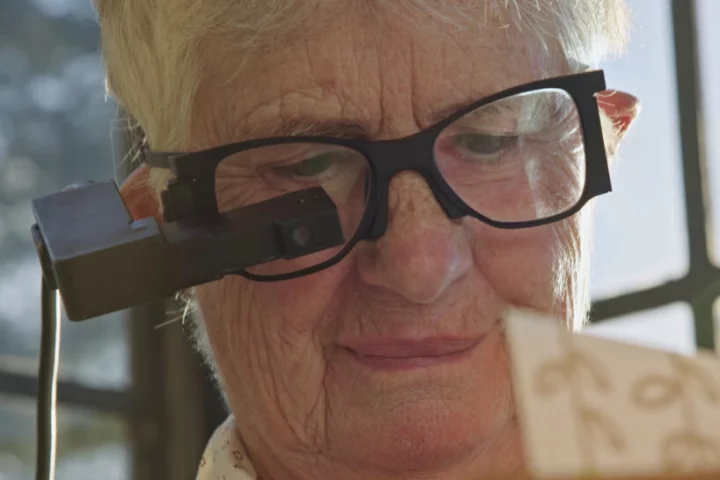 Stanford researchers and global collaborators have developed a wireless retinal implant called PRIMA that's helping people with untreatable eyesight loss see not just light, but actual shapes and patterns – what scientists call form vision.
 -
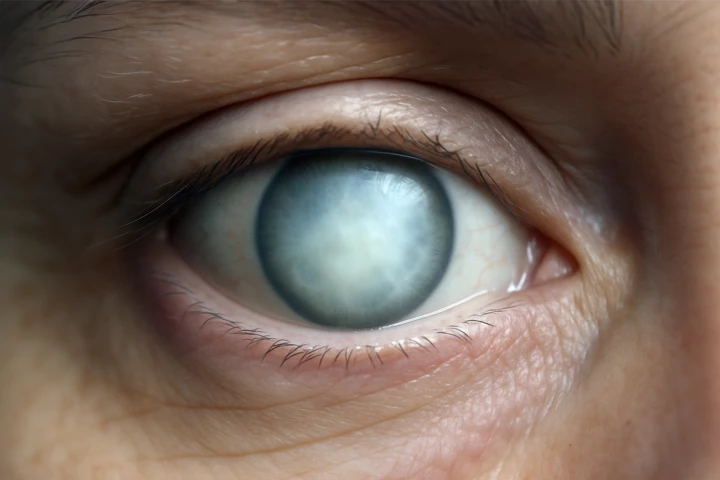 A tiny implant that beams images straight to the retina, bypassing a damaged cornea altogether, could give sight back to millions living with corneal blindness – no donor tissue required. Human trials may be underway in as little as two years.
 -
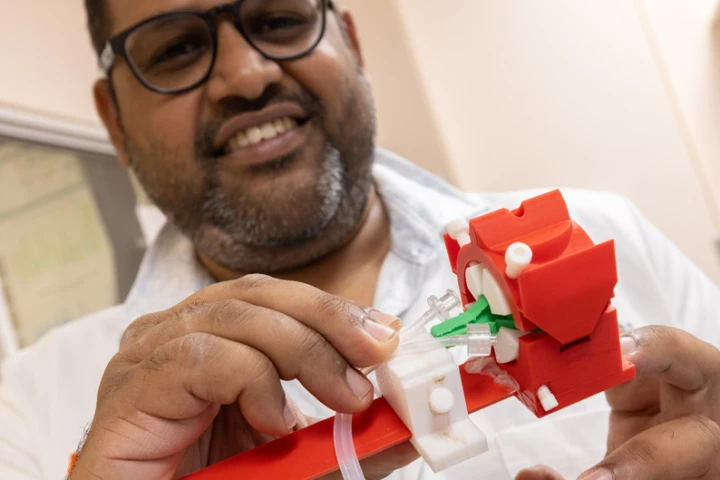 Despite what some movies may suggest, it's currently impossible to transplant functional, seeing human eyeballs. Scientists are taking a big step in that direction, however, with the development of an eye-transplant device known as the eye-ECMO.
 -
 A breakthrough treatment has allowed damaged retinal cells to regenerate themselves. The current research has been conducted on mice, but the pathways are the same in humans, which opens hope for a new way to treat certain kinds of blindness.
 -
 High blood sugars have long been known to cause eye damage in diabetics. However, new research has found that low blood sugar may also contribute. The good news is that it also identified a way of preventing or treating the damage.
 -
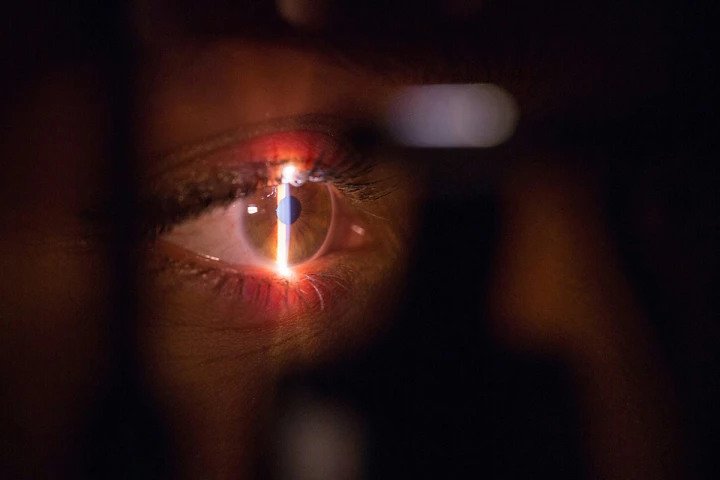 A surgical procedure to restore the power of sight to blind patients using their teeth is gaining traction around the world, with Canada opening its first clinic for this treatment. Here's how Osteo-odonto-keratoprosthesis works, and who it's for.
 -
 Eye injuries that damage the cornea are usually irreversible and cause blindness. But a new clinical trial has repaired this damage in patients thanks to a transplant of stem cells from their healthy eyes.
 -
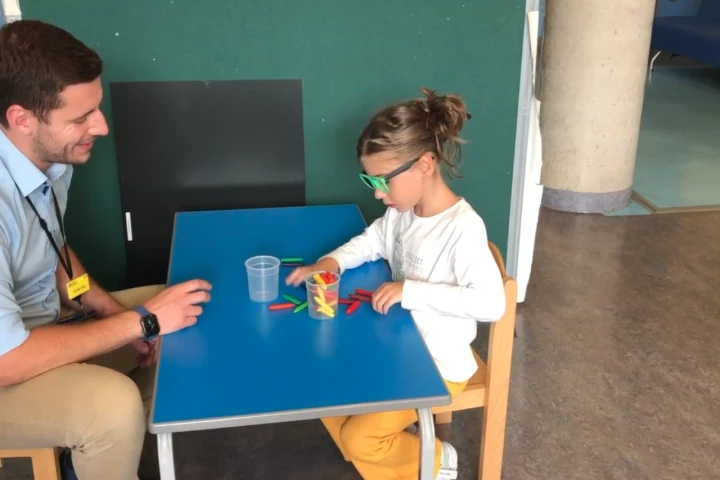 Scientists in the UK have successfully used gene therapy to restore some vision to legally blind children with an inherited retinal condition. All 11 children in the clinical trial saw improvements within weeks of a single surgical treatment.
 -
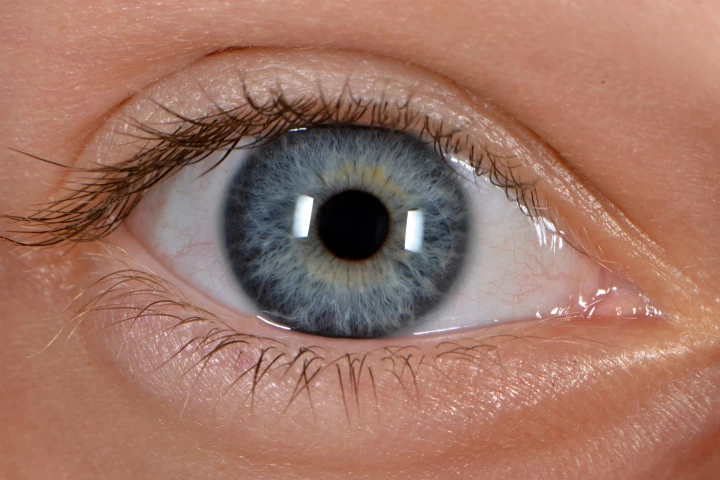 New research found that elevated levels of ‘good cholesterol’ were associated with an increased risk of glaucoma, which can lead to vision loss. The findings call for reconsidering the hypothesis that good cholesterol universally benefits health.
 -
 Being prescribed semaglutide for diabetes or weight management is associated with an increased risk, up to seven times, of developing a relatively rare form of untreatable blindness, sometimes referred to as an 'eye stroke,' a new study has found.
 -
 CRISPR gene-editing has improved the vision of patients with a form of blindness in a Phase 1/2 clinical trial. The results give new hope to patients with the condition, and show that CRISPR could be put to use in humans to treat a range of conditions.
Load More