
Blind
-
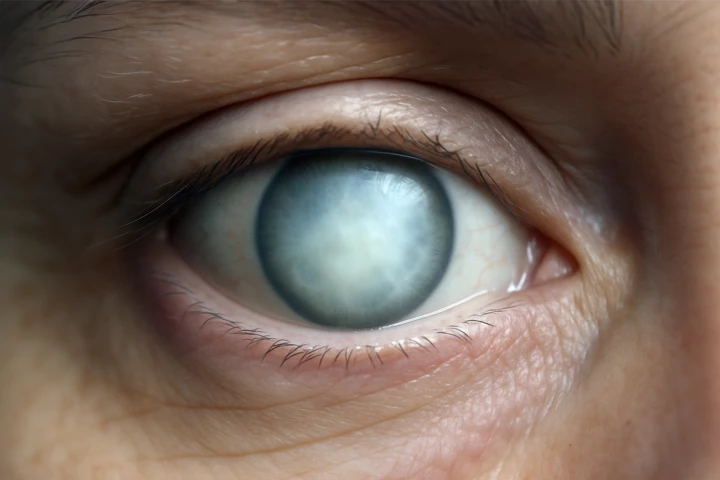 A tiny implant that beams images straight to the retina, bypassing a damaged cornea altogether, could give sight back to millions living with corneal blindness – no donor tissue required. Human trials may be underway in as little as two years.
 -
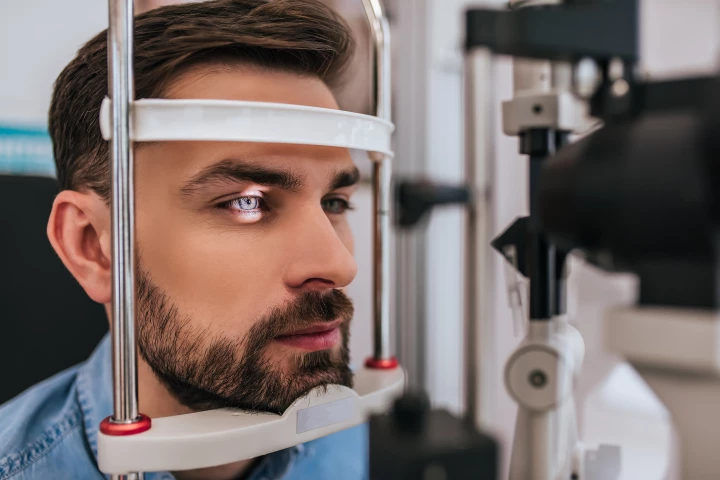 A breakthrough treatment has allowed damaged retinal cells to regenerate themselves. The current research has been conducted on mice, but the pathways are the same in humans, which opens hope for a new way to treat certain kinds of blindness.
 -
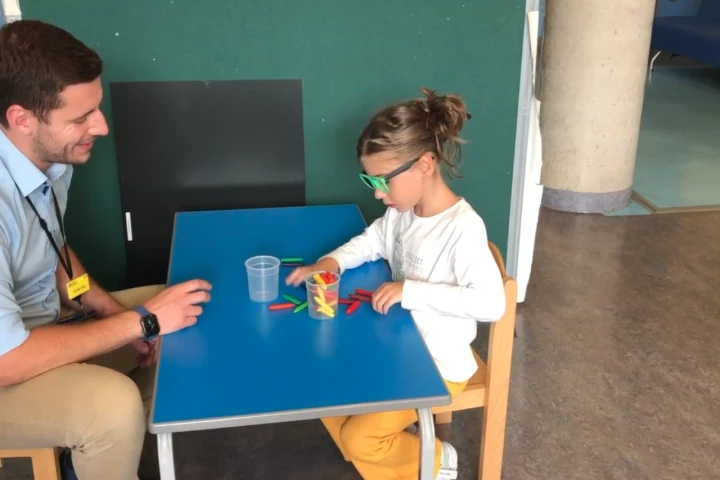 Scientists in the UK have successfully used gene therapy to restore some vision to legally blind children with an inherited retinal condition. All 11 children in the clinical trial saw improvements within weeks of a single surgical treatment.
 -
 A clever new set of glasses may offer new hope to people with macular degeneration. By copying the structure of a fly's eyes, the specs are claimed to "fill in" the missing section of the wearer's view of the world.
 -
 CRISPR gene-editing has improved the vision of patients with a form of blindness in a Phase 1/2 clinical trial. The results give new hope to patients with the condition, and show that CRISPR could be put to use in humans to treat a range of conditions.
 -
 Neuroscientists have shown that blind people recognize basic faces using the same brain regions as sighted people – even if the face shapes are delivered as audio rather than through the visual cortex – in an interesting look into neuroplasticity.
 -
 There's a belief that when someone loses one ability, another improves correspondingly. New research bears this out – in one scenario, at least – as it indicates that blind people remember spoken information better than their sighted counterparts.
 -
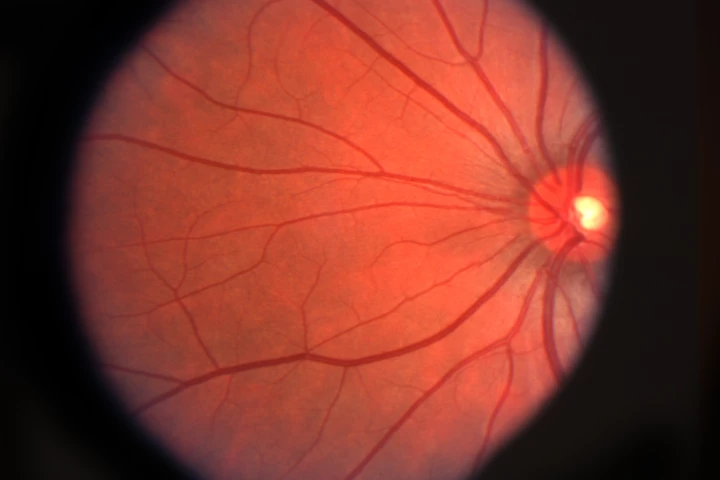 Spanish researchers have created a new potential treatment for age-related macular degeneration, which is currently untreatable – a biohybrid artificial retina, made of silk and loaded with new human cells that can integrate and repair the damage.
 -
 New technologies could play a vital part in improving how the visually impaired navigate their day-to-day lives. Ideas like connected walking canes and high-tech glasses are gathering some real momentum, as are smart bands like the Sunu launching this month.
 -
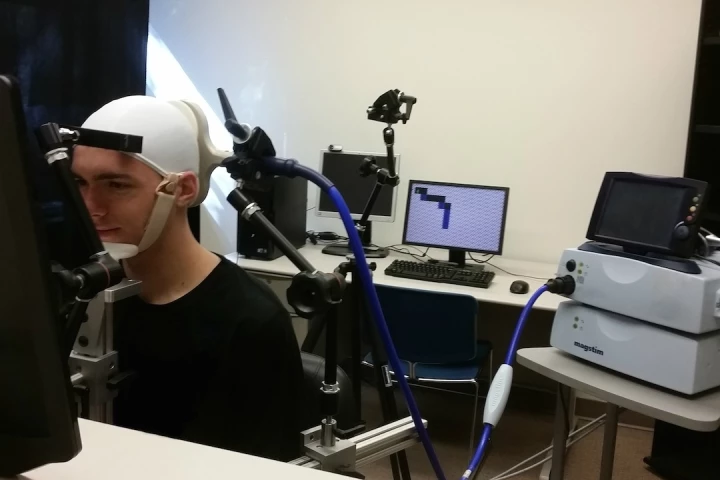 Participants in a study have successfully played through a video game without ever actually looking at it. They were guided through virtual mazes via direct brain stimulation, which could lead to sensory prosthetics to help visually-impaired people navigate or provide a new way to interact with VR.
 -
 The mySmartCane system is the latest modern-day take on a centuries-old mobility aid, consisting of a ball that can be retrofitted to existing canes to equip them with parking sensor-like technology and give users a better sense of their surroundings.
 -
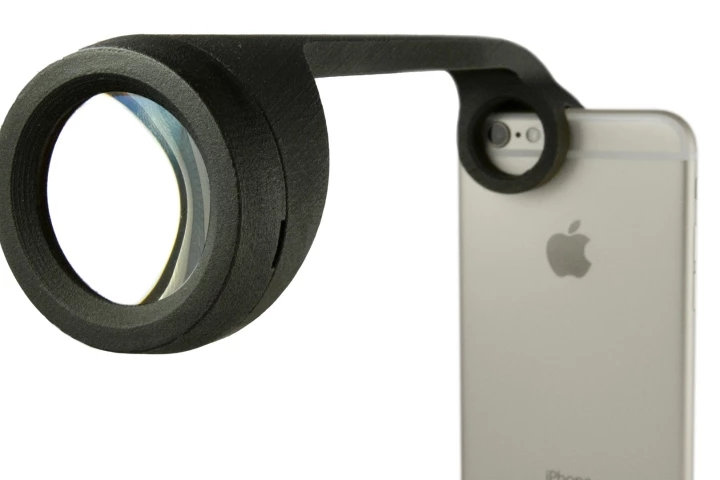 Visual impairment and blindness is an extremely widespread issue that affects an estimated 285 million people across the globe. oDocs Eye Care is hoping to put a dent in those numbers, producing low-cost, portable eye examination accessories designed to harness the power of the iPhone.
Load More