
Bioprinting
-
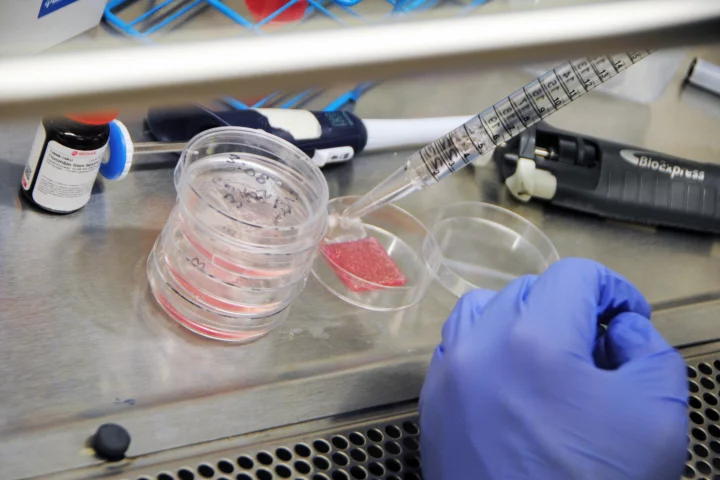 For the first time, scientists have combined six primary skin cell types with hydrogels to ‘print’ a thick, multilayered skin that, when transplanted, successfully integrated with surrounding tissue to heal wounds more rapidly and with less scarring.
 -
 In a major step towards creating new organs on demand to alleviate donor waitlists, Stanford scientists have now received a contract and funding for experiments to 3D print human hearts and implant them into live pigs.
 -
 There may soon be new hope for patients born with genetic defects that leave them with misshapen or missing ears. A new human clinical trial will test an implant known as an AuriNovo, which uses a 3D-bioprinted ear grown from the patient’s own cells.
 -
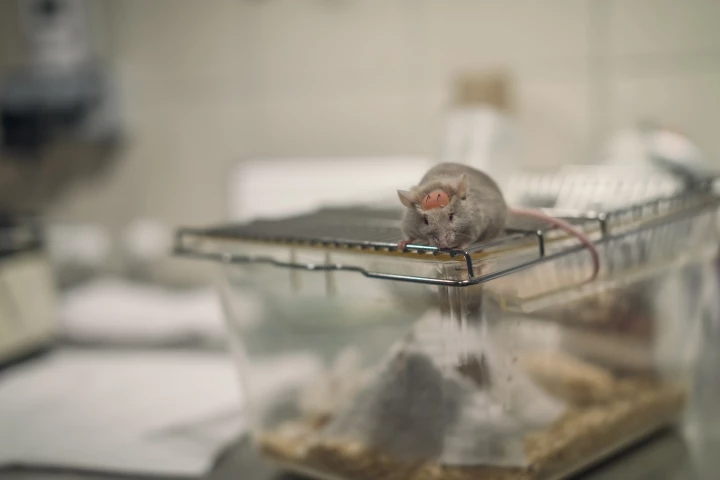 Scientists have developed a new way to patch up injuries by 3D printing both hard and soft tissues at the same time, using two different “bioinks.” In tests on rats, the team was able to repair holes in the skulls and skin of the rodents in minutes.
 -
 Human knees are notoriously vulnerable to injury or wearing out with age, often culminating in the need for surgery. Now researchers have created new hybrid bioinks that can be used to 3D print structures to replace damaged cartilage in the knee.
 -
 Scientists at the University of Toronto have spent years developing a portable device that can print out large sheets of "bio ink" to boost the healing process from severe burns, and have just proved its abilities in pigs for the first time.
 -
 The distant scientific objective of 3D printed human organs has now grown a little bit closer, with researchers at Carnegie Mellon University reporting a breakthrough that enabled the printing of full-scale heart components that in some cases functioned similarly to the real thing.
 -
 To help patch up large wounds that might normally require a skin graft, researchers at Wake Forest Institute for Regenerative Medicine (WFIRM) have developed a new bioprinter that can print dual layers of a patient’s own skin directly into a wound.
 -
 A root canal can be a lifesaver for an infected tooth, but the process does involve cutting off the blood supply. Scientists have now come up with a way to fabricate new blood vessels in teeth, which may help them to regain important functionality.
 -
 Researchers have taken a sizeable stride towards future of 3D-printed tissue, working with a newly-developed machine to produce human-scale muscle structures that matured into functional tissue after being implanted into animals.
 -
 Italian research studio Mhox's EYE concept could see a future where people replace their natural eyes with technologically-enhanced bioprinted ones that provide greater visual acuity as well as added features such as Wi-Fi and Instagram-like filters.
 -
 When we hear about projects that may someday make it possible to create internal organs on demand, they usually incorporate 3D bioprinting. While the technology definitely holds a lot of promise, a device known as the BioP3 could give it a run for its money.
Load More