
Biomimicry
-
 Human-woven "beaver dams" do more than store water. They help waterways recover from climate alteration, lower water temperatures, enhance flood plain connections prevent wildfire spread, and generate increased biodiversity.
 -
 From water-skipping robots to elephant-skin inspired cooling materials, engineers have continued to find inspiration in nature in order to move technology forward for humans. And it's set to take center-stage in the new age of robotics.
 -
 The water leaving your washing machine may soon be a lot more eco-friendly, thanks to the anchovy. A filter inspired by the tiny fish could remove microplastics from the outgoing water, keeping them from entering local waterways.
 -
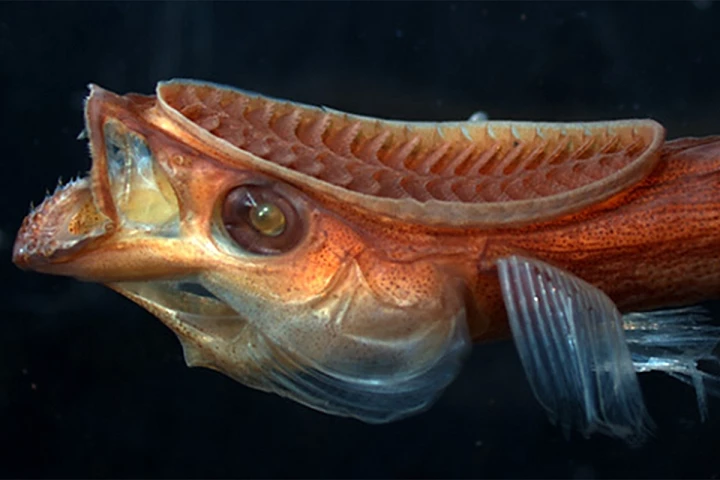 The Remora fish has an oval slatted disc on its head which it uses like a suction cup to stick to sharks. It's inspired a capsule-sized platform that can stick to surfaces when submerged in liquids, including your digestive tract.
 -
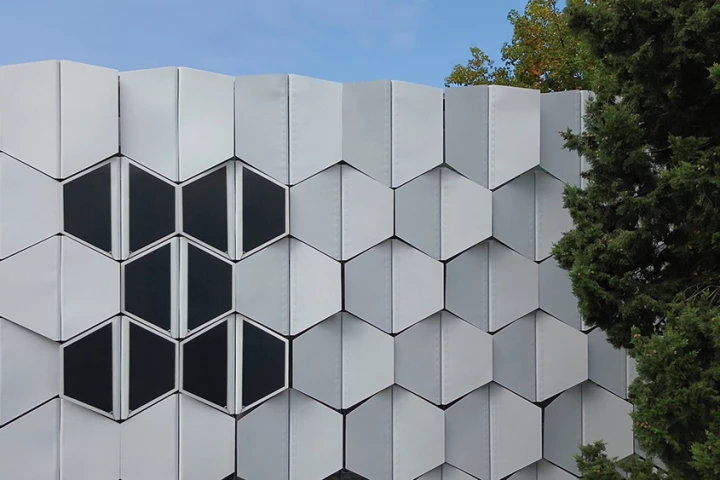 Nobody likes buildings that are too hot in the summer or too cold in the winter. That's where the FlectoLine facade comes in, as it uses two bio-inspired mechanisms to regulate how much solar thermal energy gets through a building's windows.
 -
 You may think that if a species died out millions of years ago, its design would be too old to have any applications in our technology. A new analysis of pterosaur bones, however, suggests that they could inspire lighter, stronger aircraft materials.
 -
 A study suggests that a certain salamander may be able to control its grip on trees' bark by pumping blood in and out of the tips of its toes. This strategy could one day be copied in human technology such as prosthetic hands and reusable adhesives.
 -
 Even if you don't know what 3D microfluidic networks are, that doesn't change the fact that they have some very valuable possible uses. Scientists have now devised a much easier method of making the things, by taking casts of plant roots.
 -
 If you're a surfer who doesn't want to be attacked by great white sharks, your surfboard should be as dark and stealthy as possible … right? Perhaps not, as a new Australian study suggests that a lit-up board may be better at keeping the sharks away.
 -
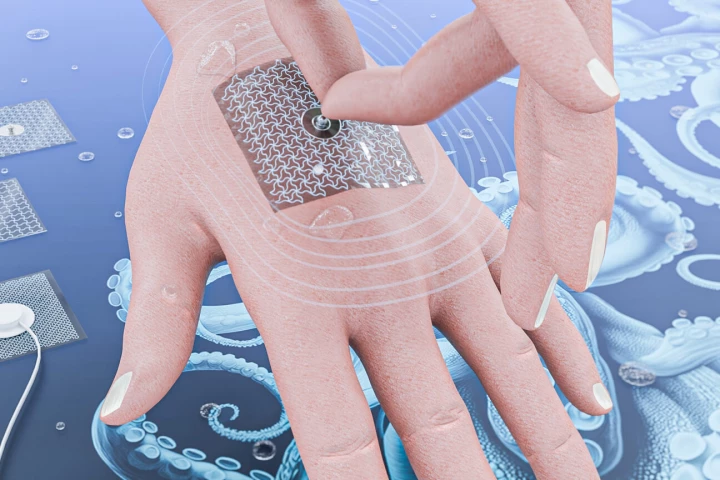 Sensors such as EEG electrodes can help save a person's life, but the adhesive patches used to attach them may also harm that person's skin. An experimental new medical patch addresses that issue by utilizing octopus-inspired suckers.
 -
 Scientists have replicated the seed-delivery system used by wild oats, resulting in a seed-carrying bio-hybrid "robot." Scores of the tiny devices could one day be utilized for much easier, more effective aerial seeding of crops or even new forests.
 -
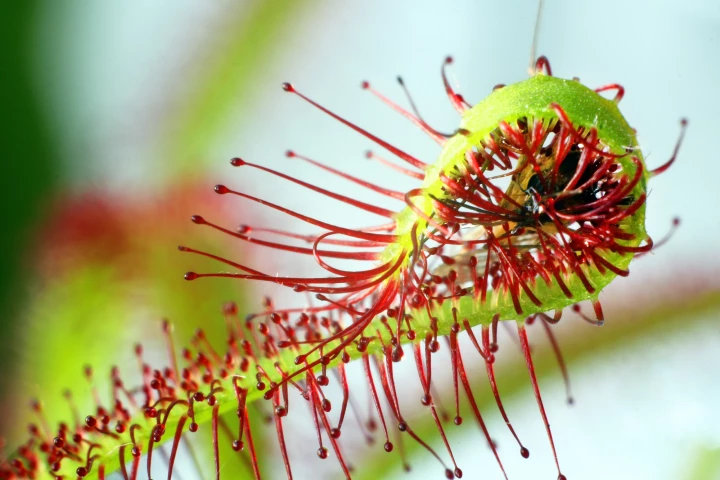 Inspired by a carnivorous plant, scientists have created a sticky spray that could kill pest insects as effectively as traditional toxic pesticides. And what's more, it's derived from plain ol' vegetable oil.
Load More