
Biomimetic
-
 Researchers regenerated damaged bone in mice by creating a scaffold that combines a piezoelectric framework and the growth-promoting properties of a naturally occurring mineral. The novel “bone bandage” has wide-ranging potential applications.
 -
 Avoiding eating your favorite ice cream because you don’t want to experience the pain caused by sensitive teeth may soon be a thing of the past, with researchers offering a. long-term fix by developing a novel way of rebuilding lost tooth minerals.
 -
 Inspired by the wings of dragonflies and cicadas, researchers have developed a new coating for orthopedic implants. It not only shreds harmful bacteria, but also monitors stress on the system, meaning it could warn of impending implant failure.
 -
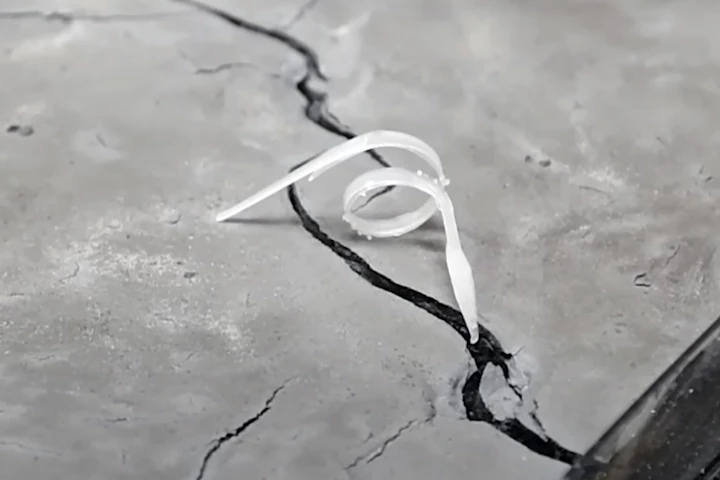 Italian researchers have created a novel 4D-printed biodegradable 'seed robot' that changes shape in response to changes in humidity and can navigate through the soil. The device has great potential as a new way of monitoring the environment.
 -
 Scientists in Australia have developed a jelly-like material with many of the properties of living tissue. A form of a hydrogel, it is self-healing, very strong and can change its shape – allowing it to mimic skin, ligaments, and bone.
 -
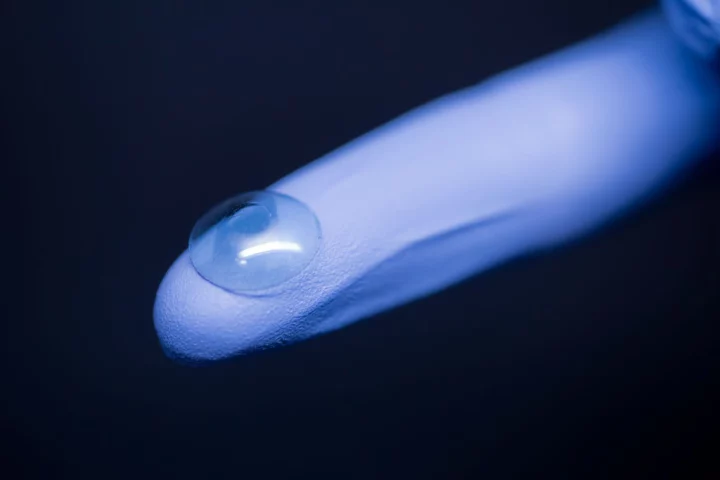 Scientists have developed a germ-repelling synthetic polymer inspired by the antibacterial powers of insect wings, which they say could form the basis of resilient new types of eye implants.
 -
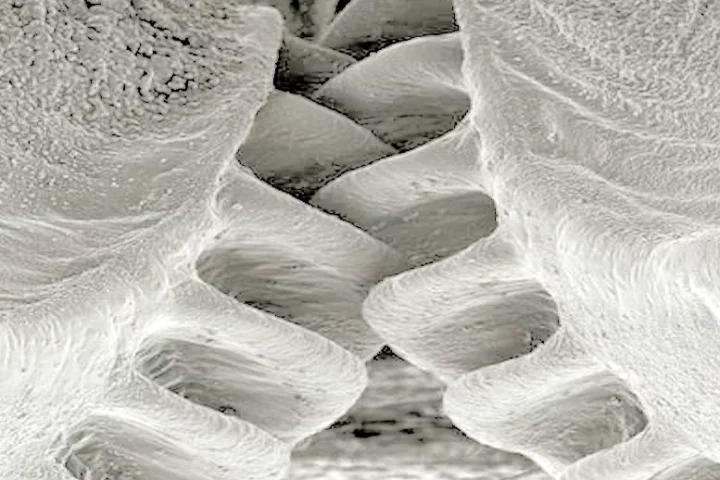 Among the mechanical components not found in nature is the spur gear. That is, until now. Zoologists at Cambridge have found gear-like linkages between the two jumping legs of a species of juvenile leaf-hopper. These gears help synchronize the legs during a jump.
 -
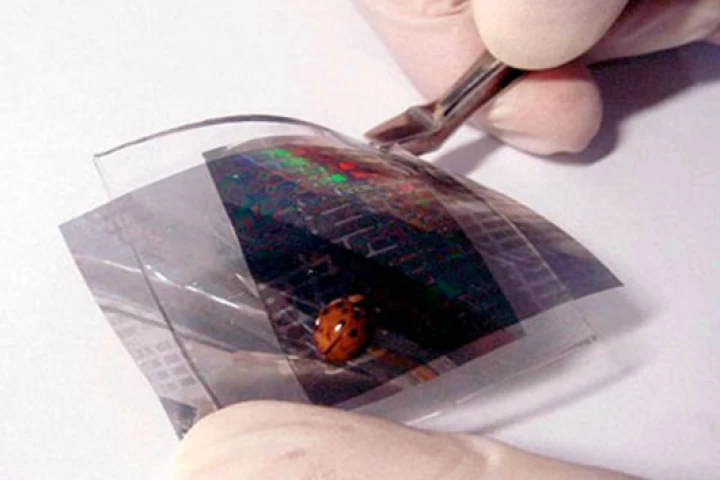 Seoul National University’s Multiscale Biomimetic Systems Laboratory has developed a new biomimetic “electronic skin” that is inexpensive, yet sensitive enough to “feel” a drop of water.
 -
 Korean scientists have been able to replicate the reflective qualities of butterfly wings, using tiny glass beads.
 -
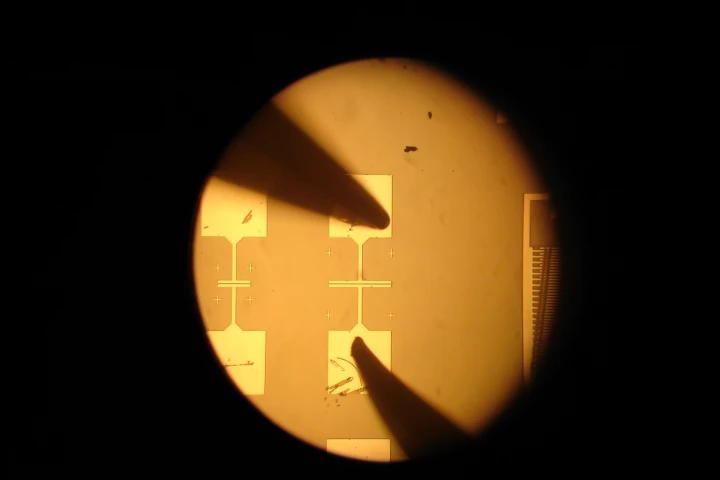 Researchers have created a circuit that mimics the function of a synapse in the human brain, that could someday be used in the creation of a synthetic brain.
 -
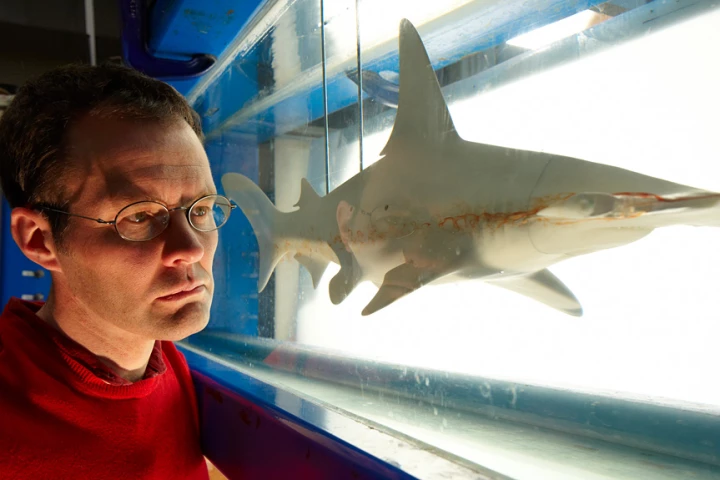 British scientists are studying sharks' sense of smell, with an eye toward advances in human technology.