
Biometrics
-
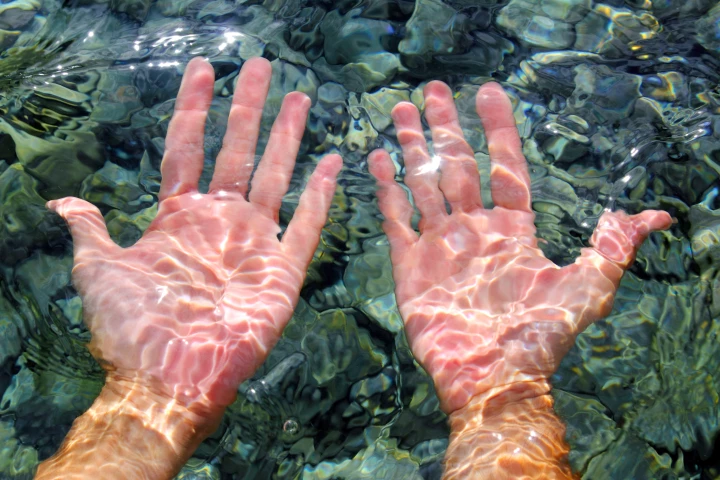 A question from a curious kid quickly led a team of scientists down a research rabbit hole – one that has now culminated in fascinating new knowledge about our water-wrinkled fingertips. And there's more to this discovery than a cool piece of trivia.
 -
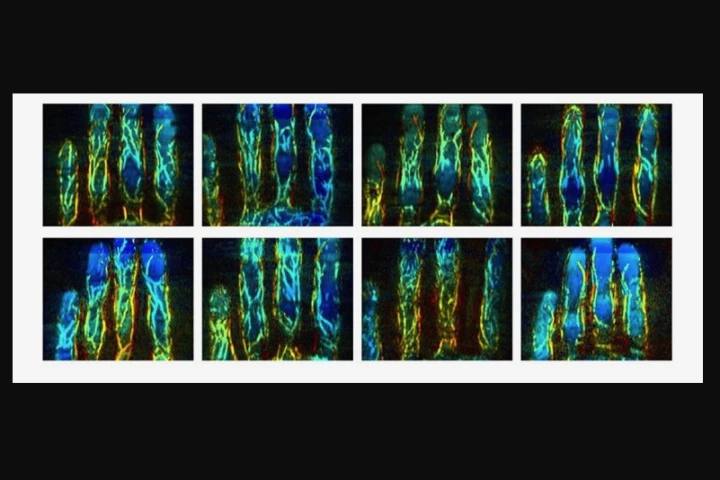 It sometimes seems that as soon as another form of biometric ID authentication is developed, someone devises a way of fooling it. According to its creators, however, a new 3D finger vein-scanning system cannot be duped.
 -
 Might it be possible that someday, an official might get you to dance around in order to confirm that you're really you? Perhaps not, but nonetheless, a study has determined that people's identities can be matched to their unique style of dancing.
 -
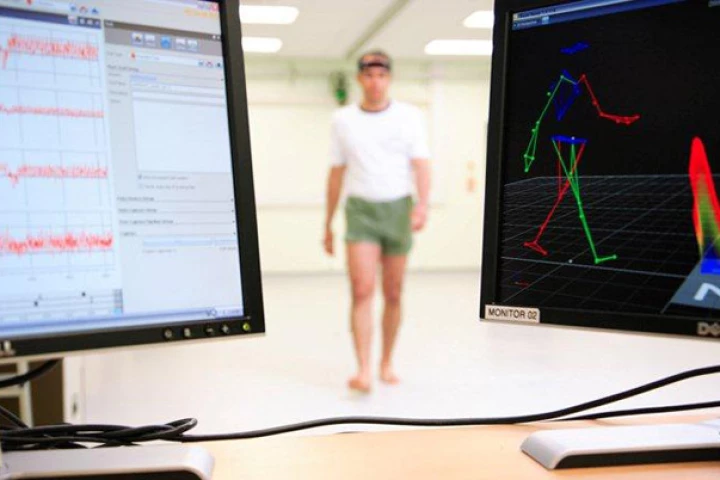 Clinicians soon may be able to accurately diagnose what kind of dementia patients are suffering from by studying their unique walking patterns.
 -
 Have you ever said of a person, "You can see it in the way they walk"? Well, if it was their identity that you were referring to, then you were right. To that end, scientists have now created an artificial intelligence-based system that identifies people via their footsteps.
 -
 Most fingerprint scanners are usually effective, although they can fail to read prints that have been flattened by age or damaged, plus they can be fooled by gelatine casts of fingerprints. That’s why scientists have developed a more reliable scanner, that looks below the skin's surface.
 -
 There are already several methods of identifying cattle – branding, ear tags, tattooing and ear notching all come to mind. Now, however, Egyptian scientists are working on a new biometric system that's less invasive and more difficult to thwart: electronic muzzle-printing.
 -
 Move over, fingerprints and iris scans, because a new form of biometric identification may soon be joining you – body odor. According to Spanish scientists, peoples' unique BO signatures remain steady enough over time to allow for an ID accuracy rate of approximately 85 percent.
 -
 Scientists have developed a system in which a scan of the blood vessels within a person's face could be used to verify their identity.
 -
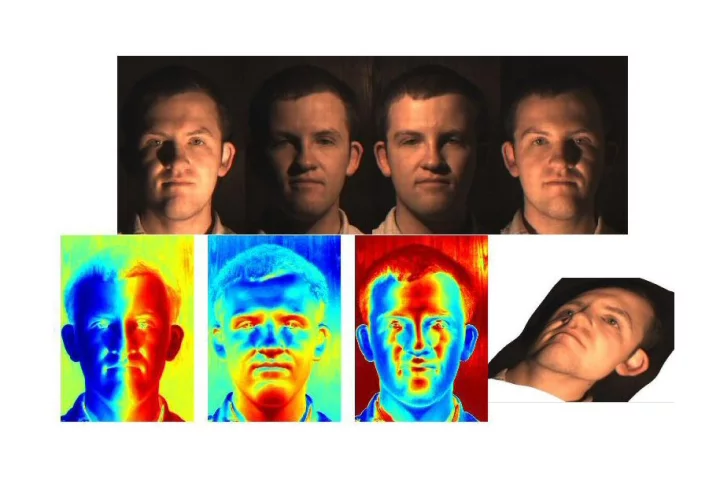 Researchers from the University of Bath have developed a system that can identify different individuals by looking for variations in the shape of the nose
 -
 Lockheed Martin has received a ten-year, $1 billion contract from the FBI to develop and maintain the Next Generation Identification system, which will expand fingerprint capacity to double the size of its current database, and incorporate palm print, iris, and facial recognition capabilities.
 -
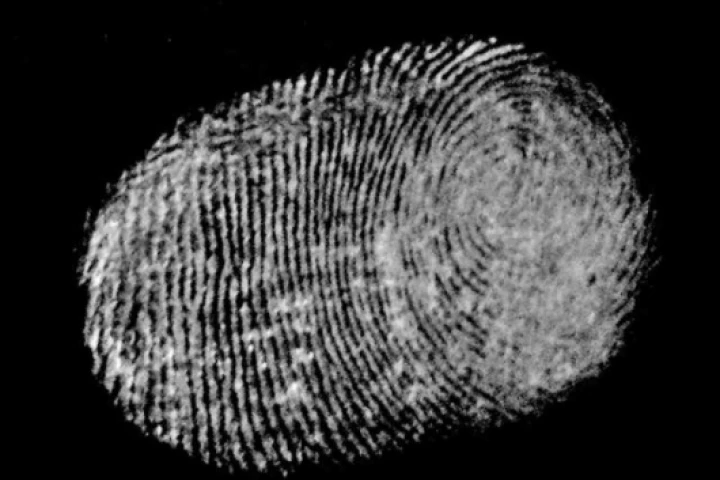 Researchers at the University of Warwick in the UK have devised a way of recognizing distorted or partial fingerprints in just a few seconds.