
Biodegradable
-
 Paying respect to the dead can be an eco-unfriendly matter, whether opting for a wooden coffin or cremation. Instead, Loop Biotech has found a way to save forests and reduce CO2 emissions with the Loop Living Cocoon, a mushroom-based casket.
 -
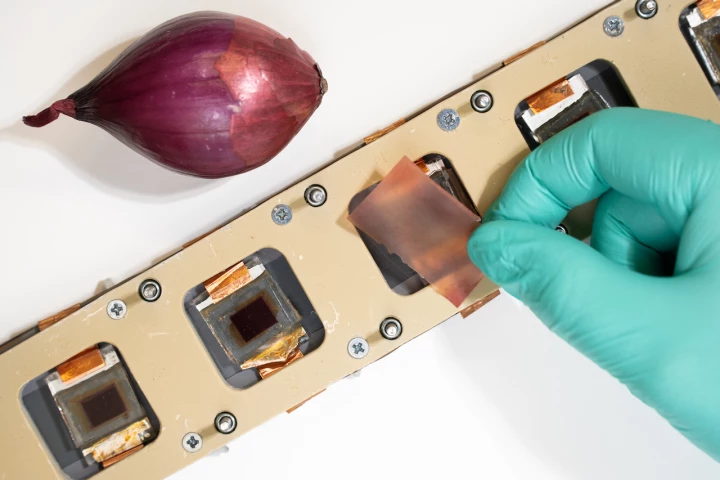 Solar cells are subjected to a lot of harmful ultraviolet light, as they're typically placed for maximum sunlight exposure. A new eco-friendly coating could help protect them from those UV rays, and its active ingredient is extracted from onion skin.
 -
 Researchers have spent the last few years trying to find which type of plastic biodegrades the fastest. It turns out that a common plastic we've been using for over 100 years does, and they've learned how to accelerate that process.
 -
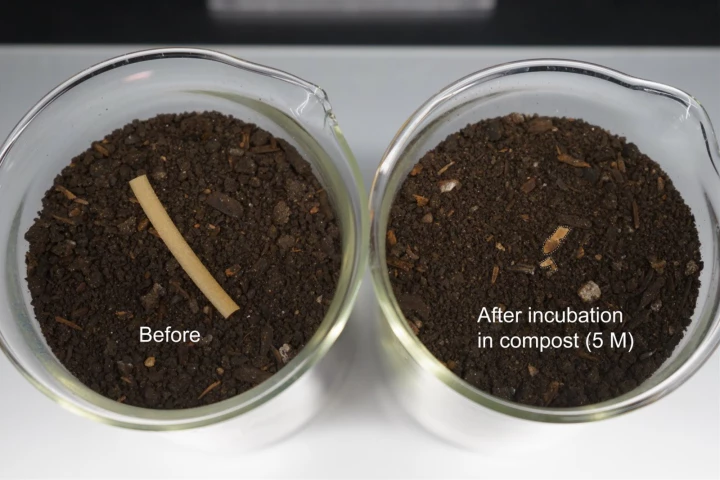 A new biodegradable plastic embedded with spores of plastic-eating bacteria manages to break down 90% of the material after five months in landfill. Weirdly, this actually made the plastic tougher and stronger during use.
 -
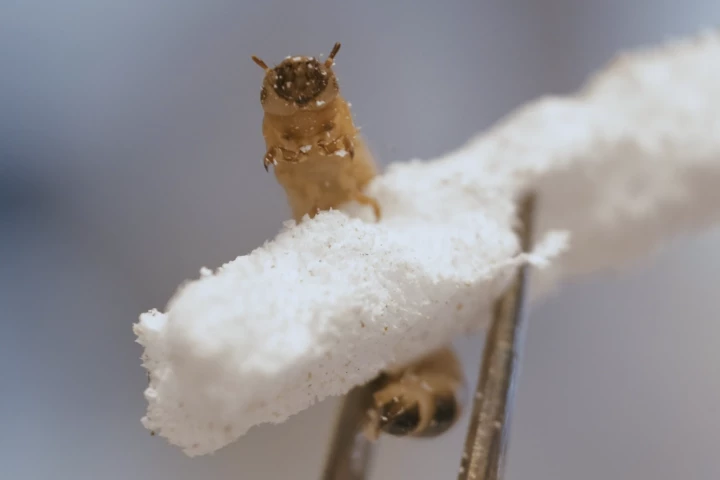 Scientists have created a lab-grown microbiome like the one found in a tiny plastics-munching worm, and it has the potential to efficiently and sustainably biodegrade the world's most common and troublesome plastics – all without the need for the worms.
 -
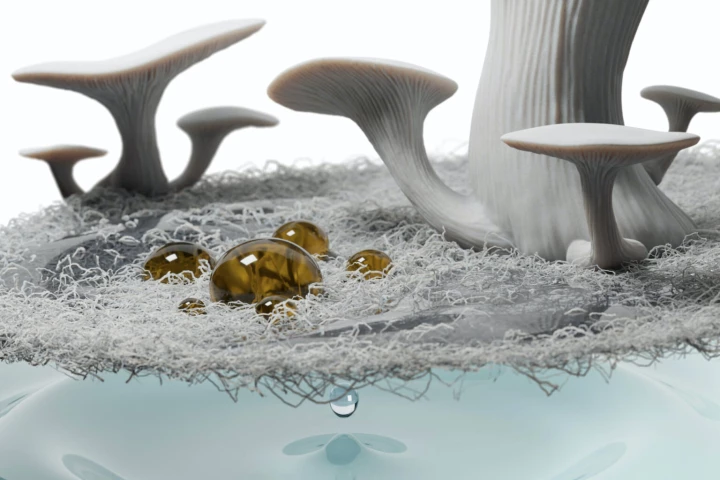 When it comes to cleaning up marine oil spills, it's best if you can use a material that separates the oil from the seawater. Scientists have created a new organic membrane which does exactly that, and it's derived from oyster mushrooms.
 -
 It was just last month that we heard how waste coffee grounds could be utilized to boost the strength of concrete. Well, new research shows that such otherwise-unwanted grounds could also be used to 3D-print plant pots, single-use cups and more.
 -
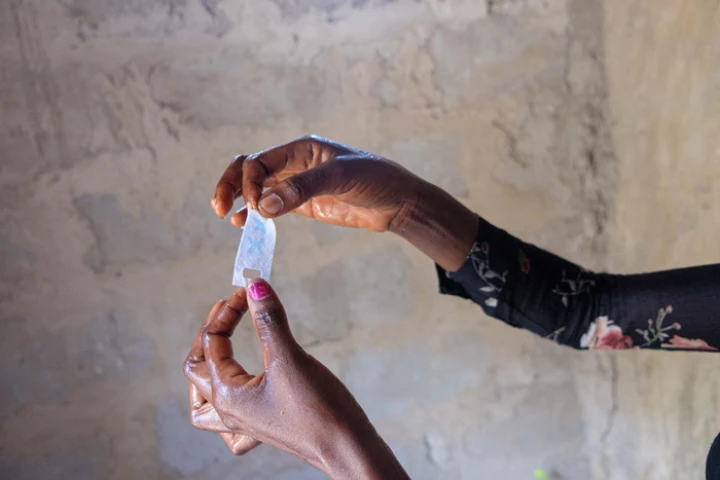 We take soap for granted but in some developing countries it is an unaffordable luxury. Researchers have developed a single-use, biodegradable soap-on-a-tab that may improve public health in areas that don't have access to running water.
 -
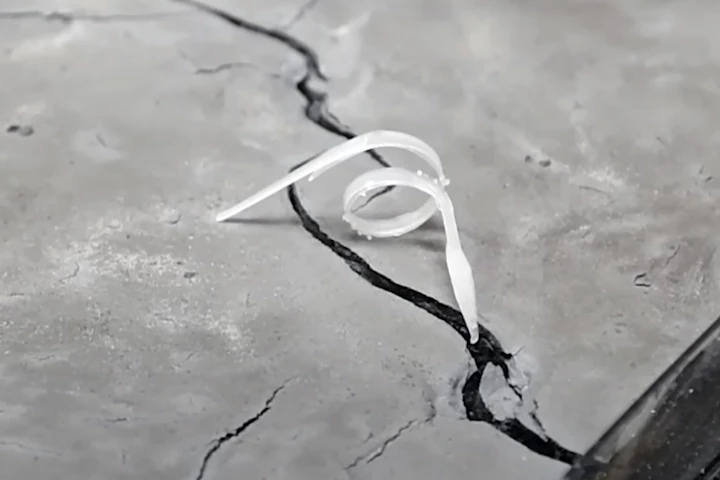 Italian researchers have created a novel 4D-printed biodegradable 'seed robot' that changes shape in response to changes in humidity and can navigate through the soil. The device has great potential as a new way of monitoring the environment.
 -
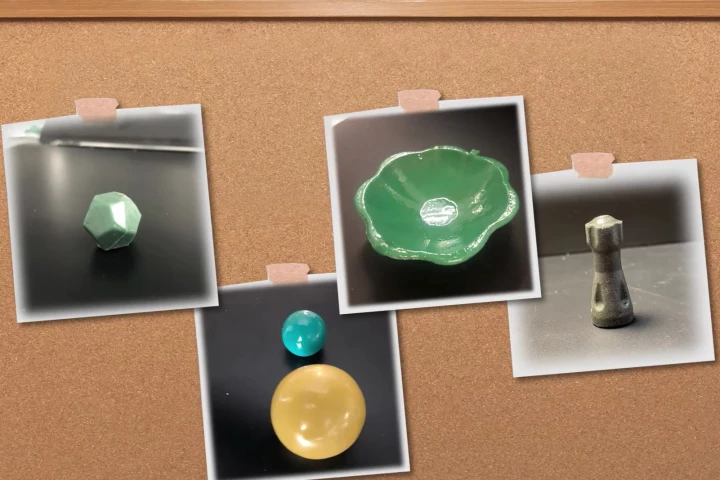 While reusing cutlery is always better than discarding it, most people aren't going to be packing a knife and fork whenever they grab some fast food. Scientists have thus designed a plant-and-wood-based material that dissolves once broken apart.
 -
 While there are already a variety of implants that dispense medication within the body, most of them either can't be externally controlled, or they eventually have to be surgically removed. A new one, however, uses light to avoid both problems.
 -
 Although disposable plastic straws are being phased out, their "greener" replacements have a few shortcomings of their own. Well, scientists have now developed bioplastic straws that don't get soggy, but do biodegrade when discarded.
Load More