
Biocomputers
Where biology meets electronics. Biocomputers use human brain cells, typically grown onto a silicon chip with electrodes all through them, acting as a learning-capable processor. Remarkable work has already been done in this area – for example, the DishBrain project, which learned to play Pong within a few hours. Living brain cells may eventually power computers capable of learning much faster than today's neural processors, while consuming vastly less energy.
-
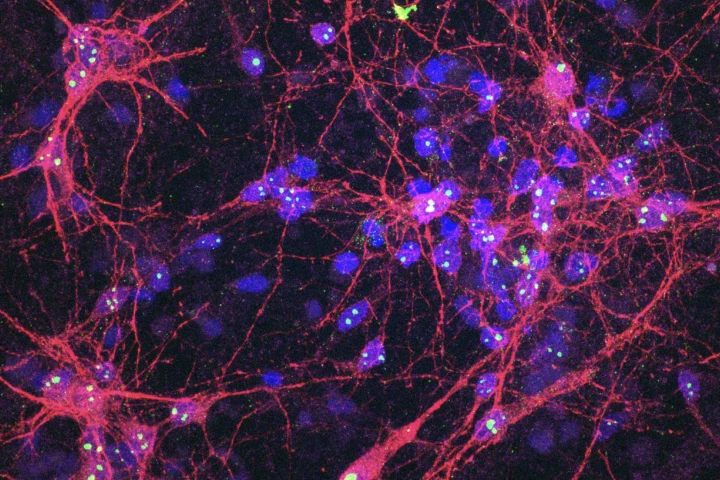 For the first time, Cortical Labs' mini-brain system has shown how its breakthrough biological computer system can, in response to drug intervention, alter activity and improve performance. It's a huge milestone for synthetic biological intelligence.
 -
 A non-invasive brain-computer interface that produces real-time EEG feedback on neural activity while the user plays a video-game, and then assesses data with AI, is helping clinicians more accurately diagnose attention-deficit/hyperactivity disorder.
 -
 Scientists have demonstrated that clusters of brain cells in a lab dish can be taught to play Pong in an approximation of sentience. This is the first time that these cells have performed goal-directed tasks, opening the door for better brain models.