
Batteries
-
 It never fails … you go to use a device that should be fully charged, but its battery has gone flat over time. Such may soon no longer be the case, however, if battery manufacturers simply start using a different type of adhesive tape.
 -
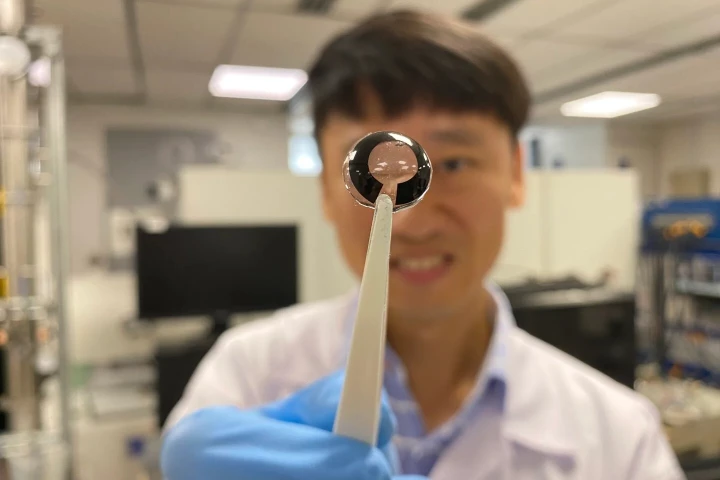 Although great strides are being made in the field of "smart" contact lenses, one challenge remains – how do you safely and discreetly power the things? Singaporean scientists may have the answer, in the form of a tear-fluid-charged ultra-thin battery.
 -
 Although it's generally not a good idea to swallow batteries, ingestible medical electronic devices often have batteries in them. A new type of battery could make such devices safer to use, as it's made entirely of edible ingredients.
 -
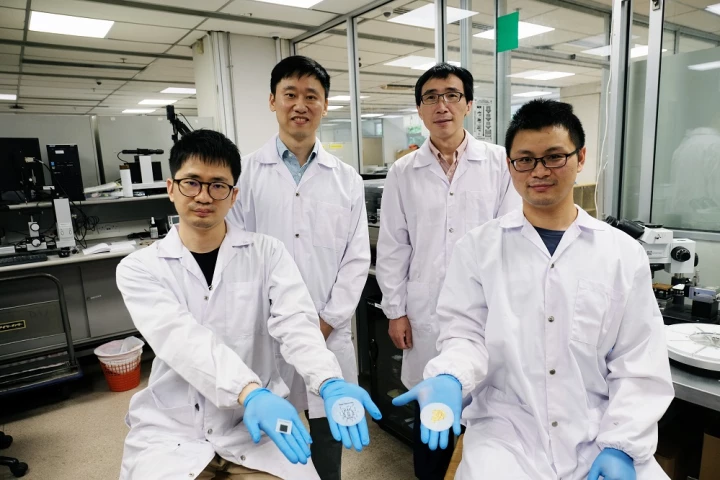 Although there are now biodegradable single-use electronic devices such as environmental sensors, the batteries in those devices can still pose an ecological problem. That's why scientists have now created a fully biodegradable paper-based battery.
 -
 Although we do keep hearing about flexible wearable electronics, most such devices are still powered by rigid batteries that regularly need to be recharged. An experimental new battery, however, is soft, stretchable, and powered by human sweat.
 -
 While electric vehicles are greener than their fuel-burning counterparts, their battery packs still aren't as recyclable as they could be. A new process could help, by more efficiently extracting reusable materials from old lithium-ion batteries.
 -
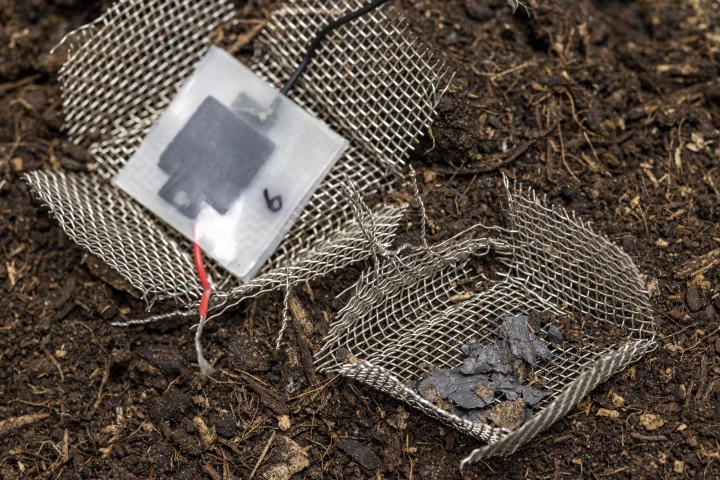 As technology continues to evolve, we're going to see an increasing number of battery-powered connected devices – some of which will be single-use, like shipping packaging. A new biodegradable mini-capacitor has been created with such uses in mind.
 -
 Just because a lithium-ion battery no longer holds a charge doesn't mean it no longer holds any value. It still contains useful metals, which can now be reclaimed via a more eco-friendly technique – the key ingredient is orange peel waste.
 -
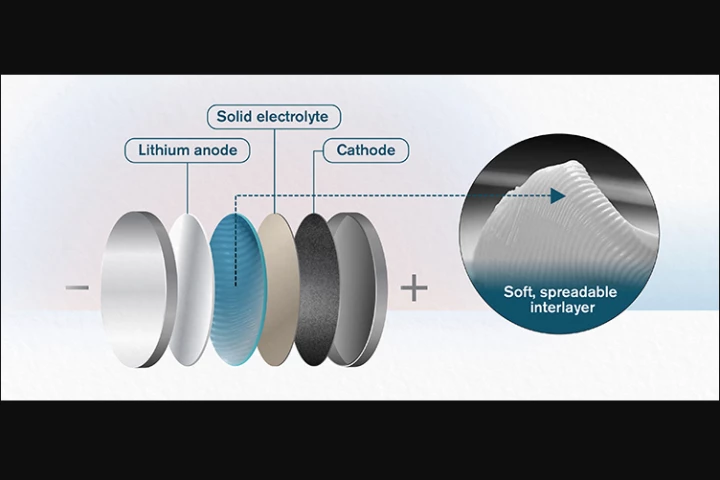 We've recently been hearing about solid state batteries, which have some definite advantages over their conventional counterparts. Although they're still not quite ready for everyday use, a new butter-like substance could help change that.
 -
 This year offered a little something for everybody with an interest in battery development, bringing us devices that could charge electric vehicles in 10 minutes and others that suck CO2 out of the air. Here are the biggest breakthroughs of 2019.
 -
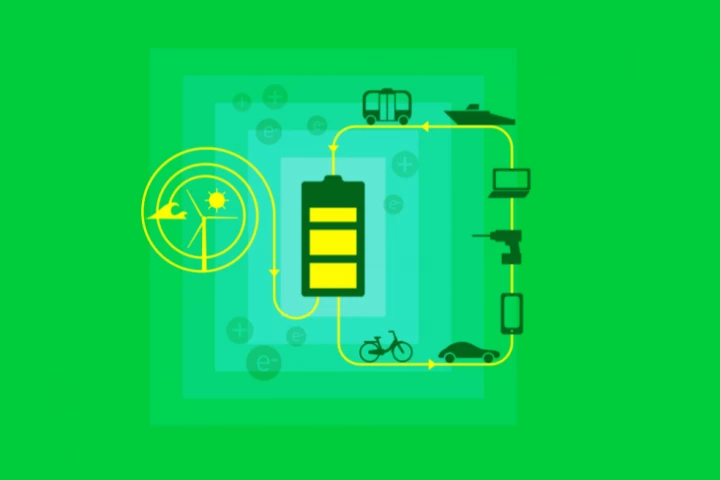 The 2019 Nobel Prize in Chemistry has been awarded to three scientists for the invention and development of the lithium-ion battery.
 -
 Scientists have come up with a way to stop damaged lithium-ion batteries catching fire. The batteries effectively harden on impact, preventing the electrodes making contact and starting a fire.
Load More