
Baby
-
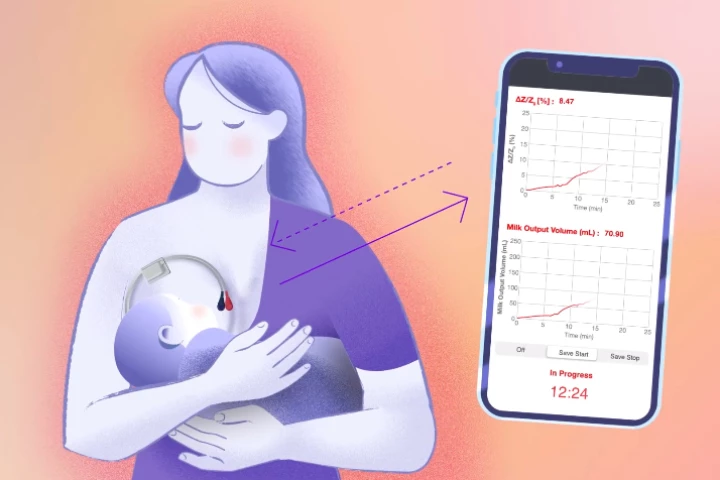 While many parents extol the virtues of breastfeeding, it can be hard to tell how much milk a breastfeeding infant is consuming. A new wearable device addresses that problem, using an electrical current to gauge milk intake in real time.
 -
 Acetaminophen can be a big help to mothers suffering postpartum body pain, but it ain't great for newborn babies. An experimental new lactation pad was designed with that fact in mind, as it measures how much of the drug is present in breast milk.
 -
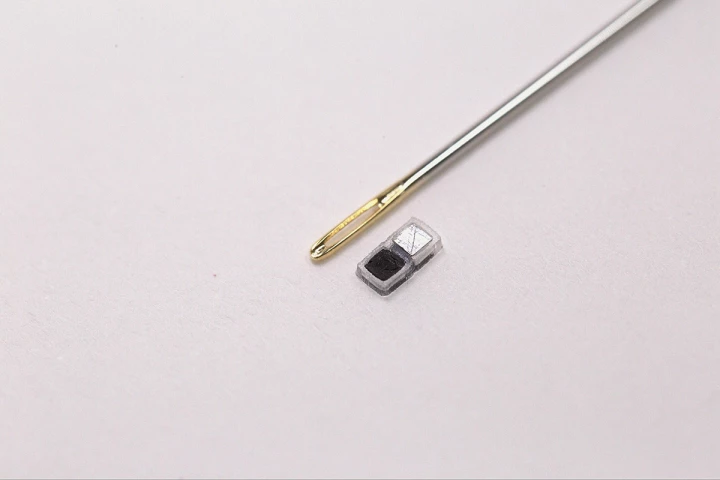 Engineers at Illinois' Northwestern University have developed the tiniest pacemaker you'll ever see. It's several times smaller than a regular pacemaker, and it's designed for patients several times smaller than the average pacemaker user.
 -
 Why don’t we remember specific events during those crucial first few years, when our brains worked overtime to learn so much? A new Yale study finds evidence that we do form memories, but can’t retrieve them.
 -
 For babies born with a certain heart defect, implantation of a "shunt" is essential to their survival. A new type of shunt can be expanded using light after it's been implanted, potentially eliminating the need for more heart surgeries down the road.
 -
 Love it or hate it, but the way humans modify their speech when they communicate with their young offspring, commonly known as "baby talk," has now been recorded among bottlenose dolphin mothers. It's the first time it's been heard, too.
 -
 Even though vegan diets consistently emerge as a healthy way to eat, there are certain nutrients that are difficult to get without consuming animal products. Research has now found that two of them are produced by nursing vegan mothers, regardless.
 -
 Life-saving intensive care incubators play a critical role in a newborn’s start to life, but researchers have found that they may also be exposing babies to louder, resonating noise that increase the risk of damaging their sensitive hearing.
 -
 Proper infant nutrition reduces morbidity, mortality and chronic disease risk and promotes development. But a recent study showed that many health and nutrition claims made on infant formula products are not backed up by science.
 -
 According to UNICEF, the vast majority of stillbirths occur in poor countries. An experimental new pressure-sensing surgical glove may help reduce those numbers, by allowing clinicians to gauge the orientation of the baby within the womb.
 -
 Two new studies have highlighted the potential impact of SARS-CoV-2 infections during pregnancy, finding placental abnormalities and fetal haemorrhages. Researchers are now investigating whether there are long-lasting neurodevelopmental effects.
 -
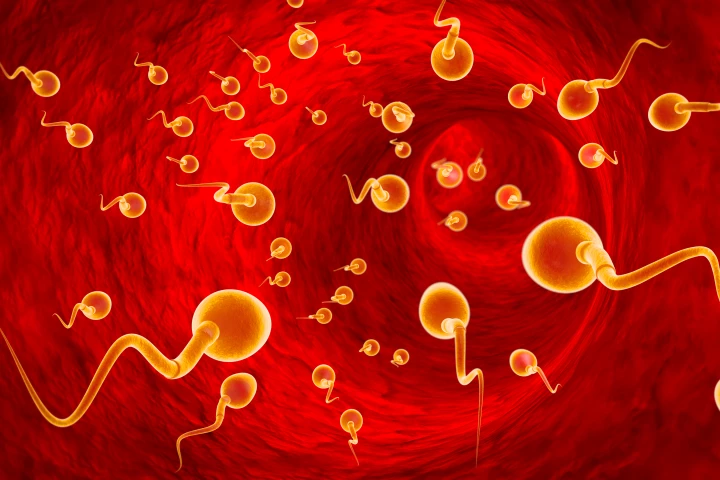 A striking study published in 2017 reported a 50% decline in the average sperm count since the 1970s. Now, a follow-up study is suggesting the decline in sperm counts is accelerating. But not all researchers are convinced the data is as clear as it seems.
Load More