
Automation
-
 If you're impressed by the machines that can now print graphics in cake icing or cappuccino foam, well … this'll really blow your mind. The Blackdot system, which has already entered use, utilizes AI to robotically apply tattoos to people's skin.
 -
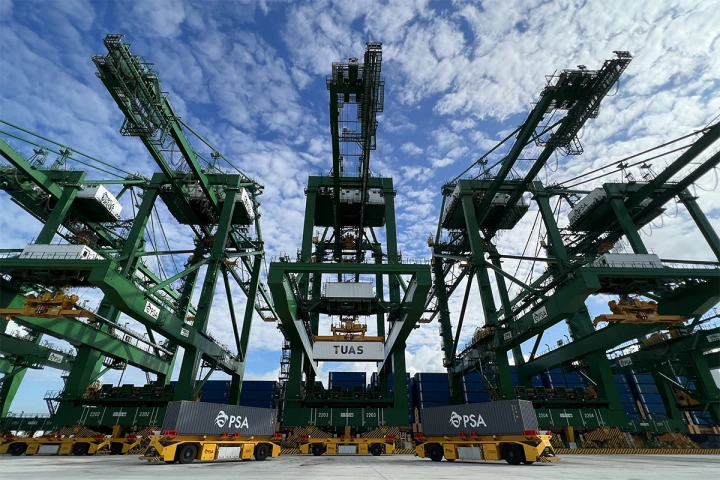 Singapore's Tuas mega port has now successfully handled 10 million containers since it kicked off operations in September 2022, and is expected to handle 65 million shipping containers a year in the 2040s when its development is complete.
 -
 It's winter in Antarctica, but a temporarily unoccupied British research station is still operating using a new autonomous system. Using new technology developed by BAS engineers, the station is still partially powered by a micro-turbine as robotic sensors continue to collect scientific data.
 -
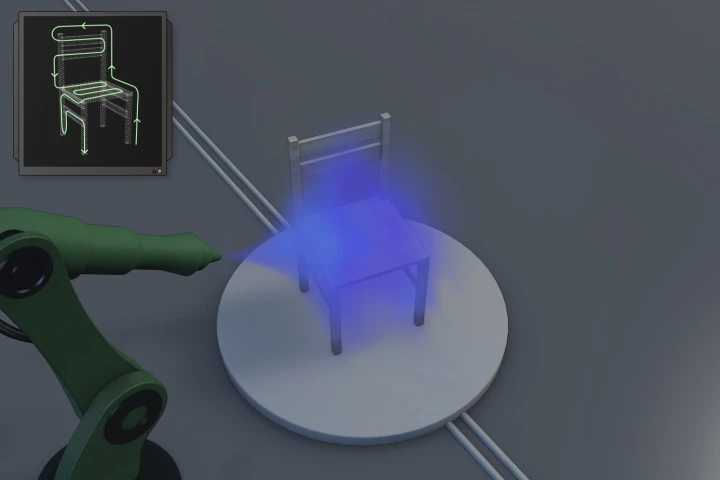 While it may be worthwhile programming robots to paint many identical objects, the painting of smaller-run items is still done manually. That could be about to change, however. Scientists are developing a system which will allow robots to figure out how to paint individual objects.
 -
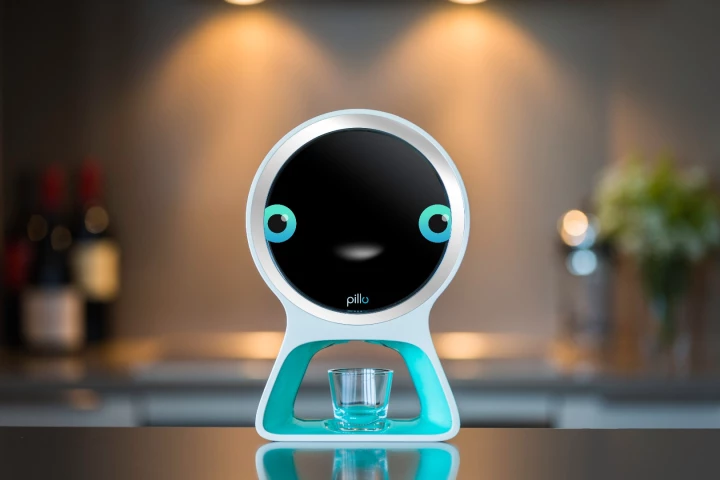 Imagine a pill-dispensing, health-focused version of Amazon Echo, and you'll get an idea of what Pillo is designed to be. Utilizing facial and voice recognition software, the internet-connected device can reportedly recognize multiple family members on sight.
 -
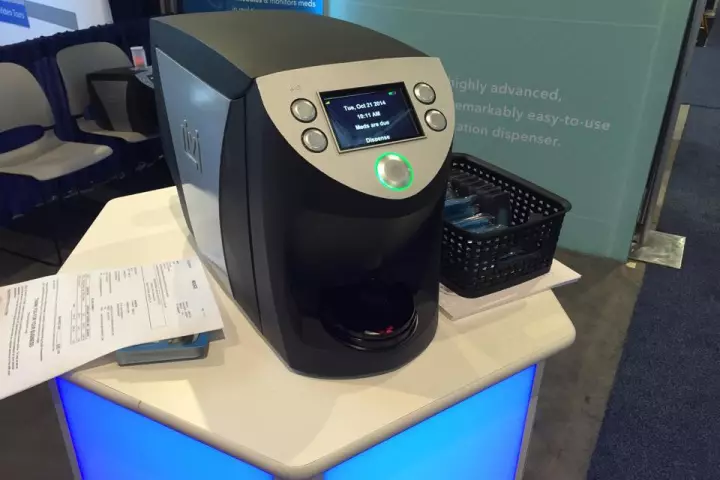 Keeping track of multiple medications can be challenging. That's why PharmRight Corporation has developed Livi. It's a cloud-connected pill dispenser that can manage a 90-day supply of up to 15 medications at once, letting users know when to take what.
 -
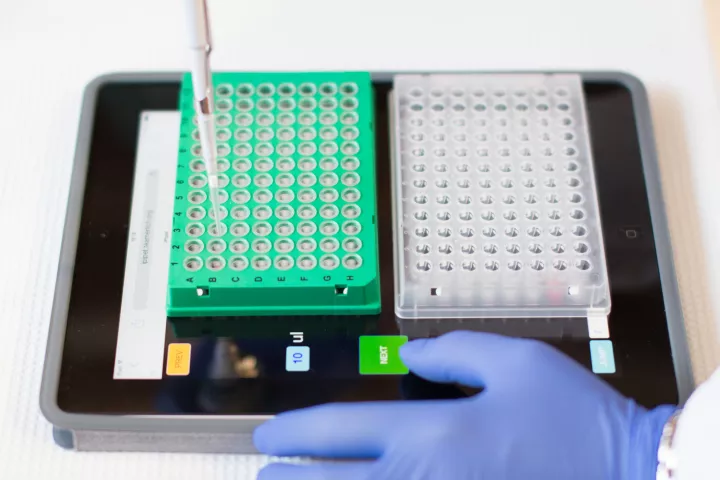 If you've ever worked in a laboratory, then you're probably familiar with the task of pipetting. To make it easier and less prone to errors, a team at the MIT-affiliated Whitehead Institute has created iPipet, an app that allows an iPad to visually guide "pipetters" in their work.
 -
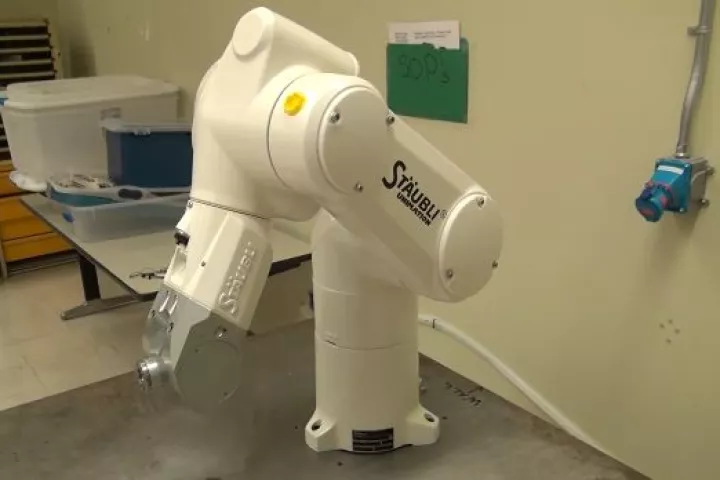 GE Global Research is developing robots to pick, inspect, sterilize and deliver surgical instruments in hospitals.