
Audio
-
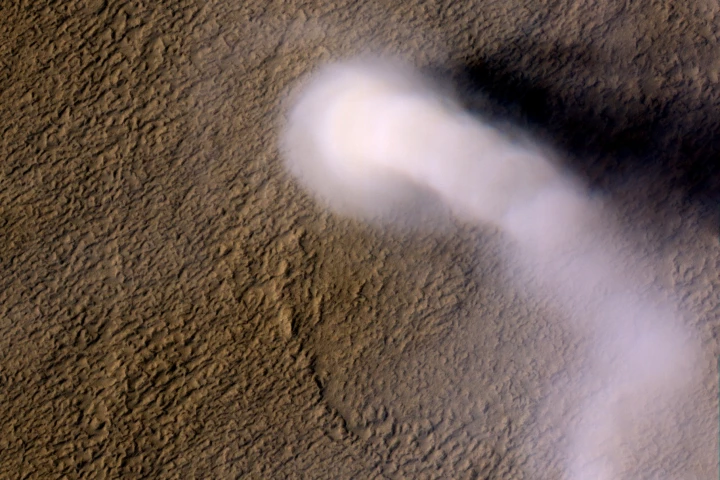 Dust devils are a common occurrence on Mars, but Perseverance has now captured one from up close for the first time. The NASA rover recorded video from right inside the dust devil, as well as the first audio of the phenomenon on the Red Planet.
 -
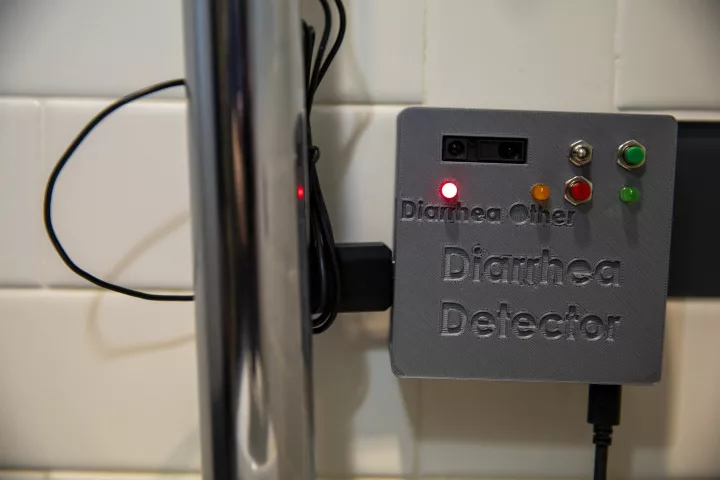 When it comes to communicable diseases, it's important to identify the source of an outbreak ASAP. In the case of cholera, a new toilet sensor could help, by detecting how many people in one area are experiencing one of the main symptoms – diarrhea.
 -
 The Earth’s magnetic field isn't something we can usually see, feel or hear. That last point has now changed though, as scientists and musicians have worked together to convert magnetic field data into sound – with spooky results.
 -
 Scientists have made another extraordinary discovery concerning spider silk, finding that orb-weaving spiders use their webs as an array to extend their sense of hearing, a finding that could lead to advanced new forms of audio hardware.
 -
 New research is offering some of the first empirical evidence of the fatiguing effects of camera use in virtual meetings. The research is part of an increasing body of study into the effects of remote work and the phenomenon known as "Zoom Fatigue."
 -
 We’ve seen images of Mars for decades, but now NASA has released the first audio clips recorded on the Red Planet. The Perseverance playlist includes sounds of Martian wind, a laser zapping rocks, and the crunch of gravel under the rover’s wheels.
 -
 New research is building on the suggestion that our ability to effectively hear something is influenced by the position of our eyes. The study found auditory attention seems to be intertwined with visual spatial attention.
 -
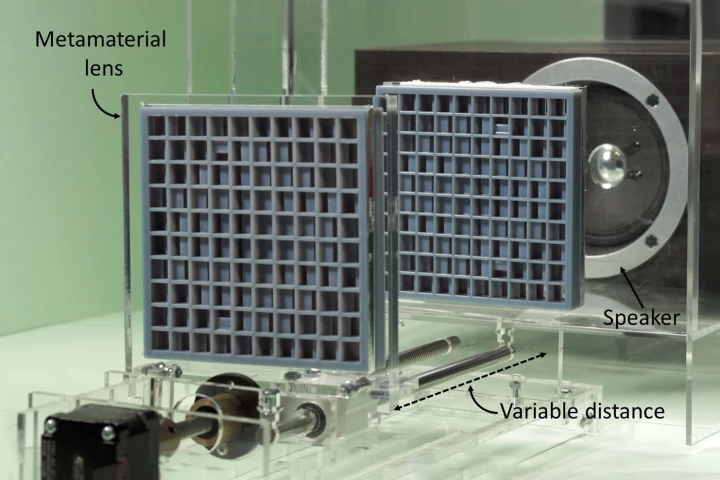 Imagine talking to someone across a crowd of thousands without using a phone, or sitting way up the back at a concert, but hearing everything perfectly. This is the promise of acoustic lenses, and researchers at the universities of Sussex and Bristol in the UK think they’ve something to shout about.
 -
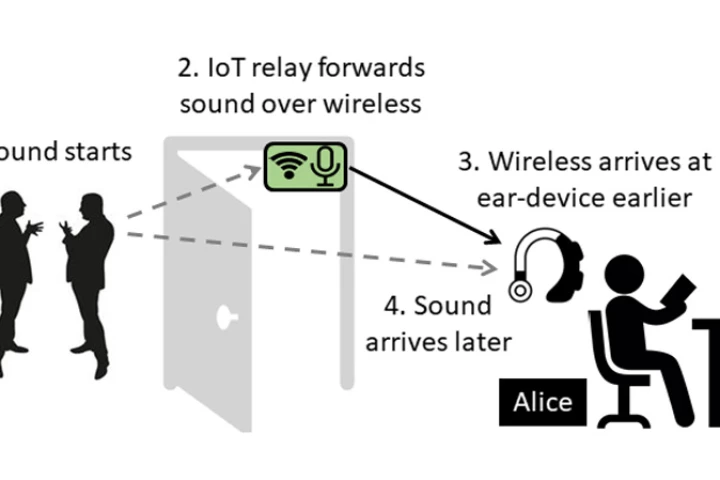 By moving the microphone usually located within the ear cups of noise-cancelling headphones towards the noise to be cancelled out and employing wireless technology, researchers have now developed better noise-cancelling technology that doesn't require bulky noise-blocking headphones.
 -
 Researchers have recorded the world's first optically encoded audio onto a plasmonic film substrate the size of human hair that has a capacity over five-and-a-half thousand times greater than conventional analog magnetic recording media.
 -
 The emergence of consumer electroencephalography (EEG) devices is giving us new ways to monitor and train our brains. One such device is the Melomind, which promises to help users better manage stress. To do so, it delivers 15-minute sessions of specially designed music.
 -
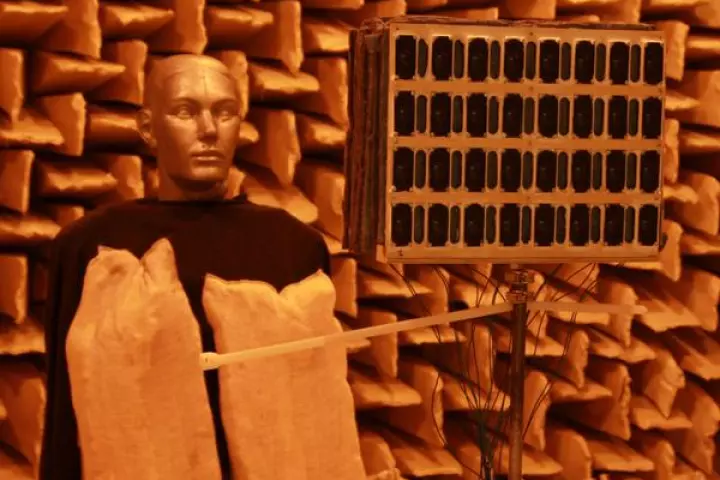 It's a classic situation ... a family is watching TV, but in order for the grandparents to be able to hear it, the volume is turned up too loud for everyone else. A student from the UK, however, might have a solution. He's developed a system that projects high-volume audio to just one spot.
Load More