
Athlete
-
 Soccer heading has long been suspected of impacting brain health, but where and how it leaves a mark has been a blind spot. Now, for the first time, scientists have a clear picture of the damage and why repeated impacts can impair cognition over time.
 -
 Scientists have developed smart insoles that accurately measure the forces created when a foot hits the ground in the real world. The tech has a range of applications, from assisting in rehabilitating patients to helping athletes prevent injuries.
 -
 Examining the muscles of Eddie Hall, a British strongman and deadlift champion, has given researchers greater insight into muscle strength, which could inform athletic performance, injury prevention, and healthy aging – giving hope to even the non-athletic among us.
 -
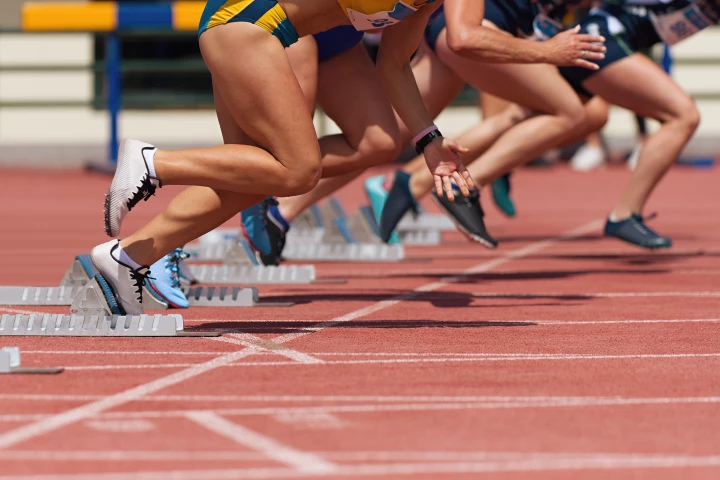 A new study from researchers in Japan offers the first direct investigation into the effects of caffeine on 100-meter sprint running. The findings revealed athletes who dose up on caffeine can run significantly faster sprint times.
 -
 In order to minimize the chances of injury, many athletes wear a brace to help support a particularly vulnerable knee joint. Exoskeleton manufacturer C-EXO is taking that idea further, with a "smart" pneumatically activated knee brace.
 -
 A study has found increased volumes of a certain species of gut bacteria in marathon runners following the completion of an event. This species was found to metabolize exercise-induced lactate into propionate, a compound that may increase exercise capacity.
 -
 New research has revealed that human skeletal muscle has an epigenetic memory determined by earlier growth. This very literal discovery of “muscle memory” potentially has dramatic implications for the long-lasting effects of performance-enhancing muscle building drugs.
 -
 Researchers at Bielefeld University in Germany have developed a projection coaching system that promises to help athletes improve performance and treat mobility issues due to injury or illness.
 -
 The NordBord Hamstring Testing System is meant to help prevent hamstring injuries by measuring the hamstring strength of individual athletes, thus allowing their coaches and trainers to adapt their training accordingly and prevent injuries in the future.
 -
 If you follow sports at all, then you've probably heard about athletes rupturing their ACL, or anterior cruciate ligament. Now, scientists at Northwestern University in Illinois are creating a man-made replacement ACL, which could make treatment much more effective.
 -
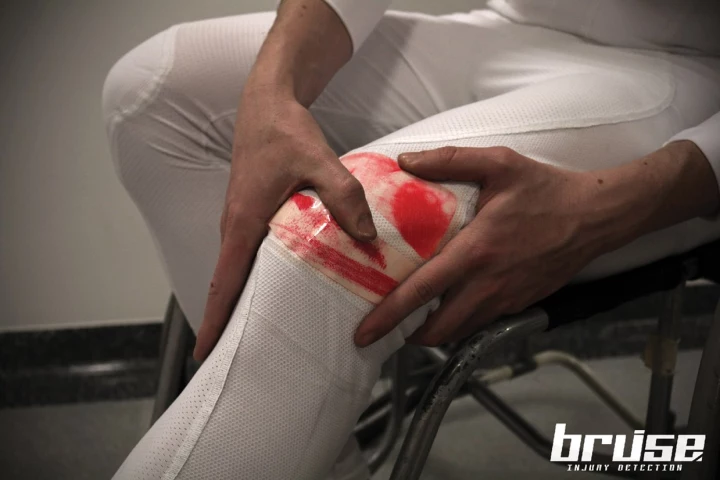 Along with the obvious mobility issues faced by athletes who are unable to walk, they're also unable to feel their legs, which means they can't always tell when they've been hurt. That's why a group of students have invented a set of "bruise trousers."
 -
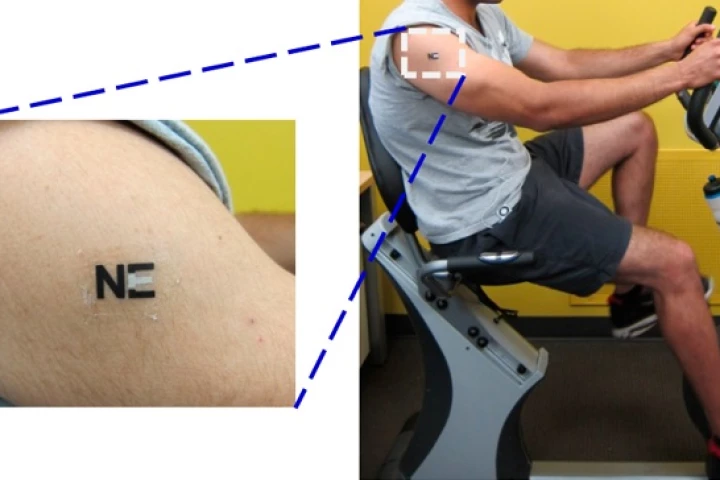 No athlete likes hitting “the wall.” You know, that point at which their energy level suddenly plummets, and they just can’t go on. Using something that looks like a temporary tattoo, however, they may soon be able to receive a warning when they’re approaching that threshold.
Load More