
Astronauts
-
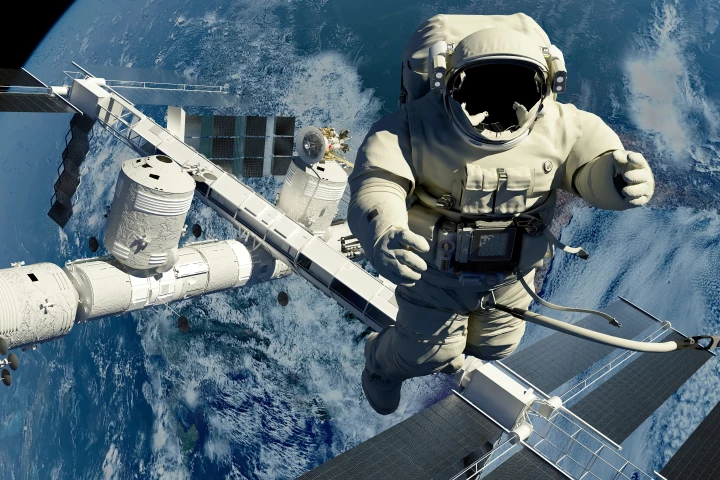 Previous research has shown that microgravity affects the immune system but what about the stem cells that build it? Until recently, no one had tested how spaceflight affects the aging and fitness of these crucial cells, and the news is not so great.
 -
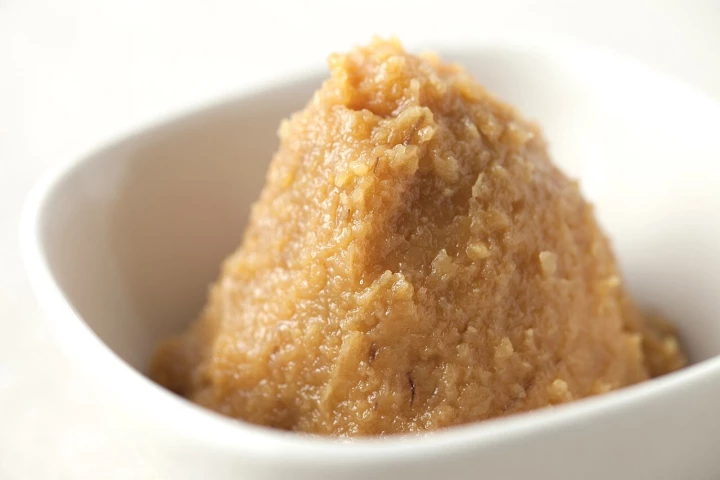 If you've ever looked into the living conditions of astronauts in space, you probably know they make do with spartan arrangements, including mostly rehydratable meals. Fermentation could help with making a wider variety of flavorful foods available.
 -
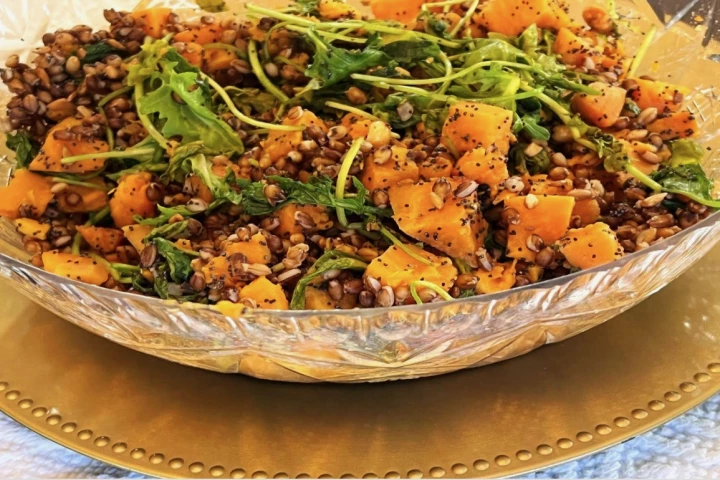 In order to survive long trips to other planets, astronauts are going to have to eat more than just easily-stored TV dinners and ramen noodles. With that fact in mind, scientists recently created what they determined could be the ideal fresh-food meal for space travelers.
 -
 Space agencies often put space-suited astronauts in swimming pools, so they can learn to perform tasks in an outer-space-like environment. The UHAB is intended to take things further, by simulating the habitats in which astronauts may someday live.
 -
 A resupply mission to the ISS is planned for next week, which will include a special delivery for Andreas Mogensen in the shape of a Vive Focus 3 VR headset intended to help the Danish astronaut cope with the stress of working in space.
 -
 A new study has found that the rigors of space travel alter the expression of an astronaut’s genes, leading to a compromised immune system that may make them vulnerable to infection, especially when they first return to Earth.
 -
 Water on the Moon isn't kept in convenient reservoirs, it’s locked away in the lunar soil. Now, a team of scientists has found that thirsty astronauts could one day refresh themselves fairly easily – by throwing a cup of Moon dirt in the microwave.
 -
 Space travel places great stress on the mind and body. With an eye on its implications for future space travel, a new study is the first to examine how flight involving exposure to significant changes in g-forces impacts the functioning of pilots' brains.
 -
 Microgravity wreaks havoc on astronauts' biology, which is bad news for future space travel. A NASA experiment housing fruit flies on the International Space Station has now shown that artificial gravity can help reduce some of those health problems.
 -
 The Moon isn’t the most hospitable place, but that’s not stopping NASA from sending humans back there soon. Thankfully, an orbiter has now found a region of the Moon with year-round jeans-and-jacket weather – underground caves.
 -
 When astronauts stay in outer space for extended periods, they frequently develop a vision problem known as spaceflight-associated neuro-ocular syndrome (SANS). Scientists are now trying to keep that from happening, via a vacuum-sealed sleeping bag.
 -
 If there are two things that are essential to human life, they're water and oxygen – neither of which are easily available on the moon. Thanks to a new technique, though, astronauts may someday be able to harvest those elements from lunar soil.
Load More