
artificial photosynthesis
-
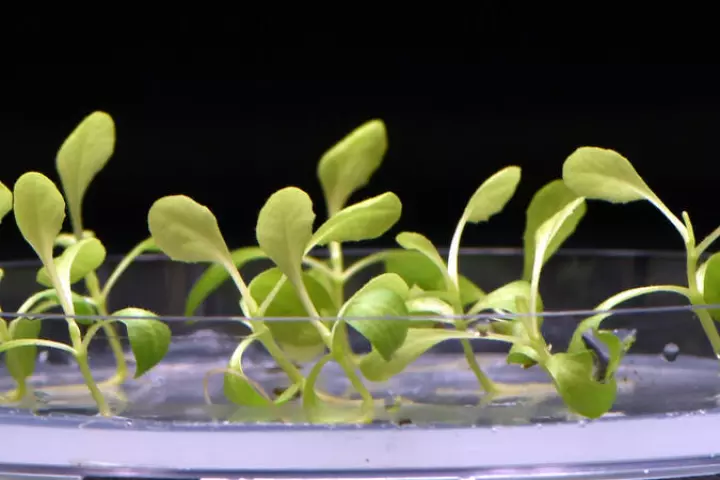 Scientists have improved on the natural process of photosynthesis, not only growing plants more efficiently, but doing so in the dark. This could expand agriculture to areas that don’t get enough sunlight, and even help feed future space explorers.
 -
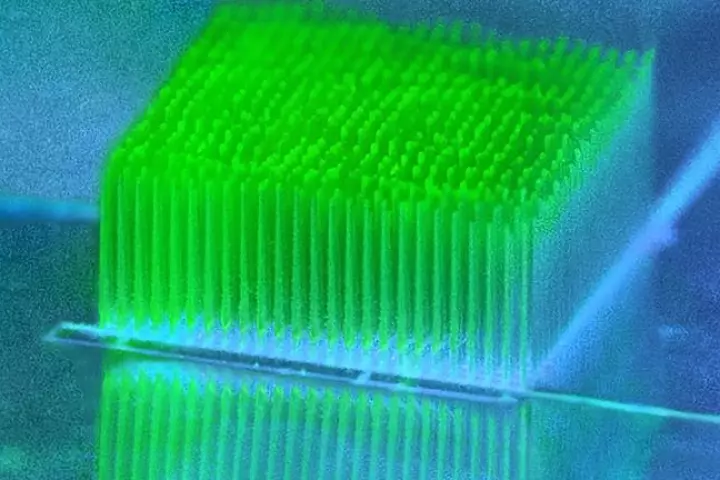 Scientists have long studied the abilities of photosynthetic bacteria that turn sunlight, carbon dioxide and water into energy, and by giving these communities a home likened to a high-rise apartment block, a team has broken new ground in this space.
 -
 Artificial leaves can convert sunlight, water and carbon dioxide into energy or even be used to produce fuels. Now, researchers from Cambridge have developed a new version that can produce synthetic gas (or syngas) without releasing carbon dioxide.
 -
 Dcientists at the University of Central Florida have come up with synthetic material that draws on visible light from the sun to produce solar fuels, sucking harmful CO2 out of the air in the process.
 -
 Researchers at Monash University claim to have created a solar-powered device that splits water to produce hydrogen at a world-record 22 percent efficiency, which is a significant step towards making cheap, efficient hydrogen production a reality.