
Artificial Muscles
-
 Researchers have developed a novel bioink that uses a sustained-release hormone to promote the growth and regeneration of 3D-printed muscle tissues, opening the door to new therapies to help people who’ve suffered muscle loss or damage.
 -
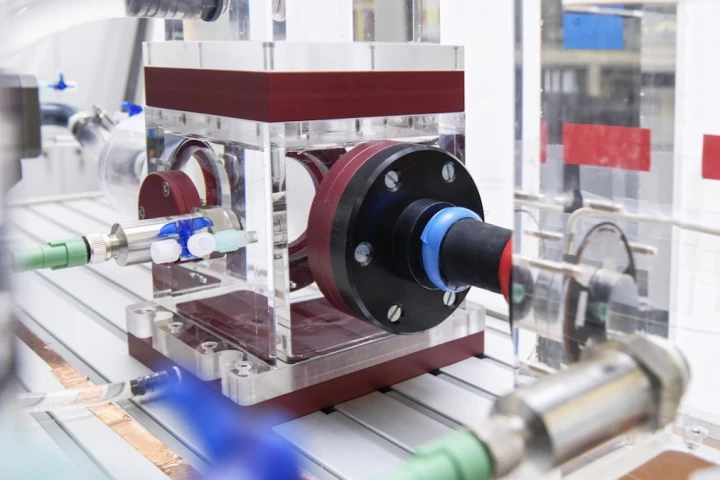 Heart failure often requires a transplant of the whole organ. Now scientists at EPFL have developed an artificial aorta that can help pump blood, taking some of the pressure off the heart to reduce or even eliminate the need for a transplant.
 -
 MIT researchers have created artificial muscles using simple re-purposed nylon filament. The new flexing material has potential in everything from robotics and artificial limbs to powered flexible components for use in the automobile and aviation industries.
 -
 All living organisms – human, animal, or otherwise – continuously move molecules around their cells. It's a crucial mechanism of life, vital for feeding cells the proteins they need to function. And now scientists at Northwestern University have created a machine that mimics this pumping mechanism.
 -
 Using pneumatic artificial muscles, scientists have replicated the 3D twisting motion of the beating heart. The research could lead to better-functioning cardiac implants, among other things.
 -
 Scientist have used ordinary fishing line and sewing thread to create artificial muscles. With possible applications including robotics and prostheses, they're 100 times more powerful than human muscles of the same size.
 -
 A team of scientists from the US Department of Energy’s Lawrence Berkeley National Laboratory has demonstrated a robotic muscle with 1,000 times more power than that of a human's, and which has the ability to catapult items 50 times its own weight.
 -
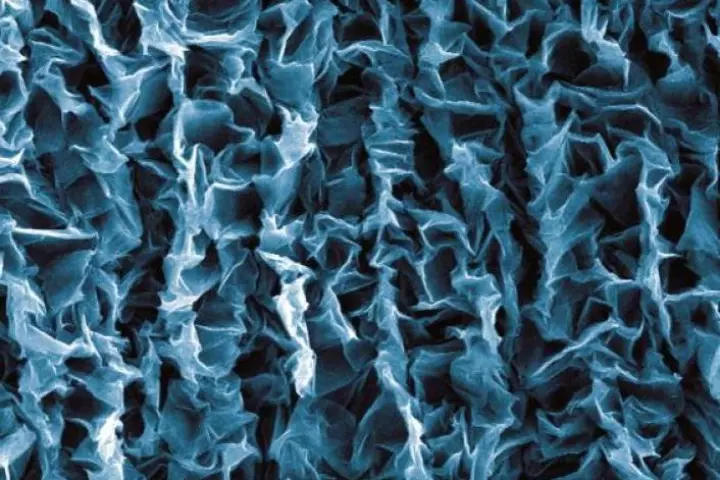 A team at Duke University's Pratt School of Engineering have combined atom-thick layers of graphene with a stretchy polymer film to create artificial muscles.