
Artificial Intelligence
-
 Among the many problems posed by the rapid proliferation of data centers is the strain on local water supplies. Google says it's building a better data center that won't require water to keep its servers and computing equipment cool.
 -
 While AI certainly has its issues, there’s little doubt that it shines in terms of medical diagnostics. Now, a new study suggests it can even make the humble stethoscope an even more powerful tool than it already is for detecting heart disease.
 -
 Columbia and Stanford researchers have debuted a new paper-thin brain-computer interface, the Biological Interface System to Cortex (BISC). The device offers hope to patients enduring seizures, strokes, spinal cord injuries, ALS, and blindness.
 -
 Imagine having your own fitness coach available at any moment, who won't charge you $100 an hour. BodyPark, a Hong Kong-based company that develops AI-powered fitness technology, has unveiled its minimalistic AI-fitness device, Atom, on Kickstarter.
 -
 In a first, scientists believe they have confirmed we have another sense – a “remote touch” that we share with others in the animal kingdom, like some shorebird species that can sense prey beneath sand without seeing or touching it first.
 -
 An ambitious plan to generate sequence genomes for 1.85 million species on our planet is underway. It's a major undertaking that'll dramatically enhance our understanding of biology, and inform conservation efforts. Thankfully, AI is lending a hand.
 -
 A new poll commissioned by the American Psychological Association has shed light on a disturbing trend among residents in the US. An increased sense of division is leading to a cascade of other negative effects.
 -
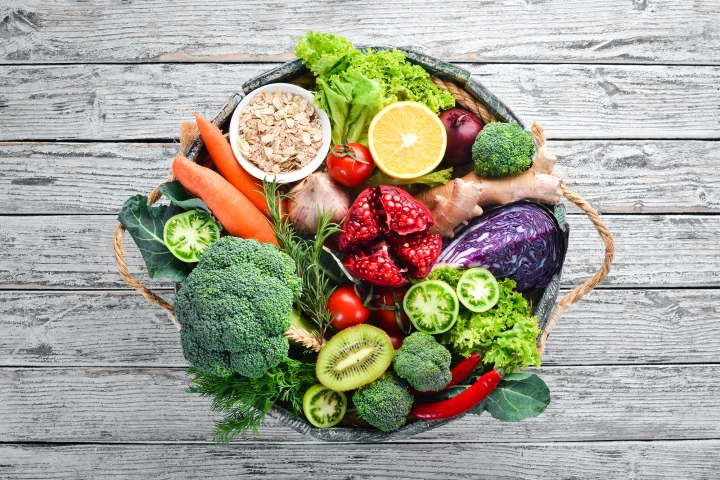 For the first time, scientists have used innovative tech to demonstrated that a healthy microbiome needs a consistent flow of the right foods, finally proving that the "hunch" advice of 5 A Day is spot on, as far as your gut bugs are concerned.
 -
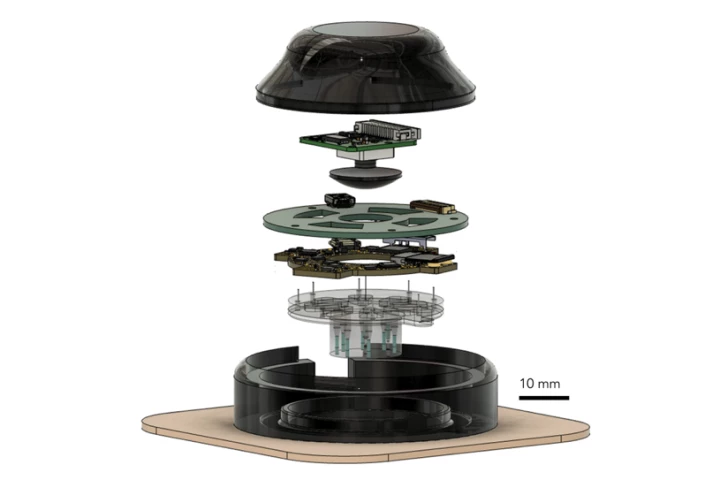 Dressings that simply cover wounds may soon seem archaic. An experimental new device reportedly speeds healing by 25%, and utilizes a computer-linked camera to determine when it should zap wounds with electricity or shoot medication into them.
 -
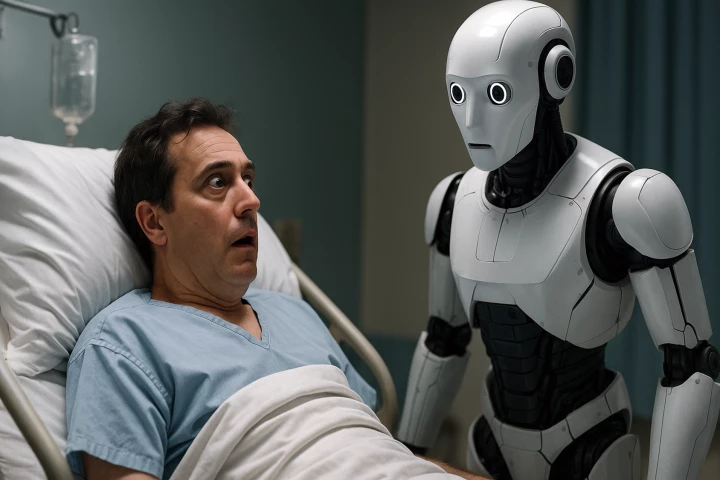 Patients worldwide are cautiously optimistic about the use of AI in healthcare. Most support it as a helpful assistant, but few trust it to replace doctors, according to a new study that reveals trust, concerns, and the need for explainable AI.
 -
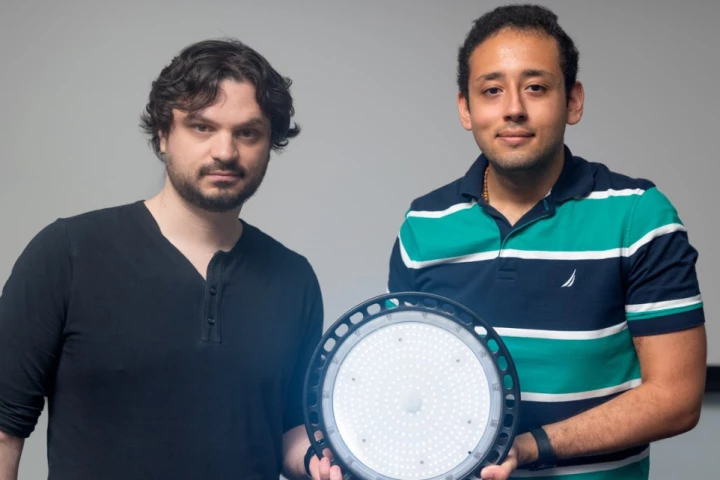 Thanks to advances in generative AI, seeing video of an event is no longer proof that it really happened. There could be new hope on the horizon, however, in the form of a system that watermarks videos using fluctuations in the on-location lighting.
 -
 If you're impressed by the machines that can now print graphics in cake icing or cappuccino foam, well … this'll really blow your mind. The Blackdot system, which has already entered use, utilizes AI to robotically apply tattoos to people's skin.
Load More