
Aquaculture
-
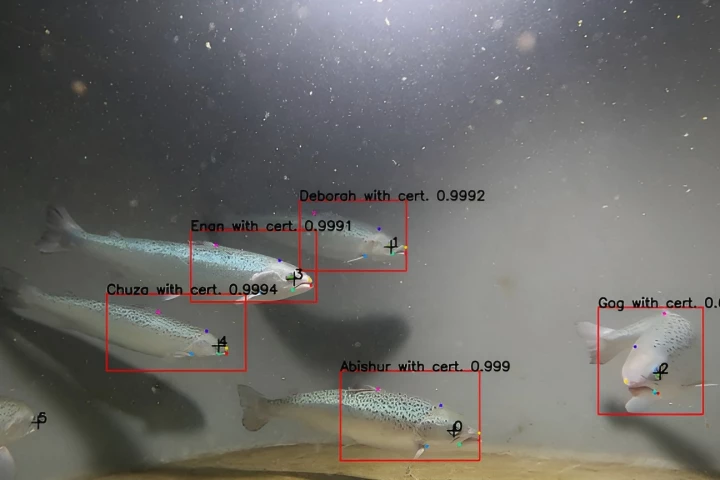 Stressed fish tend to become unhealthy fish, so it's very important that fish farm operators spot stress as early as possible. A new AI-based system could help them do so, by monitoring the rate at which each fish breathes.
 -
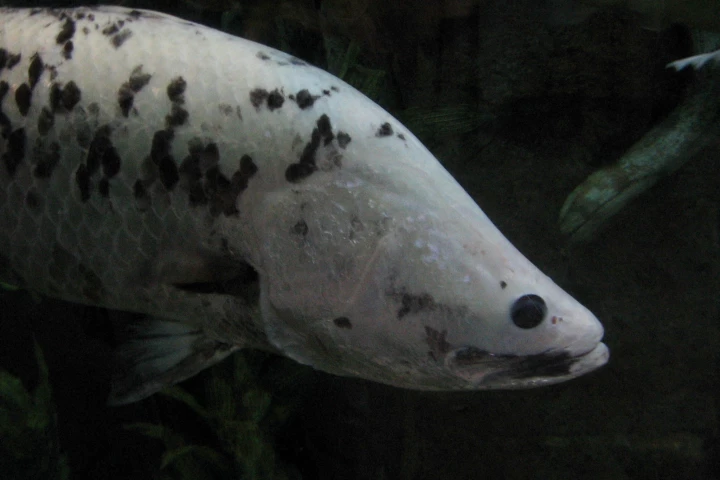 Fish farming may be getting much more eco-friendly, courtesy of soybean processing wastewater. Microbes in the liquid have been used to produce proteins that could replace the fishmeal which is currently fed to farmed fish.
 -
 Observing a pen full of salmon at a fish farm will only tell you so much about their well-being. That's why Norwegian scientists have developed an implant that measures and records the vital signs of individual fish, who will serve as "sentinels."
 -
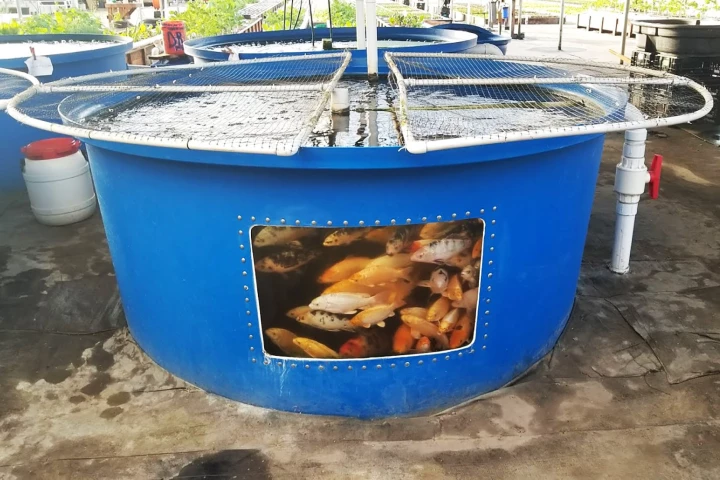 Aquaponics operations combine aquaculture and hydroponics, with nutrient-rich water from the former being used to fertilize plants in the latter. Soon, such systems could also be powered by methane biogas derived from their own fish feces.
 -
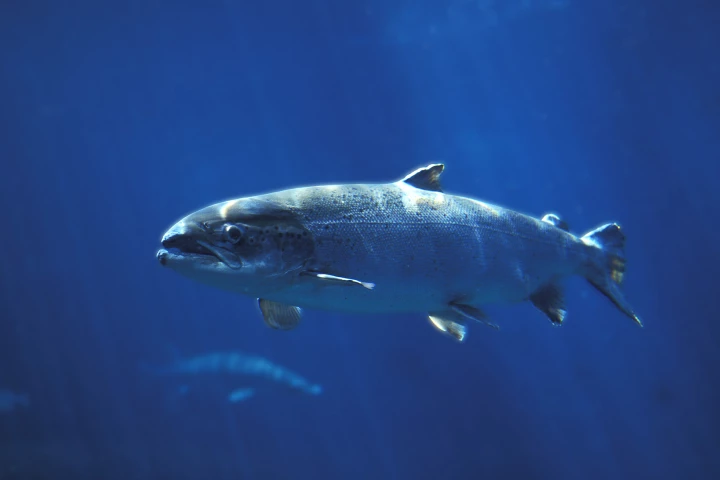 Although salmon farms help take pressure off wild stocks, the penned fish do produce a lot of waste which is concentrated at one location. A new farm is exploring a solution to that problem, by raising salmon and kelp in adjacent pens.
 -
 A new study has shown that foods that come from the ocean or freshwater, known as "blue foods," have the potential to address several important global issues, including nutritional deficits, disease, and climate change.
 -
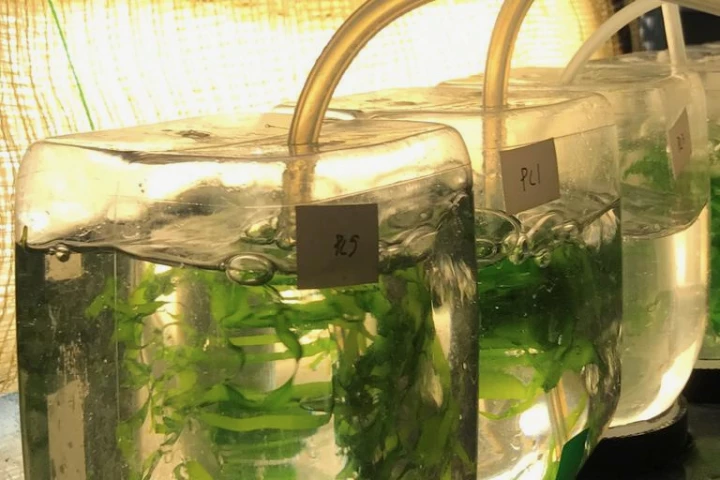 The processing of foods typically generates a lot of wastewater, which has to be cleaned up before being released back into local waterways. According to new research, however, that water could first be put to use as a very effective fertilizer for farmed seaweed.
 -
 Spawning in captivity can be hard on abalone, as aquaculture operators have to periodically yank the molluscs off the insides of their tanks to inspect their gonads. Things could soon get kinder and gentler, however, thanks to the use of ultrasound.
 -
 One of the ironies of salmon farming lies in the fact that although the salmon themselves aren't wild-caught, their feed is made up of fish that are. According to new research, it would be ecologically better if we just ate those feed fish ourselves.
 -
 Pineapple skin waste typically ends up being composted or dumped in landfills. According to new research, however, a feed additive made from powdered skins has been shown to help farmed tilapia avoid infections, plus it boosts their growth.
 -
 The people of Singapore consume a lot of fish, and – perhaps surprisingly to some of us – a lot of frog meat. Scientists have now developed a method of converting the waste from both foods into a material that helps bone to regrow.
 -
 As is the case with other types of livestock farming, antibiotics are widely used in aquaculture to prevent disease. There may soon be a healthier and more eco-friendly alternative though, in the form of seaweed added to existing fish food.
Load More