
Antarctic
-
 Antarctica's ice cores are like frozen diaries of Earth's past. Most continuous records go back about 800,000 years. But in a region called the Allan Hills, a special patch of blue ice holds reveals snapshots dating back as far as 6 million years.
 -
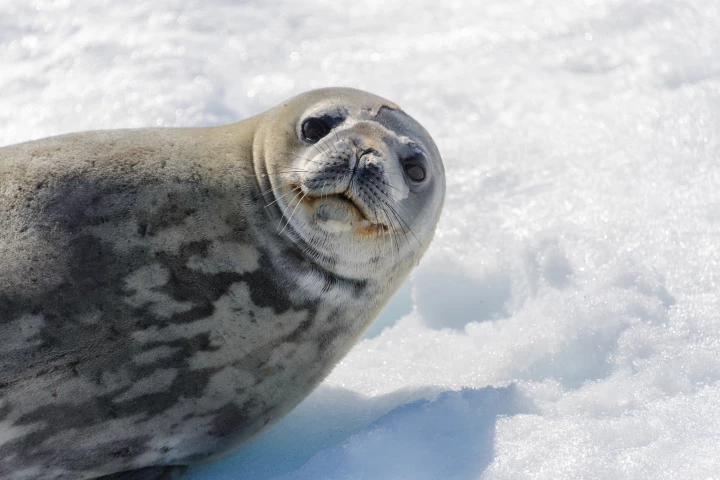 Leopard seals may be one of Antarctica’s most fearsome predators, but these vocalizers sing with the structured charm of a nursery rhyme. In a new study, researchers discovered that the underwater vocal patterns of these mammals resemble human song.
 -
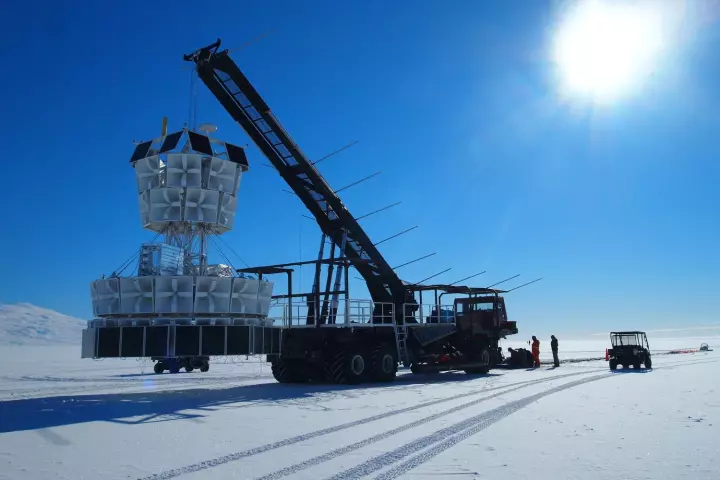 It may sound like a plot twist out of a science fiction novel, but researchers have detected mysterious radio signals coming from beneath the Antarctic ice that appear to be inconsistent with the standard models of particle physics.
 -
 For centuries, glaciers have sat like frosty crowns atop slumbering volcanoes, keeping Earth’s fury tucked safely beneath layers of ice. But now, as climate change accelerates and glaciers retreat, the lid may be lifting, and the heat rising.
 -
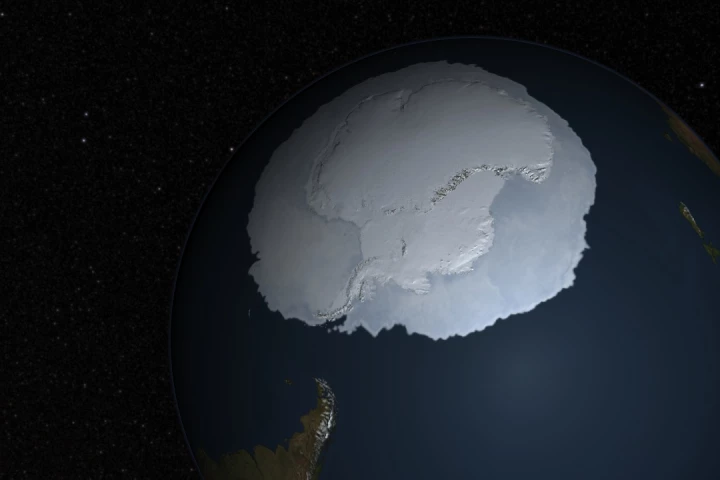 The British Antarctic Survey (BAS) has released the most detailed map yet of what Antarctica looks like when you strip away its ubiquitous cover of ice and snow. Derived from 60 years of data, it will help scientists understand ice flows better.
 -
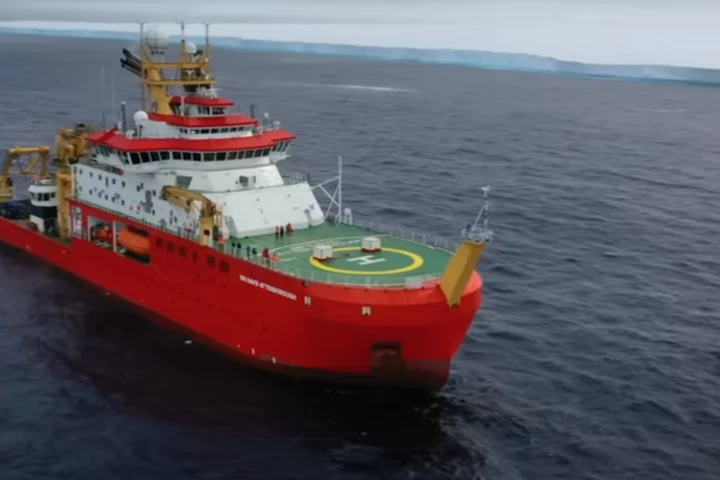 Traffic in the vicinity of Antarctica has become a bit trickier now that A23a, the world's oldest and largest iceberg, has broken free of its watery trap north of the South Orkney Islands and is floating northward on the Antarctic Circumpolar Current.
 -
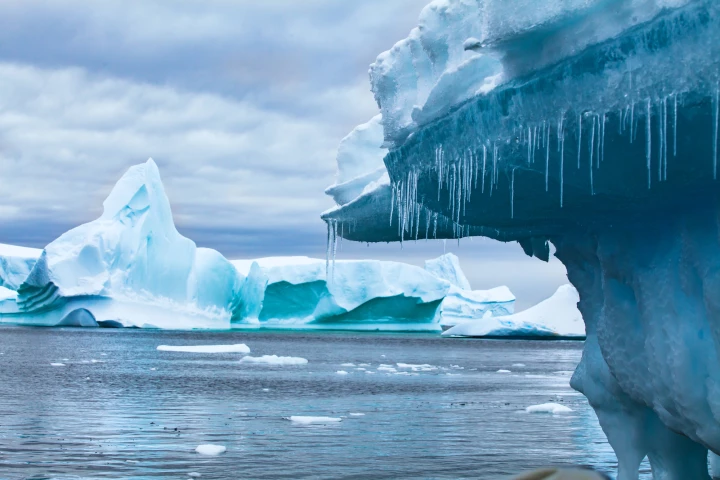 Researchers are using machine learning to analyze satellite radar data to detect icebergs in the Southern Ocean around Antarctica as a way to better understand their life cycle and environmental impact.
 -
 A bright red waterfall isn’t something you’d expect to see on the icy landscape of Antarctica, but that’s what’s pouring out from the foot of Taylor Glacier. Scientists now claim to have solved the mystery behind the crimson waters of Blood Falls.
 -
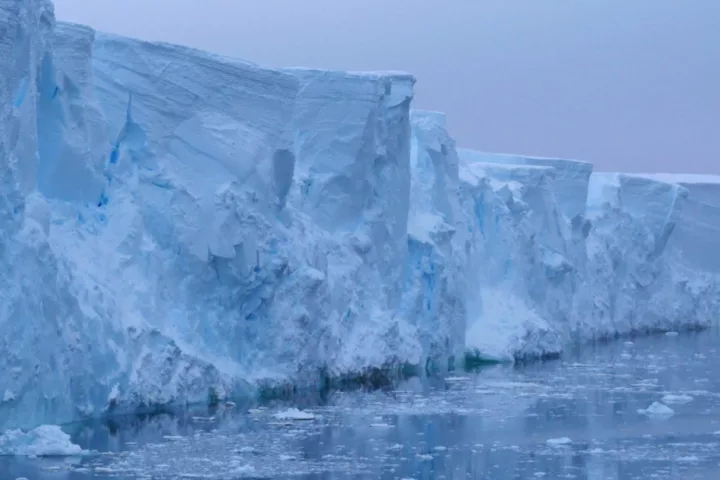 Based on a 25-year record of the Western Antarctic Ice Sheet, a team of scientists led by the British Antarctic Survey (BAS) have shown that changes in snowfall over Antarctica can have significant short-term effects on global sea level rises.
 -
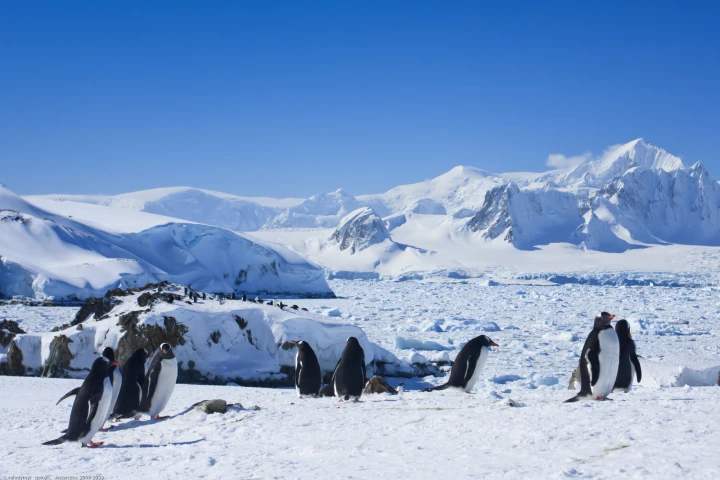 Among the many mechanisms shaping the Antarctic ice sheet are the processes playing out in its lower layers, and a newly discovered sub-glacial river suggests it may drain away faster than we thought.
 -
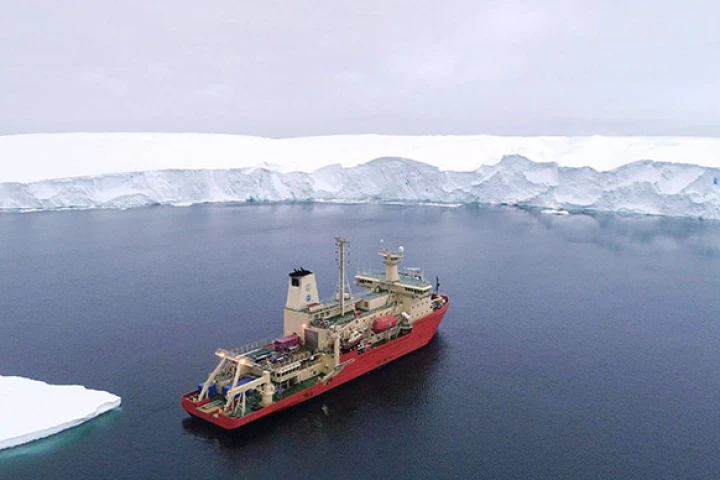 Scientists have deployed an advanced robotic submarine to gain a new perspective on the Thwaites Glacier in West Antarctica, with the groundbreaking seafloor imagery highlighting its precarious state in concerning new detail.
 -
 One of the best ways to analyze Earth's past climate is with samples drilled from deep ice cores. Now, scientists have dated what may be the world’s oldest ice core, with some sections potentially preserving samples as old as 5 million years.
Load More