
Animals
-
 The earliest ancestors of all backboned animals, including humans, may have viewed the world with four eyes, not just two, according to a new study. The remnants of those extra eyes persist deep in the human brain today as the pineal organ.
 -
 For more than a century, biologists assumed that the bony plates found in the skin of lizards – nature's chain mail – were an ancient feature that some lineages inherited and others later lost. But new evidence suggests this is entirely wrong.
 -
 Spelling F-O-O-D or O-U-T might only get you so far around your dog if he or she is considered a Gifted Word Learner. Researchers have just figured out that even when you're not talking to them directly, they're still acquiring new terms.
 -
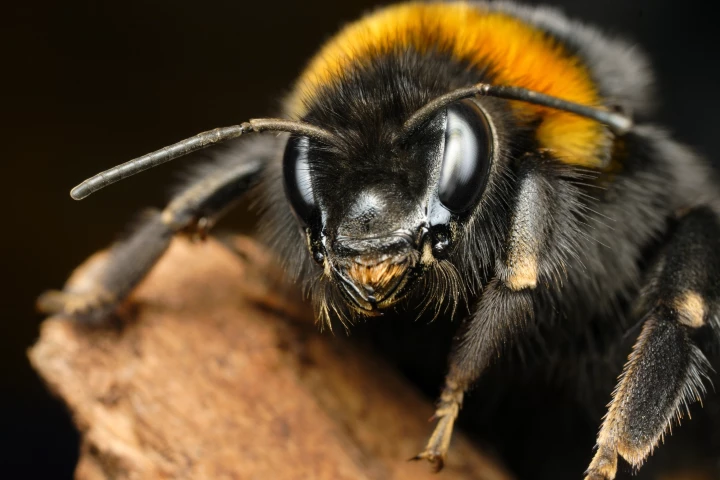 In a groundbreaking new study, scientists took a closer look at how bumble bees respond to positive experiences inside the nest. They found positive attitudes are quite literally contagious, spreading between bees within seconds.
 -
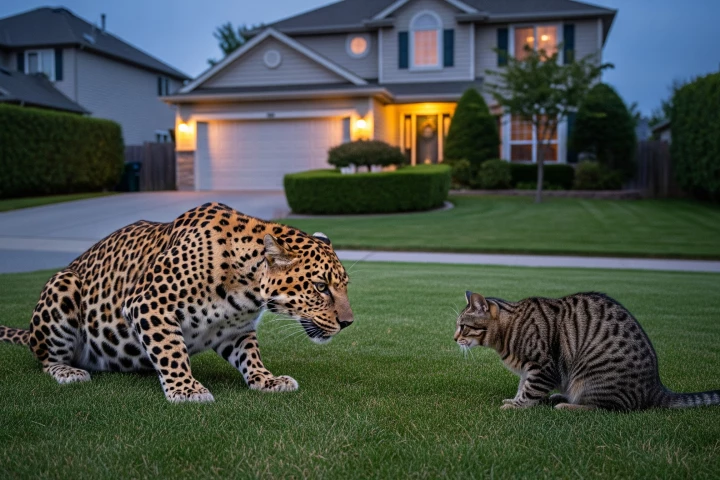 In recent months, AI-generated wildlife clips have flooded social media, merging real animal behavior with playful fabrications but scientists warn that these digital deepfakes can distort people’s sense of what the natural world looks like.
 -
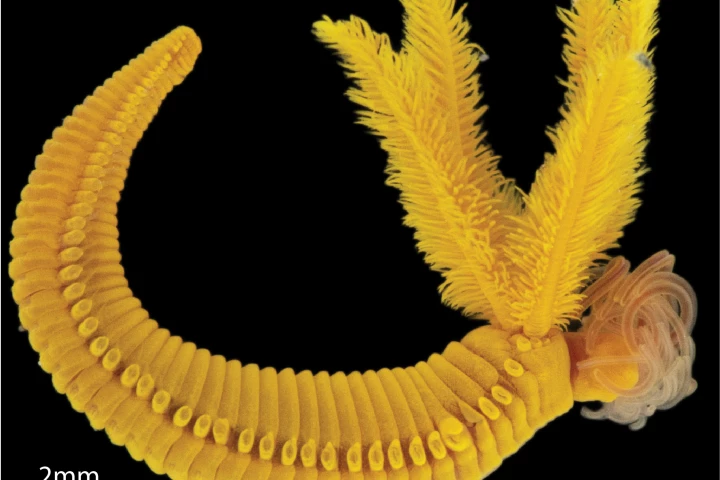 At the bottom of the ocean, where metal-rich hydrothermal vents exhale poison, a bright yellow worm has mastered an impossible art: turning lethal elements into armor. Meet Paralvinella hessleri, the deep-sea super-worm that turns arsenic into crystal.
 -
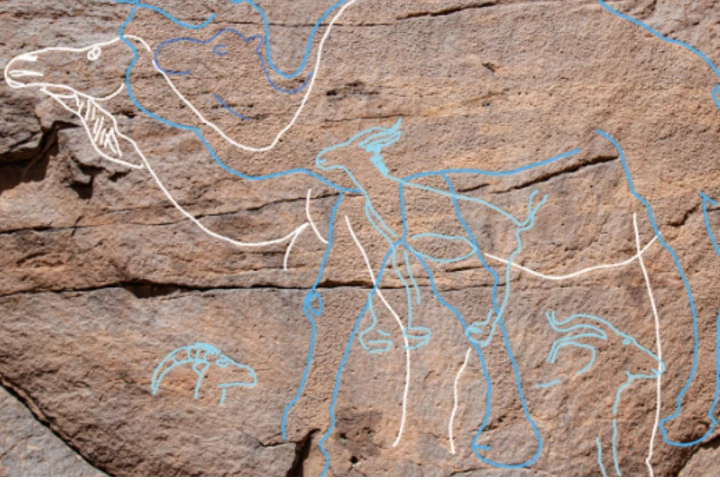 Large rock-face murals scattered across the desert represent one of the most ambitious – and perilous – creative feats of ancient humans, with researchers arguing the massive carvings acted as visual beacons, guiding people to crucial water sources.
 -
 Everybody knows that dogs can learn to associate spoken words with objects that look a certain way. A new study, however, shows that some gifted dogs can also match given spoken words to dissimilar-looking objects that perform certain functions.
 -
 Forget flowers and chocolate – in the spider world, courtship survival is the ultimate gift. Scientists have discovered a new genus of tarantula and its defining feature is a supersized sperm-delivery arm nearly four times the length of their body plate.
 -
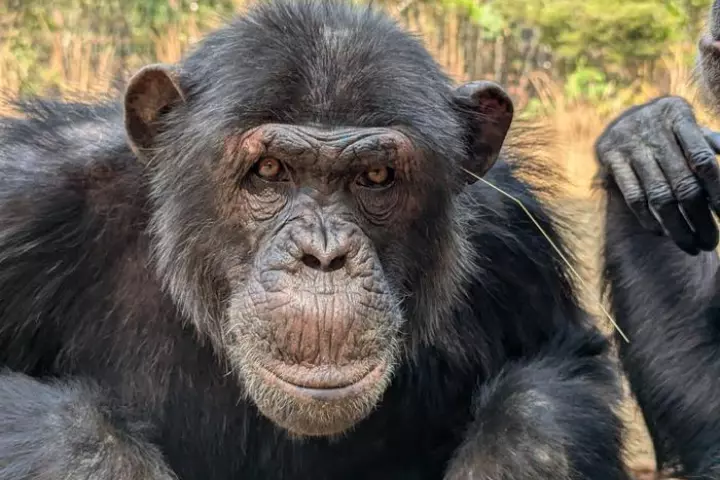 Back in 2010, one bold chimp at a sanctuary in Zambia started a curious trend: she stuck a blade of grass in her ear ... and left it there. No reason. Then more chimps started copying her, and blades of grass appeared in other parts of their body.
 -
 Why do elephants, one of the biggest animals on the planet, paradoxically experience unusually low rates of cancer? The question has led scientists to discover these remarkable mammals carry unique genetic variants that reduce their risk of tumors.
 -
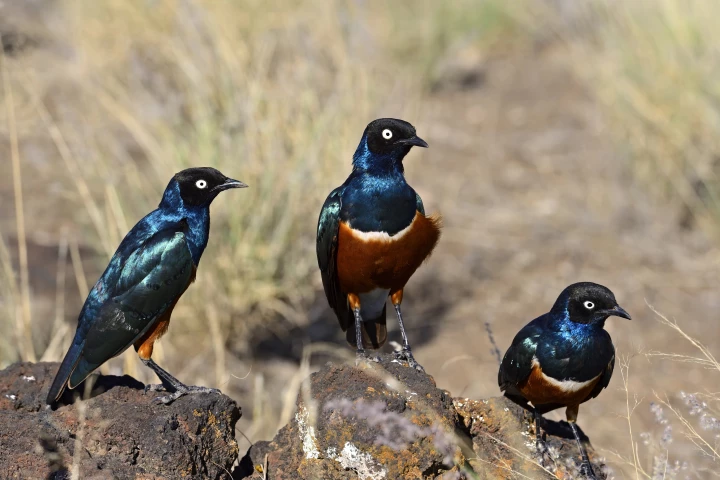 A new study with 20-years of field data has discovered that the African superb starling forms mixed-kin groups with up to 60 members. These findings offer some of the first direct evidence of human-like friendship behavior in animals.
Load More