
Agri-waste
-
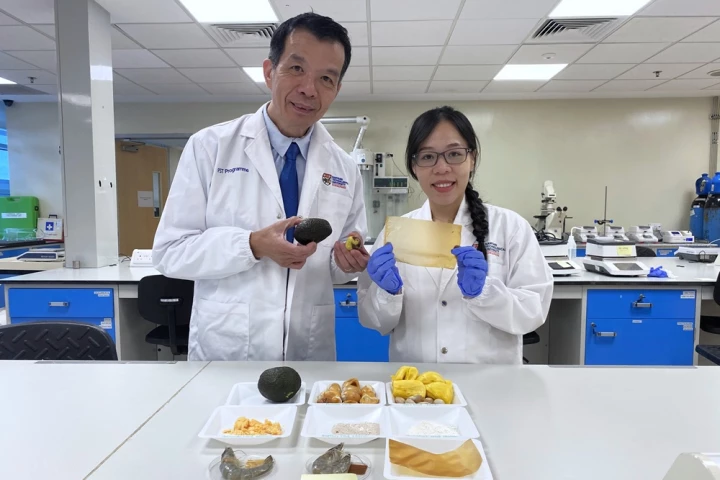 Most food-wrap films just act as a barrier to bacteria, but don't actually kill the microbes. An experimental new film does exactly that, plus it changes color to show when food is spoiled. And what's more, it's made from avocado seeds.
 -
 After sugarcane crops have been harvested, a great deal of waste known as bagasse is left over. That substance has been incorporated into an eco-friendly building material called Sugarcrete, which recently won an international Climate Positive Award.
 -
 Although various uses for post-harvest rice husk waste are being explored, the stuff is still usually incinerated, dumped in landfills, or composted. Soon, however, rice husks may be combined with discarded newspapers to form eco-friendly insulation.
 -
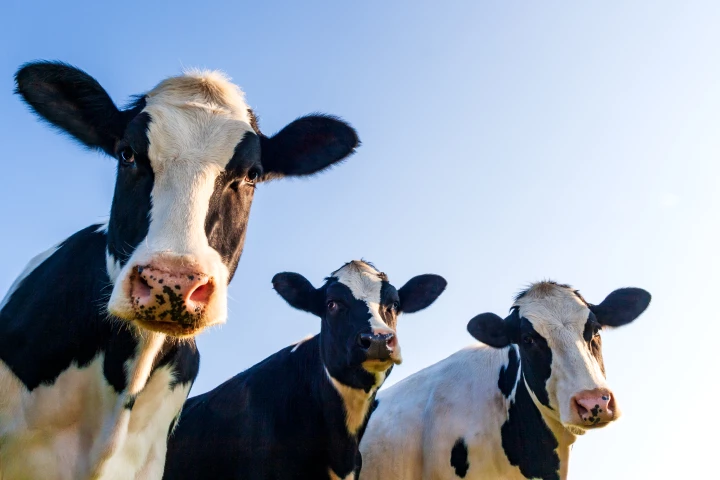 Move over, cow burps. A team of scientists has shifted gears from the front to the back end of these methane-production powerhouses, using algae to curb gas emanating from their poop. It's a crap gig, but nature's best methane inhibitor is on the job.
 -
 Farmers around the world regularly burn post-harvest crop waste, producing a significant amount of greenhouse gases and air pollution in the process. A new portable system, however, can be brought to farms to convert that waste into useful products.
 -
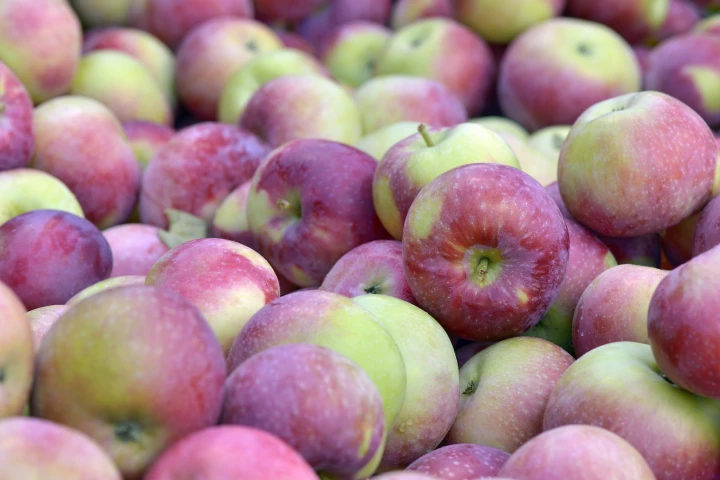 In the commercial production of apple juice and cider, large quantities of fibrous waste – known as pomace – is generated as a byproduct. And while that material is currently just discarded, new research suggests that it could be used to boost the health of chickens.
 -
 Two years ago, we heard about an absorbant hydrogel made from pineapple leaves. Some of the scientists who developed that gel are now saying that the leaves could also be used to absorb fats from recently consumed foods in our digestive system.
 -
 While all non-recyclable plastics aren't very eco-friendly, expanded polystyrene foam is particularly problematic, as it's bulky and often used in disposable packaging. It could be replaced by a new biodegradable material, however, made from sawdust.
 -
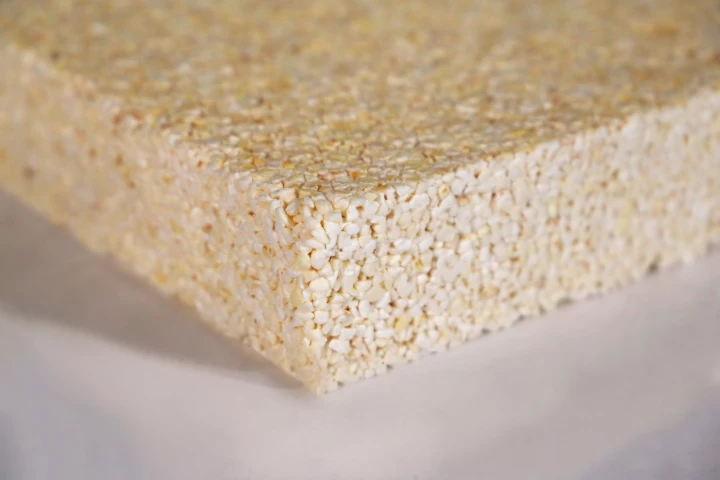 Expanded polystyrene (EPS) foam is a problematic material, in that it's cheap and lightweight but also non-biodegradable and difficult to recycle. German scientists have developed a possible alternative, though – foam made out of popcorn.
 -
 Pineapple skin waste typically ends up being composted or dumped in landfills. According to new research, however, a feed additive made from powdered skins has been shown to help farmed tilapia avoid infections, plus it boosts their growth.
 -
 Restoring post-agricultural land to tropical forest can be challenging, as the pasture grasses tend to choke out the native trees. A new study, however, indicates that waste from the coffee industry gives those trees a fighting chance.
 -
 Scientists at Berkeley Lab have developed a sort of “solar umbrella” which could radically reduce the amount of land needed for industrial evaporation ponds.
Load More