
3D Printing
-
 Commercial spaceflight is booming and looks to go into full-on kaboom stage in the near future, sparking the need for an ever-increasing supply of solar panels. To fill this need, Dcubed is developing its ARAQYS system to manufacture arrays in orbit.
 -
 In a major breakthrough in human tissue replication, for the first time ever a 3D-printed cornea has been transplanted onto a legally blind patient's eye, successfully restoring their sight.
 -
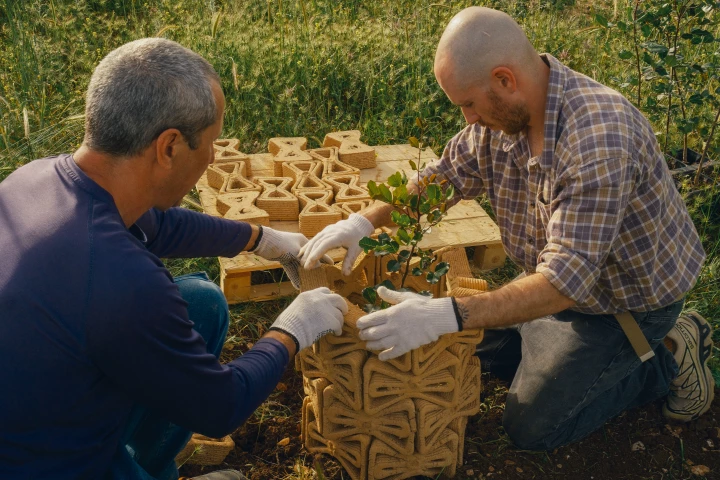 A new project called TreeSoil is reimagining how architecture can support vulnerable environments. It proposes a small but radical idea: build structures not for people, but to protect saplings struggling to survive in degraded landscapes.
 -
 Researchers have developed a 3D-printable electrode that looks like a single strand of human hair and measures brain activity more reliably than the current method used to diagnose things like epilepsy and sleep disorders.
 -
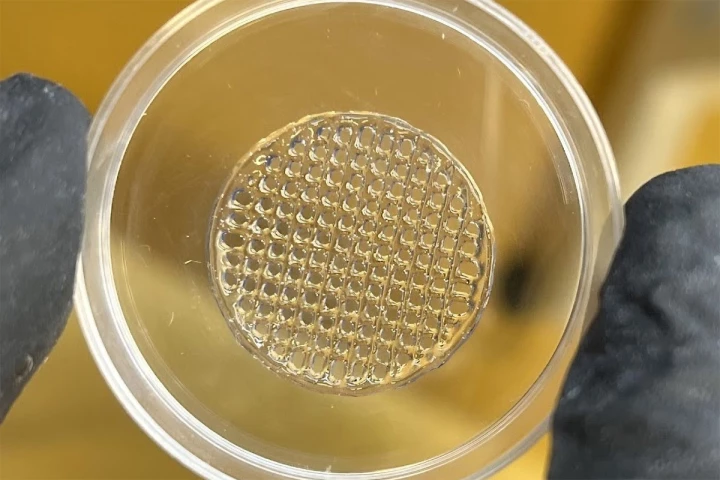 While we're making progress in phasing out animal testing in the cosmetics industry around the world, there's still a ways to go in developing reliable alternatives. 3D-printed 'imitation skin' could be the ticket.
 -
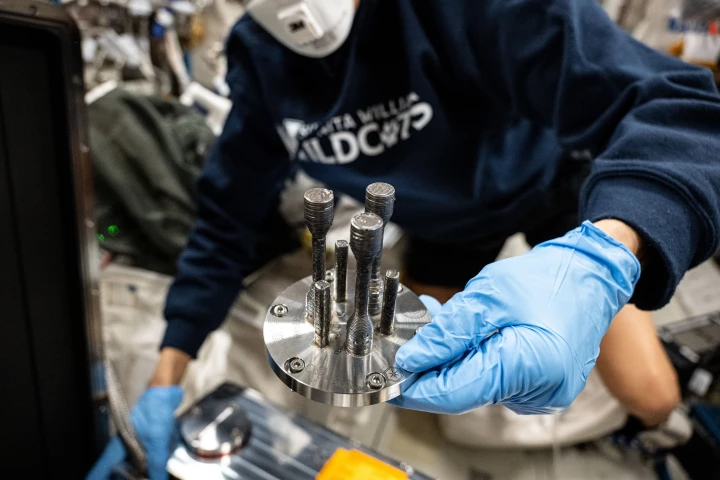 In an experiment that sounds about as safe as bobbing for fries, ESA carried out the first-ever 3D metal printing in space aboard the International Space Station (ISS). Built with Airbus, the Metal 3D Printer completed the first of four test shapes.
 -
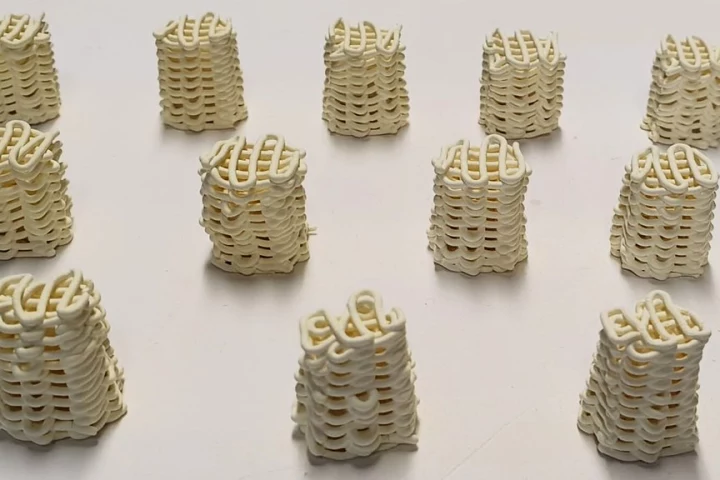 Scientists have developed a new method for removing toxic “forever chemicals” from wastewater. 3D-printed ceramic lattices can remove up to 75% of PFAS from polluted water in three hours – and the structures get better at their job as they’re reused.
 -
 There may be new hope for people suffering from debilitating, slow-healing rotator cuff injuries. Chinese scientists have created an implantable 3D-printed material that both restores shoulder motion and boosts the regrowth of torn tendons.
 -
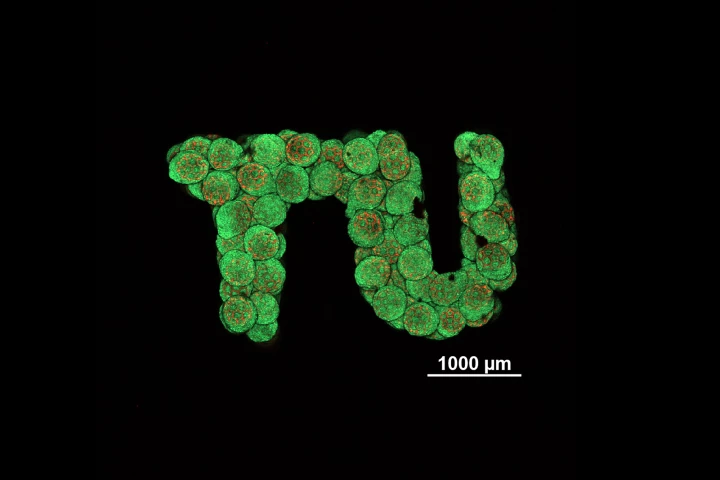 Researchers at TU Wien have developed a new way to grow cartilage from stem cells and guide it into basically any shape required. The breakthrough could lead to better ways to patch up injuries.
 -
 Researchers have used a novel technique to 3D print brain tissue whose cells developed into functional neurons that communicated with each other in a matter of weeks. The approach could be used to study the healthy and unhealthy brain or test drugs.
 -
 Among the cargo that just blasted off from Cape Canaveral, Florida, bound for the ISS were two firsts: the world’s first metal 3D printer designed especially for use in orbit and the first miniaturized surgical robot to be sent to the station.
 -
 Australian scientists have created the world’s smallest moustache, tiny enough to be modeled by a single red blood cell. Measuring just 5 microns wide, the micro-mo was designed to raise awareness for men’s health.
Load More