
3-D+Printing
-
 Australian scientists have created the world’s smallest moustache, tiny enough to be modeled by a single red blood cell. Measuring just 5 microns wide, the micro-mo was designed to raise awareness for men’s health.
 -
 There may soon be new hope for patients born with genetic defects that leave them with misshapen or missing ears. A new human clinical trial will test an implant known as an AuriNovo, which uses a 3D-bioprinted ear grown from the patient’s own cells.
 -
 The James Dyson Award is an international competition to encourage students to get creative to solve the world's pressing problems. The national finalists have been announced for 2021, showcasing ideas that help people and the environment.
 -
 Eardrum perforations are painful, impair hearing and are tricky to repair. The PhonoGraft, developed at Harvard, is a 3D-printed implant that can patch up damage by encouraging natural cells to regrow, and now it’s ready for commercial production.
 -
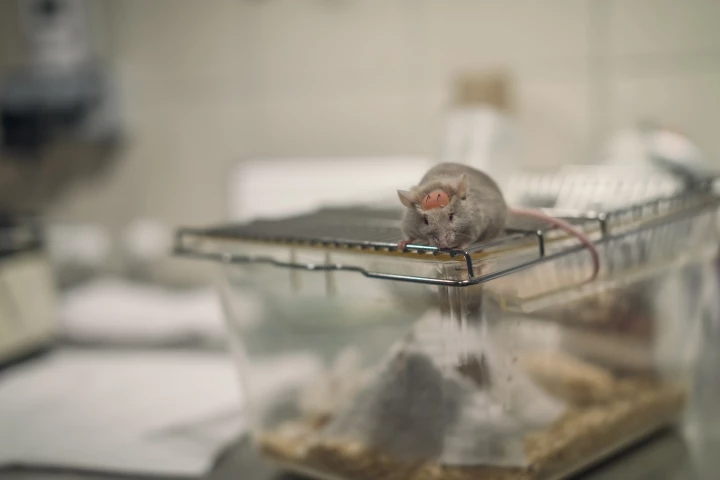 Scientists have developed a new way to patch up injuries by 3D printing both hard and soft tissues at the same time, using two different “bioinks.” In tests on rats, the team was able to repair holes in the skulls and skin of the rodents in minutes.
 -
 Human knees are notoriously vulnerable to injury or wearing out with age, often culminating in the need for surgery. Now researchers have created new hybrid bioinks that can be used to 3D print structures to replace damaged cartilage in the knee.
 -
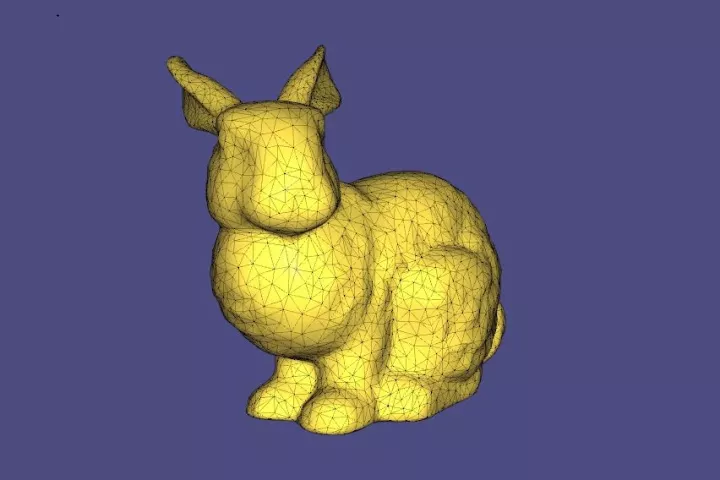 Researchers from ETH Zurich have created 3D rabbit models embedded with synthetic DNA that contained their own blueprints. That allows them to effectively "clone" the models, printing copies by clipping small pieces off the original.
 -
 Open Bionics, with support from Disney Accelerator, transforms prostheses that kids would rather hide into those that Iron Man or Frozen's Elsa would wear. The company says that for kids it transforms being different into being cool.